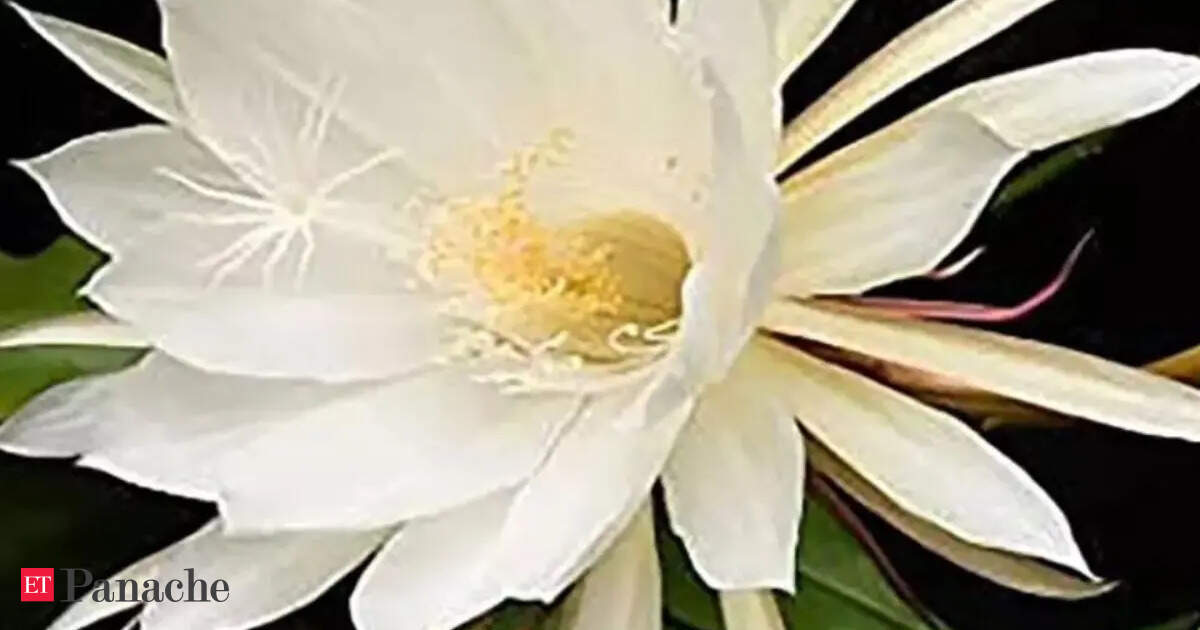
The Himalayan Rarity: Why the 'King of Flowers' Bloom Window Commands Market Attention

The rare Brahma Kamal bloom, occurring only from July to September in Uttarakhand, highlights a critical, time-sensitive seasonal event in the Himalayan alpine ecosystem.
A Rare Seasonal Opportunity
In the high-altitude terrain of the Himalayas, nature operates on a strictly disciplined schedule. For those tracking the niche ecosystem of Uttarakhand, the period between July and September marks the singular annual window for one of the region’s most elusive botanical phenomena: the blooming of the Brahma Kamal, or Saussurea obvallata.
Often referred to as the 'King of Himalayan Flowers' or the 'Snow Lotus,' this plant is not merely a botanical curiosity; it is a testament to survival in extreme conditions. Thriving in the harsh, high-altitude alpine zones of the Himalayas, the Brahma Kamal possesses a life cycle that is as brief as it is spectacular. For observers, researchers, and sustainable tourism stakeholders, the July-September window is a binary event—one either captures it during this three-month cycle, or waits an entire solar year for the next opportunity.
The Geography of the Bloom
The rarity of the Brahma Kamal is dictated by the specific microclimates found at altitudes typically ranging from 3,500 to 4,800 meters. This year, the monsoon season has set the stage for a concentrated blooming period across five primary locations in Uttarakhand:
- Valley of Flowers: A UNESCO World Heritage site known for its endemic alpine flora.
- Kedarnath: The high-altitude temple complex that provides a rugged backdrop to the bloom.
- Hemkund Sahib: A glacial lake site that demands significant physical endurance to reach.
- Roopkund Trek: Known for its 'mystery lake,' this trail offers some of the most isolated viewing opportunities.
- Nanda Devi Biosphere Reserve: A core protected area that provides the most pristine environment for the flower's natural propagation.
Why Timing Matters
For the hospitality and regional tourism sectors, the seasonality of the Brahma Kamal represents a critical revenue driver. Because the plant blooms only once annually, the demand for access to these five specific sites spikes significantly during the monsoon months. This creates a supply-demand imbalance in local logistics, transport, and lodging, as the window of availability is strictly capped by the biological clock of the plant.
From a broader analytical perspective, the Brahma Kamal serves as an indicator species. Its health and blooming patterns provide essential data on the stability of the Himalayan alpine environment. As climate patterns shift, the reliability of this July-September window becomes a focal point for environmental impact studies, which in turn influence regional land-use policies and conservation mandates.
Looking Ahead
For those monitoring the Himalayan region, the next 90 days are the critical period of observation. Once the temperatures begin to drop and the post-monsoon chill sets in, the window closes. Traders and investors focusing on the Indian travel and hospitality sector should remain cognizant of how these short-term, high-intensity seasonal events impact local economic activity. As we move through the heart of the monsoon, the focus remains on the Valley of Flowers and the Nanda Devi region, where the concentration of these blooms is expected to be at its peak.