Macro● Neutral
Trump Naval Blockade Threat Targets 20% of Global Oil Supply
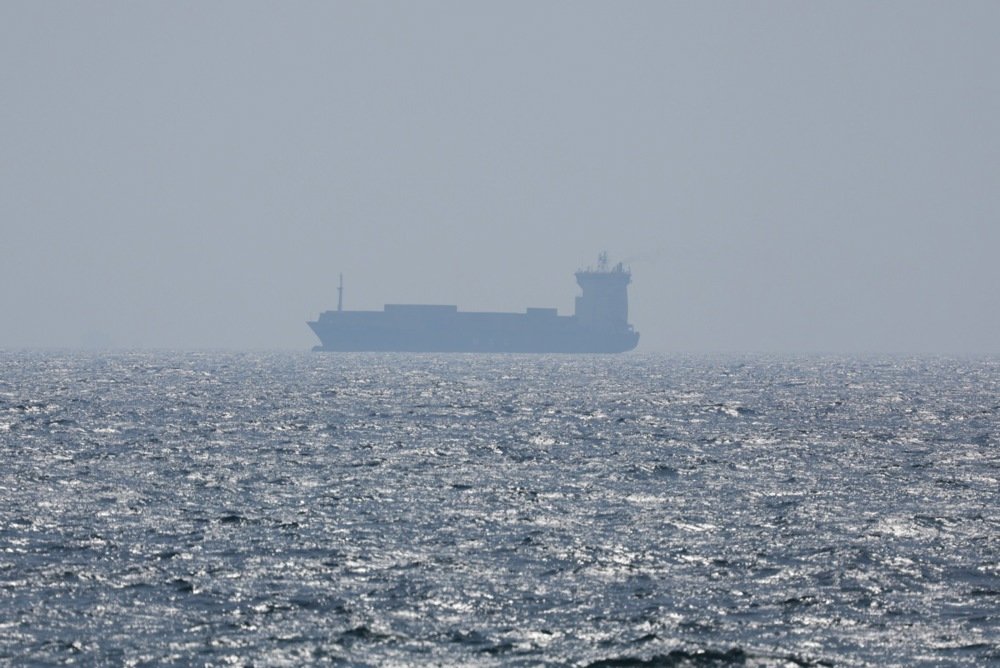
A potential closure of the Strait of Hormuz signals a massive supply-side shock for CL. Watch for safe-haven moves in XAU/USD and DXY as war premiums rise.
Continue with
A Sudden Pivot in Persian Gulf Strategy
Financial markets are bracing for heightened volatility in the energy sector following a sharp escalation in rhetoric from President Donald Trump. In a recent statement, the President announced that the United States Navy would be tasked with blocking the Strait of Hormuz—the world’s most critical maritime chokepoint for oil transport—effectively cutting off Iranian shipping lanes. This development comes on the heels of failed peace negotiations, signaling a potential breakdown in diplomatic efforts to contain regional tensions.
The Strait of Hormuz serves as a vital artery for global energy markets, with approximately 20% of the world’s total oil consumption passing through the narrow passage daily. Any attempt to restrict or close this channel would represent a massive supply-side shock that traders have long feared as a “black swan” scenario for crude oil pricing.
The Strategic Importance of the Strait
To understand the gravity of this announcement, one must look at the sheer volume of transit. The Strait connects the Persian Gulf to the Gulf of Oman and the Arabian Sea. For major producers in the Middle East, including Saudi Arabia, the UAE, Kuwait, and Iraq, the Strait is the primary conduit for exports destined for Asian, European, and North American markets.
Historically, market participants have viewed the Strait of Hormuz as a primary “risk premium” driver. Even minor reports of skirmishes or naval posturing in the region have traditionally triggered immediate spikes in the price of Brent and WTI crude. A formal naval blockade, as suggested by the President, would move beyond mere posturing and into the realm of active economic warfare, likely forcing a rapid re-evaluation of global energy security premiums.