Macro● Neutral
Trump Threatens 50% Tariffs on China Over Iran Arms Transfers
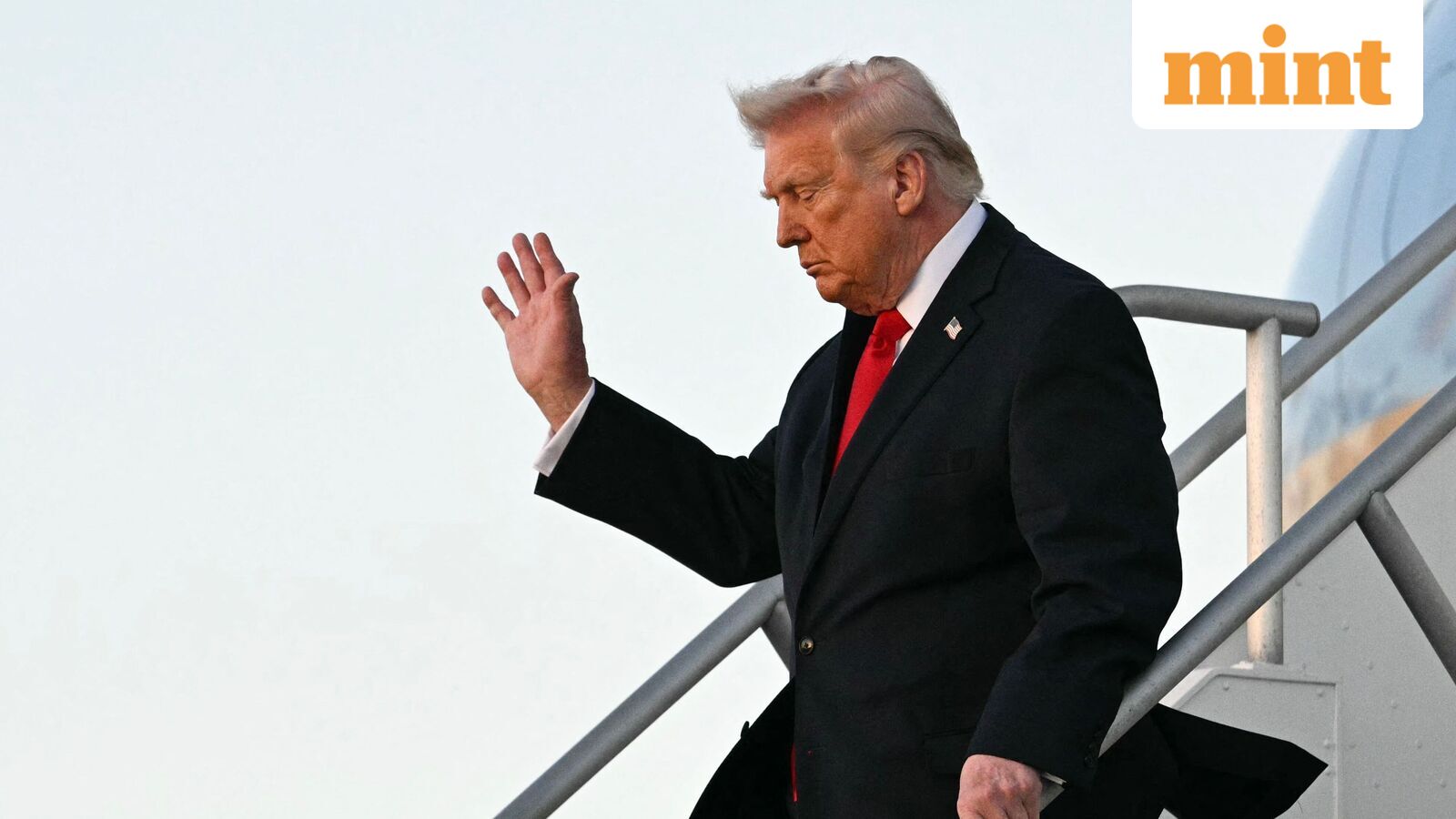
A 50% tariff on Chinese imports could trigger massive SPX volatility and inflationary pressure. Watch for Beijing’s response to gauge global trade risks.
Continue with
Escalating Geopolitical Tensions
In a stark escalation of trade rhetoric, former President Donald Trump issued a stern warning on Sunday targeting Beijing, threatening to impose a 50% tariff on all Chinese imports should the nation proceed with alleged plans to supply military hardware to Iran. This pronouncement marks a significant hardening of the U.S. stance regarding the intersection of international trade policy and global security alliances.
Trump’s declaration specifically addressed reports suggesting that Beijing is positioning itself to facilitate weapons transfers to Tehran. By tying direct economic consequences to specific geopolitical actions, Trump has signaled that a return to his administration would likely involve a more aggressive use of trade policy as a lever of foreign policy, moving beyond traditional diplomatic constraints.
Broadening the Economic Scope
While the primary focus of the threat was China, the former President’s rhetoric was notably expansive. Trump stated that the 50% tariff policy would not be limited to Beijing alone; rather, he suggested that any nation found to be supplying weapons to the Iranian government would face an immediate and punitive 50% tariff on goods entering the United States. This "blanket" approach to sanctioning potential arms suppliers represents a zero-tolerance policy that could fundamentally reshape global supply chains if enacted.
This threat comes at a time when the global trade environment is already sensitive to protectionist trends. For investors, the prospect of a 50% tariff—a figure far exceeding the rates typically debated in standard trade disputes—introduces a high-volatility variable into forecasting for sectors heavily reliant on international logistics and manufacturing.