Stocks● Neutral
The Hidden Cost of Overpaying for Growth Stocks
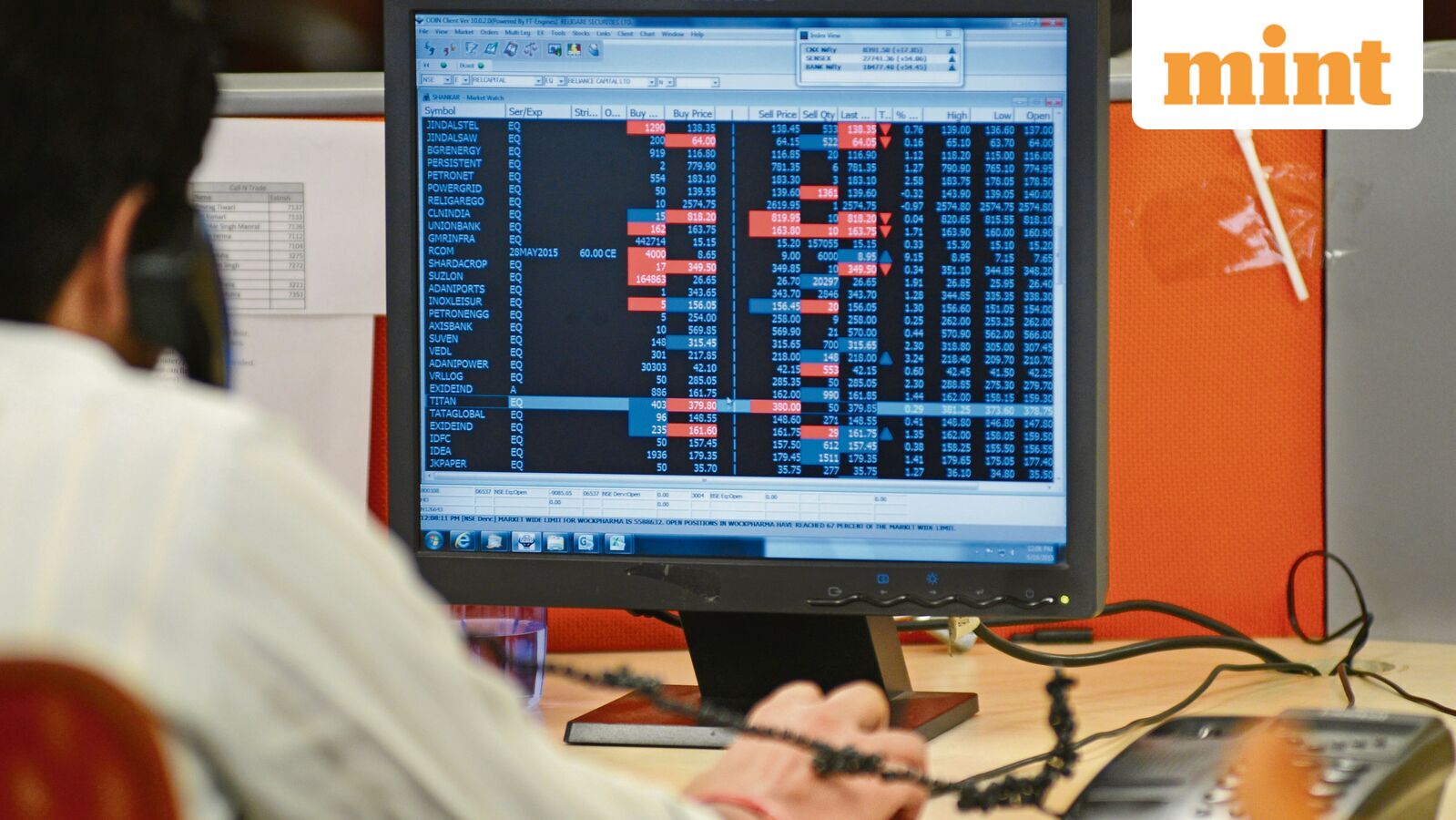
Overpaying for growth stocks feels rational in a scarce market. The real risk is not company performance but how capital is deployed at peak valuations.
Continue with
Chasing returns in a market where opportunities are thinner sounds rational. Every investor believes they can pick the next winner. The problem is that the behavior this setting produces – paying higher prices for the same growth – creates a risk that compounds long after the stock is bought.
Expensive markets with trending valuations make the next decision harder. More investors chase fewer opportunities. That pushes valuations higher still. The real problem is not the availability of opportunities or the investor's ability to spot them. The problem is the anxiety this setting generates.
That anxiety shows up in a predictable sequence. The first symptom is a willingness to overpay for growth. Investors tell themselves that scarce growth deserves a premium. The first set of buyers who pay up are seen as thought leaders. They talk up the theme, push the stock higher, and make the narrative fully discovered. Then more investors follow, bidding prices up further.
With more interest chasing available liquidity, stock valuations soar. Charts look eye-popping. Algo strategies pile in. Liquidity rises, yet still fails to meet demand. At that stage, anxious institutional buyers want more liquidity without incurring impact costs. They do not want to be left out. They are happy to simply participate.
Here the company steps in to provide the liquidity. It raises capital at elevated valuations, using the recent high as a reference point. Shares are sold at a discount to those highs. The excitement continues. Early buyers hold notional gains. Late buyers feel the thrill of participation. Those in between hold onto hope.
This is almost a textbook case of scarcity investing.
What follows is the real story. Once the company has the capital it needs, it goes back to business. It focuses on operations and lets the market wait for results. The market, which has priced the business to near perfection, is still anxious. It expects more from the company in the near term now that capital is in place.