Americans now wait an average of 31 days for a new physician appointment, up 19% since 2022 and the longest stretch since the survey began in 2004, according to AMN Healthcare's latest report. New patients in some specialties face even longer delays: 42 days for an OB/GYN, 40 days for gastroenterology, the survey found.
The Association of American Medical Colleges projects the United States could face a shortage of up to 86,000 physicians by 2036. Demand for care rises with an aging population and more chronic disease. The result: access to timely care is becoming a scarce commodity.
A scene from Netflix's "Beef" captures the tension. A young woman waits hours in a crowded emergency room until her boss offers to use his connections to get her seen faster – in exchange for deleting a video she holds over him. She refuses, but the scene frames what many Americans suspect: knowing the right person can speed up care, but it doesn't guarantee better outcomes. What it does is bypass the system's triage process.
The distinction between favor-based access and systemic navigation matters. Favor-based shortcuts skip the information-gathering that triage provides. One study of emergency department triage found discrepancies in the medication histories nurses recorded for 37% of patients. A separate academic-ED study found 4 in 10 patients had at least one mismatch between their reported drug allergies and what was in the chart. Skipping the queue means skipping the safety net built into that process.
The demand for faster access is driving the growth of concierge medicine. The global market is roughly $22 billion to $25 billion in 2025, growing at close to 10% a year, according to industry estimates. Patients are not paying for longer appointments or better decor. They are paying for same-day visits and faster referrals – in short, for time.
The structural shortage creates an opportunity for technologies that improve access without relying on favors. Artificial intelligence can automate documentation and reduce physician burnout. Digital triage tools can direct patients to the right level of care before emergency departments become overwhelmed. Referral coordination platforms can coordinate referrals and eliminate weeks of delay. These systems do not cure disease. They speed up the delivery of care.
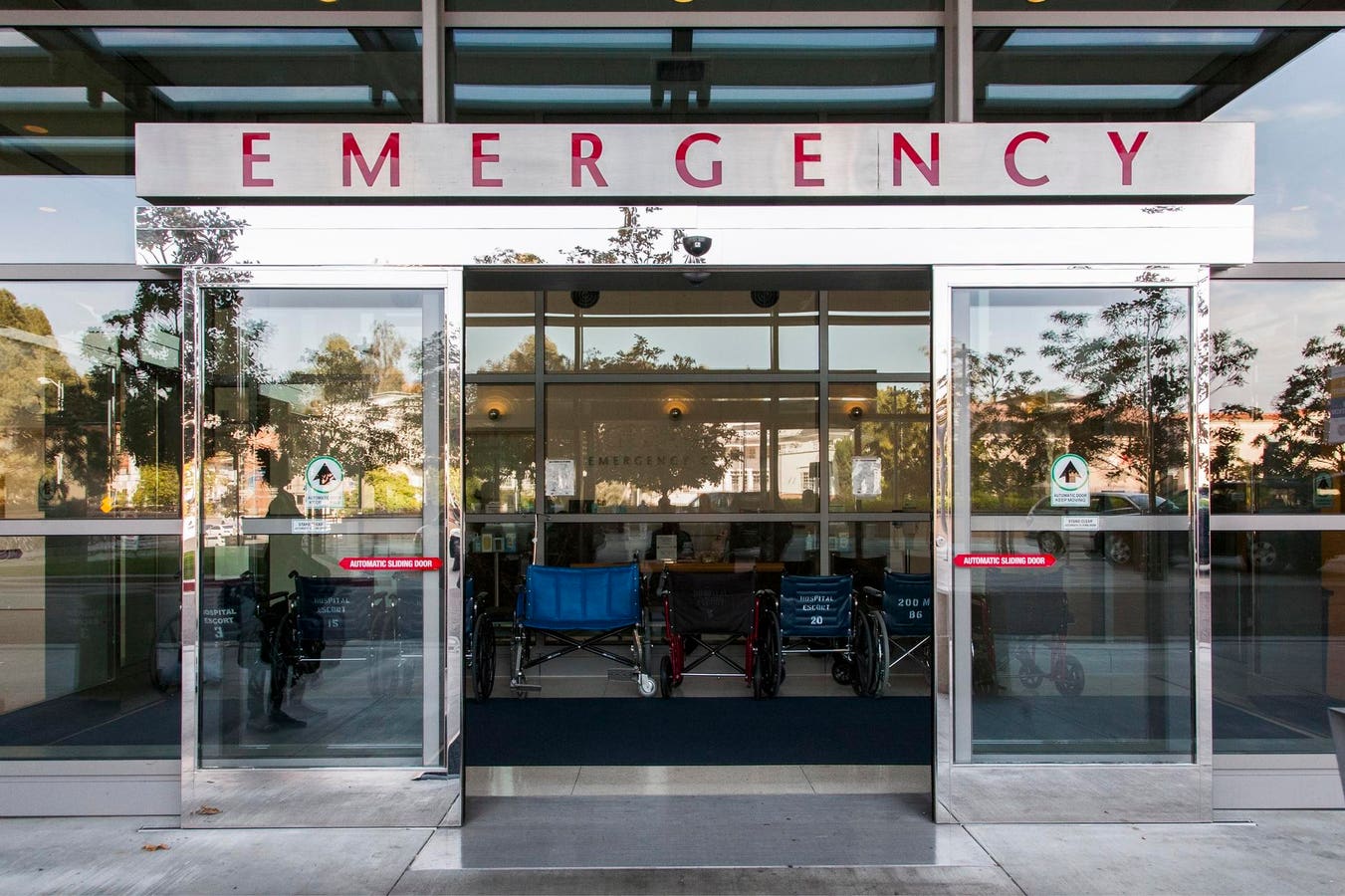
U.S. hospitals recorded 155 million emergency department visits in 2022, the most recent year for which federal data is available. When patients cannot access timely care elsewhere, the emergency department becomes the default front door.