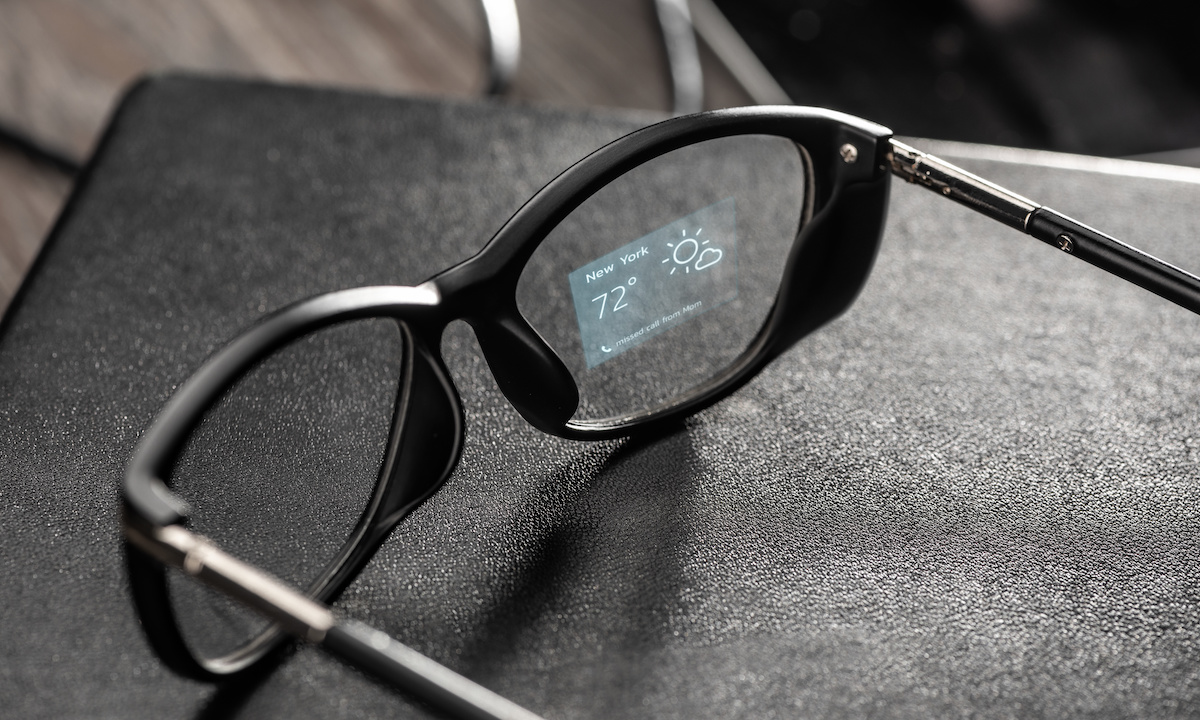
The narrative surrounding augmented reality smart glasses has shifted from a promise of immediate mass-market adoption to a cautious focus on incremental ecosystem development. Despite significant capital expenditure from major technology firms, the consumer appetite for daily-wear smart hardware remains stagnant. The failure to move beyond niche utility suggests that the industry has yet to solve the fundamental friction between high-performance processing and the physical constraints of wearable devices.
The Hardware Constraint and User Utility
Recent product cycles demonstrate that the industry is struggling with a classic hardware-software mismatch. While AI integration has theoretically solved the problem of voice-activated assistance and visual recognition, the physical form factor of current glasses remains a barrier to entry. Users are not yet convinced that the marginal utility of having an AI interface on their face outweighs the social and physical discomfort of wearing heavy, battery-limited frames. The pivot away from bulky headsets toward lighter, glass-like frames has improved aesthetics but has simultaneously forced a reduction in compute power and battery life.
This trade-off creates a ceiling for what these devices can actually perform. If a device cannot run complex local models without tethering to a smartphone or cloud server, the latency issues often negate the benefit of the augmented experience. The current market state is defined by this technical bottleneck, where the software is ready for deployment but the hardware remains tethered to the limitations of current battery density and thermal management.
Ecosystem Integration and Market Positioning
Major players in the communication and technology sectors are attempting to bridge this gap by integrating smart glasses into existing mobile ecosystems. By positioning these devices as accessories to AAPL or META platforms, companies hope to lower the barrier to adoption. The strategy is to move from standalone devices to peripheral hardware that enhances existing workflows, such as navigation or real-time translation.
- Focus on lightweight frame designs to increase daily wearability.
- Integration with existing mobile OS ecosystems to leverage established user bases.
- Prioritization of AI-driven voice and visual feedback over complex visual overlays.
AlphaScala data currently reflects a cautious sentiment across the sector. META holds an Alpha Score of 62/100, while AAPL maintains an Alpha Score of 60/100, reflecting the market's wait-and-see approach to hardware-intensive product launches. The divergence between the high valuation of AI software companies and the stagnant growth of AR hardware suggests that investors are waiting for a clear signal that consumers are willing to integrate these devices into their daily routines.
The Path to Consumer Adoption
The next concrete marker for this sector will be the release of updated guidance on hardware shipment volumes and user retention metrics. If manufacturers cannot demonstrate that users are keeping these devices on their faces for more than a few hours a day, the narrative will likely shift toward a more conservative outlook on the viability of the AR market. The industry is currently in a holding pattern, waiting for a breakthrough in battery efficiency or a killer application that makes the hardware indispensable rather than optional. Until that threshold is met, the sector will likely remain a secondary focus for stock market analysis compared to the more immediate gains seen in cloud-based AI infrastructure.