The structural decline in American charitable participation is no longer a slow-moving trend; it is a systemic shift in consumer behavior that threatens the operational stability of the non-profit sector. Two decades ago, approximately two-thirds of U.S. households contributed to charitable causes. Current data indicates that figure has contracted to roughly half. This erosion of the donor base is not merely a byproduct of economic pressure, though the squeeze on household liquidity is undeniable. It reflects a deeper fragmentation of the social fabric, where the shared experiences that historically anchored civic participation have largely evaporated.
The Mechanism of the Giving 4th Proposal
The proposed "Giving 4th" initiative, timed for the U.S. Semiquincentennial on July 4, 2026, seeks to reverse this trend by creating a mid-year liquidity event for the non-profit sector. Currently, American philanthropy is heavily back-weighted toward the end of the calendar year, a concentration that forces organizations into a cycle of feast-or-famine budgeting. By establishing a high-visibility, nationally broadcast "giveathon," proponents aim to replicate the success of Giving Tuesday, which generated $4 billion in donations in 2025 with 38 million participants.
For the market, the significance lies in the attempt to institutionalize a new behavioral anchor. If successful, this would shift the non-profit funding calendar, allowing organizations to smooth their revenue streams and reduce the operational volatility associated with year-end reliance. The model relies on celebrity-led, multi-generational engagement, effectively attempting to modernize the legacy of the Jerry Lewis telethons that persisted for 45 years until 2010. This is a direct play to capture the attention of a fractured consumer base through a singular, unified national event.
Institutional Alignment and Bipartisan Support
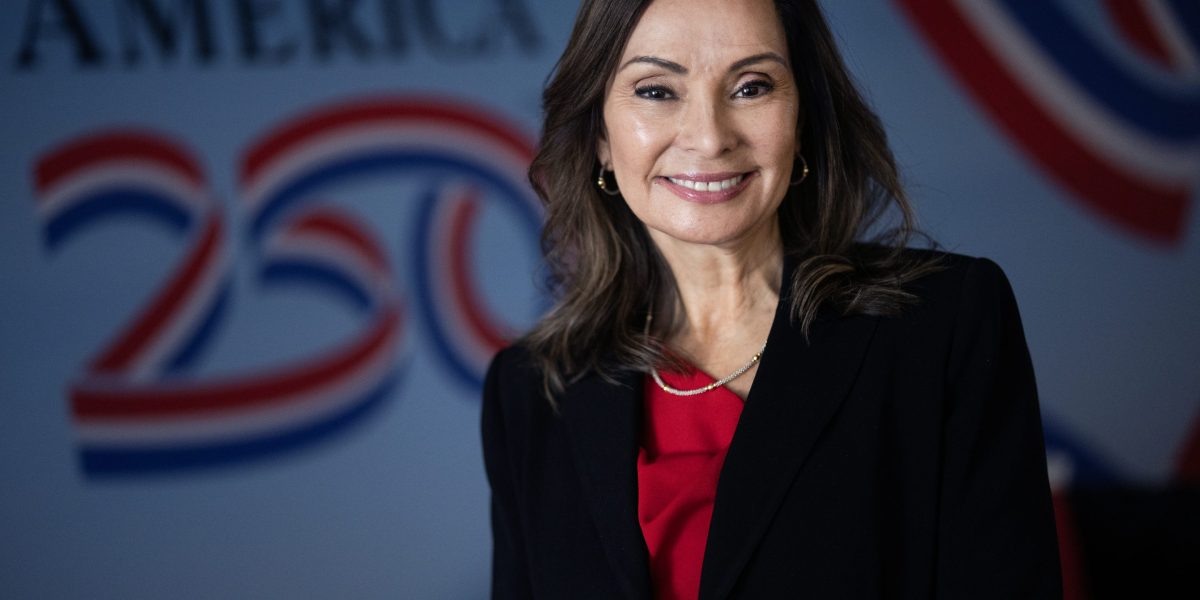
Skepticism regarding the feasibility of a unified national effort in a polarized environment is a standard critique, yet the legislative groundwork suggests a different reality. The bipartisan Congressional America250 Caucus has reached a threshold of more than 400 members, signaling that the 250th anniversary is being treated as a rare point of political convergence. This level of institutional buy-in is a necessary, though not sufficient, condition for a campaign of this scale to gain the required media and corporate sponsorship momentum.
For investors and analysts, the "Giving 4th" initiative represents a potential shock to the system of charitable giving. While the New York Times has reported on a growing backlash to philanthropy among the ultra-wealthy, the "Giving 4th" model targets the broader population, aiming to re-establish the habit of small-dollar donations as a core component of American identity. The success of this initiative would be measured by its ability to convert the current "America Gives" volunteer service momentum into sustained financial capital.
Sectoral Read-Through and Market Implications
The broader implications for the non-profit sector and the companies that support their infrastructure—ranging from payment processors to donor management software providers—are significant. A successful "Giving 4th" would create a predictable, high-volume transaction day that could serve as a stress test for digital donation platforms.
| Metric | Historical Context | 2026 Target Goal |
|---|
| Household Participation | ~50% | >50% |
| Annual Giving Volume | Concentrated (Q4) | Distributed (Q3/Q4) |
| Civic Participation | Declining | Rebound |
As the market evaluates the resilience of the non-profit sector, the focus remains on whether this initiative can bridge the structural gap left by the decline in traditional giving. For those monitoring the stock market analysis of companies involved in the philanthropic ecosystem, the transition from a passive, year-end donation model to a proactive, mid-year event represents a shift in how capital is allocated across the social sector.
Welltower Inc. (WELL stock page) and New York Times Co. (NYT stock page) represent different facets of the broader economic and media landscape; while WELL holds an Alpha Score of 53/100 and NYT holds an Alpha Score of 51/100, both operate within environments where shifting consumer sentiment and civic engagement play a role in long-term valuation. The "Giving 4th" initiative is a test of whether a manufactured "shock to the system" can effectively reset the baseline for American generosity. If it fails to gain traction, the non-profit sector will likely continue its struggle to diversify revenue away from year-end volatility, leaving them increasingly vulnerable to macroeconomic downturns.