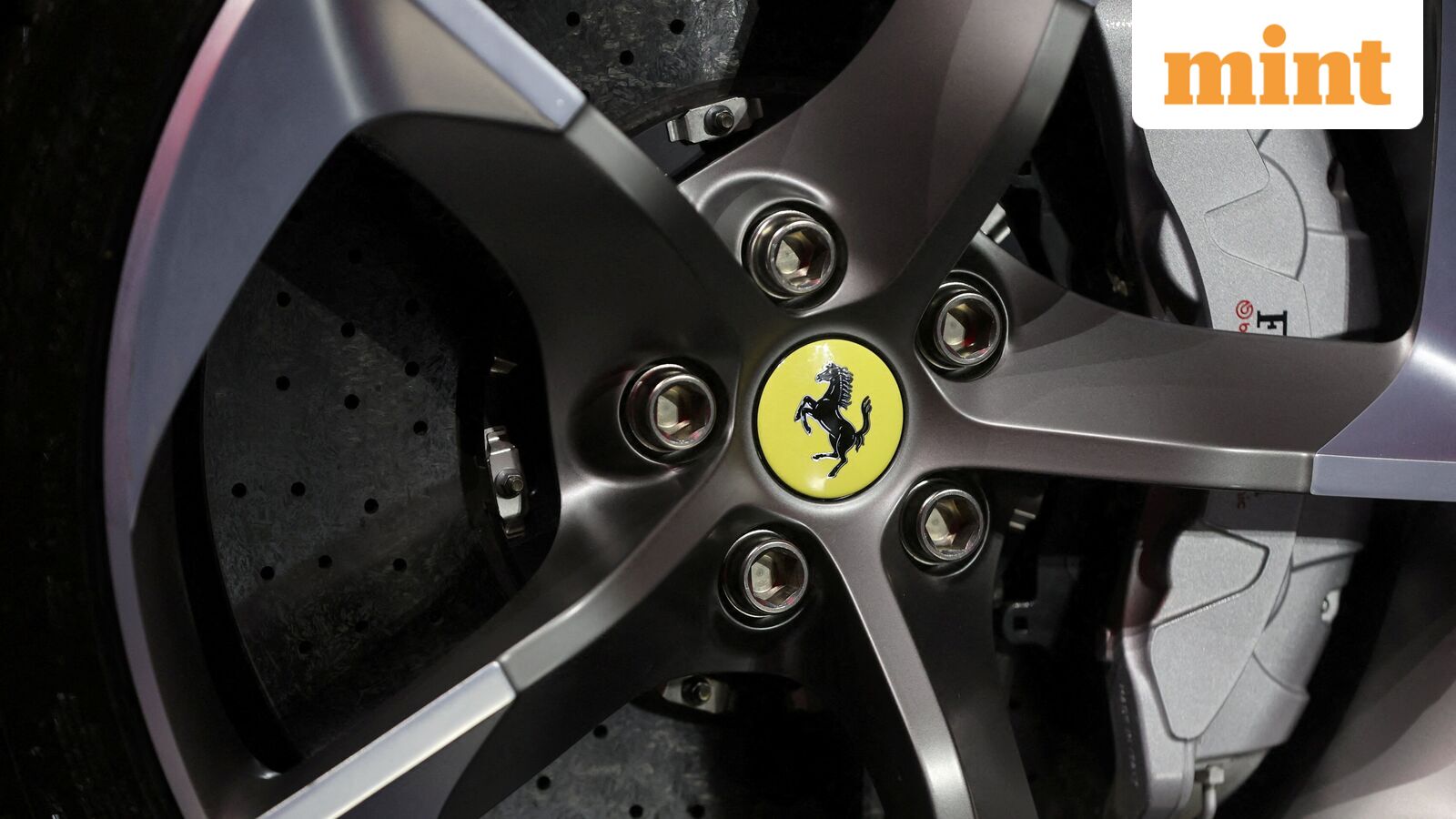
Dhirendra Kumar, writing in Mint, recalled a recent podcast in which software entrepreneur David Heinemeier Hansson argued that anyone who builds something worthwhile carries a moral obligation to spend some of the fortune on beautiful things. “Send some of that fortune to Italy and have its craftsmen build you a Ferrari,” Hansson said. The world would be poorer without luxury goods, even for those who only ever admire them from the roadside.
Kumar noted that Hansson runs a profitable, independent software business that has refused VC hypergrowth and IPOs for two decades. The Ferraris arrived on top of that refusal. The car is the last scene of a long story of patience and restraint, not the first.
The parallel for Ferrari N.V. (RACE) investors is direct. Ferrari sells low-volume, high-price machines to customers who have typically built wealth over many years. The brand’s premium valuation – more than 40 times earnings – is priced for that narrative. A buyer who reaches for the stock before understanding the underlying discipline makes the same mistake as the young man Kumar once advised: spending before the work is done.
Kumar contrasted Hansson with a young professional who wanted a ₹2.5 lakh motorcycle at age 23. Standard advice said wait, invest the difference, let compounding work. Kumar argued the opposite. The joy of owning that motorcycle at 23, with the open roads of that age, could not be captured by arithmetic. The young man could afford a modest joy and should not defer it. The Ferrari owner, by contrast, had earned the indulgence after two decades of running a deliberate, un-Ferrari business.
The same distinction applies to Ferrari’s customer base. The company’s average buyer is a multimillionaire, often from self-made wealth. Ferrari’s business model – limited annual production, long waiting lists, personalization options – turns each sale into a delayed reward. The company’s pricing power rests on that earned exclusivity. A customer who orders a Ferrari today waits 18 to 24 months for delivery. The discipline required to wait mirrors the discipline required to build the wealth that pays for it.
Ferrari’s Alpha Score sits at 46 out of 100, with a Mixed label, reflecting a stock that is neither a screaming buy nor a clear sell. The score captures the tension between the brand’s structural moat and the premium that investors already pay for it. The company delivers high single-digit revenue growth and operating margins above 25%. That performance is built on decades of engineering and brand-building – the invisible “un-Ferrari” years, in Kumar’s framing.
The read-through for the luxury auto sector is simple. Brands like Ferrari trade on the idea that the customer has earned the indulgence. Any macroeconomic signal that threatens wealth creation – a prolonged bear market, a recession that hits self-made fortunes – would weaken the basis for that premium. The sector is cyclical precisely because the “work before reward” chain can break when the work gets harder.
Kumar ended his column with a warning that applies as well to stocks as to car purchases. “Buy the Ferrari, by all means, on the day you become the person who has earned it. Until then, it’s fine to admire one zooming past, and getting on with the un-Ferrari years that are the real work.” Ferrari’s stock premium rewards patience, not impulse. The investors who treat it as a prize bought before the work is done, rather than a reward after it, are likely to find the V12 less thrilling than the price tag suggested.