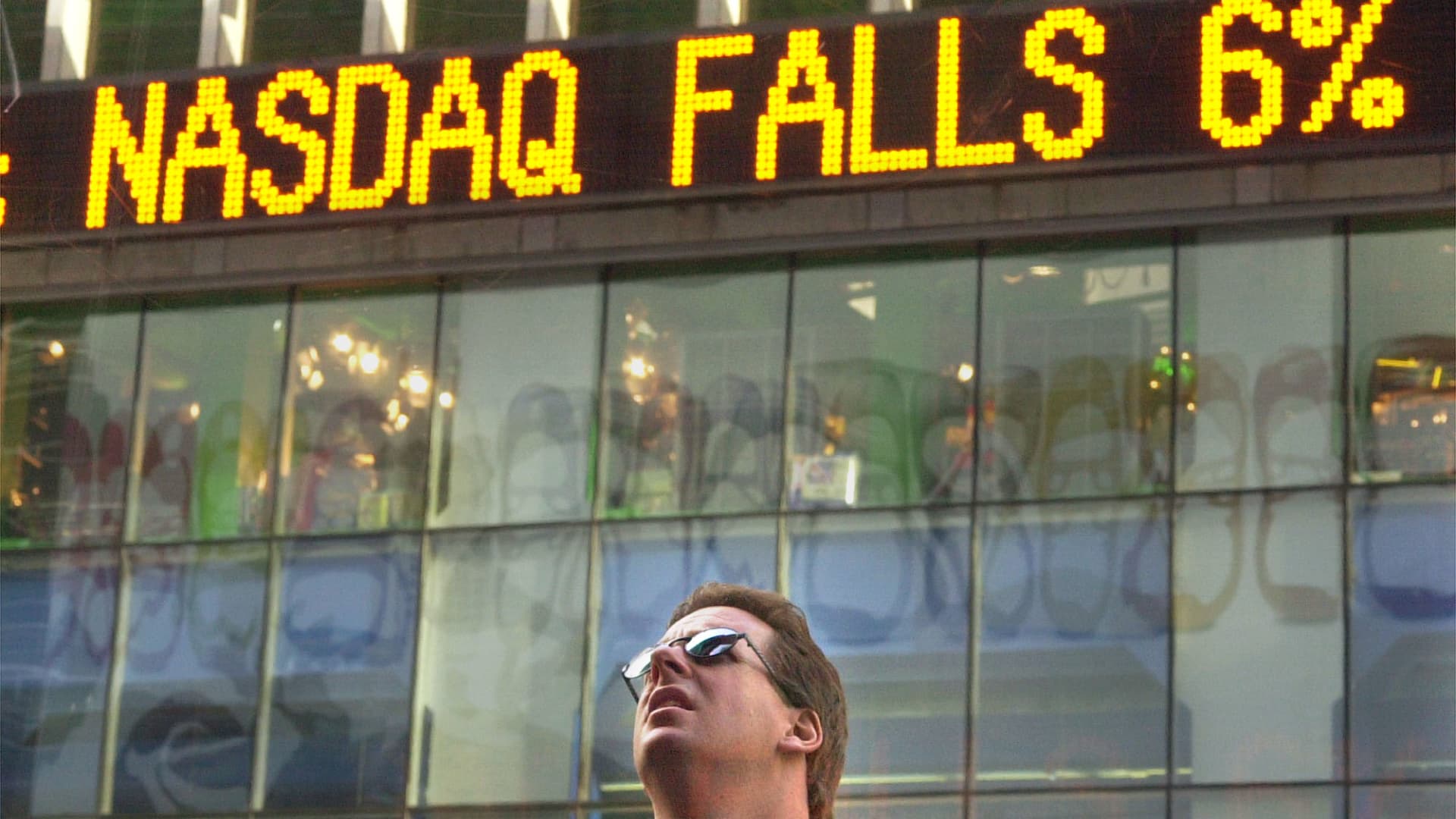
The S&P 500's market value is as concentrated in AI as it was in tech stocks at the peak of the dot-com bubble. Gen Xers are the least financially prepared generation for retirement by nearly every measure, according to the Alliance's Retirement Income Institute. They are the first generation to carry the full weight of the shift from defined-benefit pensions to 401(k)-style plans. Only 14% of Gen X workers have a traditional pension, against 56% of boomers. The shift leaves retirement savings wholly dependent on market timing.
The problem isn't owning an S&P 500 fund. The problem is asking the same fund to pay next year's bills and fund retirement 25 years from now, said Ernie Cave, a CFP and founder of Cave Wealth Management.
He calls this the sequence-of-returns risk, a force that has prompted a rethinking of the standard retirement withdrawal rule. A 30% market decline in the first year of retirement forces selling at the bottom to cover living expenses. Those shares never recover.
Asher Rogovy, chief investment officer at Magnifina, puts numbers on the concentration. An estimated 40% to 50% of the S&P 500's market value sits in companies tied to AI, he said. The dot-com bubble involved similar levels of index concentration, and the aftermath should give us pause, Rogovy said. The S&P 500 created an equal-weighted version of the index in 2003. There are now funds and ETFs that offer core S&P 500 exposure without the concentration in the top names, he said.
The Amazon chart is the clearest example. An investor who bought the stock at its 1999 peak had to wait a full decade before it reclaimed that high. The S&P 500 itself took nearly five years to recover from the dot-com bust, a recovery that barely held before the 2008 crash erased it. Measured from the 2009 bottom, it took another four years to clear the old 2007 peak. Depending on how you count it, the period of being underwater lasted anywhere from four to thirteen years. For someone three to five years from retirement, that is not an academic timeline, Rogovy said.
Cave advocates a 'war chest' strategy: two years of expected distributions in cash or short-term investments, five years in cash, Treasuries, CDs, and high-quality bonds. The rest stays invested for growth. The goal isn't to eliminate market declines. It's to reduce the chance that a retiree is forced to sell long-term investments during one, Cave said.
Other advisors use a glide path or a bond tent. Elias Friedman, a CFP and founder of Kadima Wealth, said both options can reduce the chance of having to sell stocks after a major decline. He advises a gradual transition rather than a large reallocation at retirement. Think of it as going for a cross-country drive on the highway and then slamming on the brakes, Friedman said. He recommends a bond or CD ladder with short- to intermediate-maturing securities instead of putting all the money back into the market at once.
Mike Dunlop, CFP and co-founder of Ignite Planning in Cedar Falls, Iowa, said the biggest danger is the concentration in the top seven stocks in the S&P 500, which make up over 30% of the index. His firm has been moving some client assets out of core S&P 500 funds and into large-cap value. It's the same stock market, just not betting the whole retirement on the top seven names, Dunlop said.
Retirement doesn't eliminate the need for growth. It changes which dollars can afford to wait for it, Cave said.