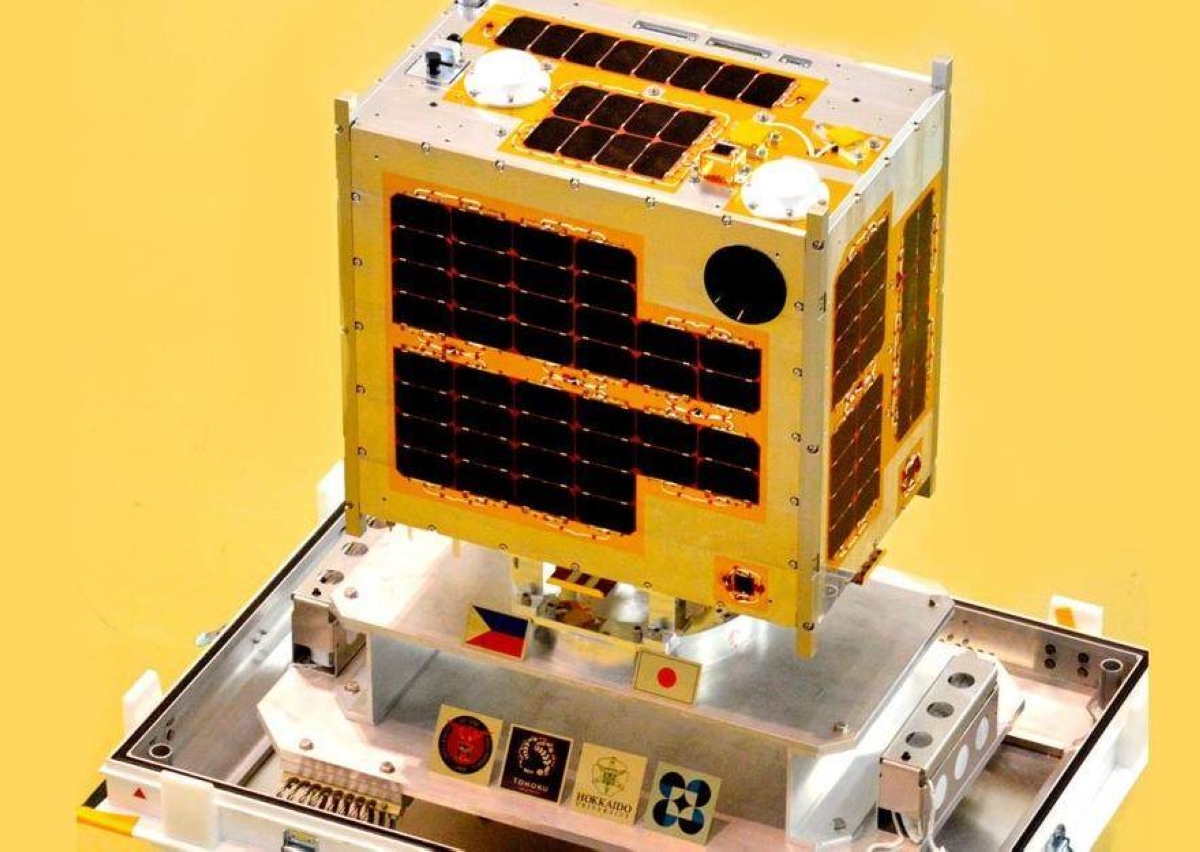
The deployment of the Diwata-1 microsatellite from the International Space Station on April 27, 2016, serves as the definitive starting point for the Philippine space sector. By transitioning from a consumer of satellite data to a designer and builder of orbital hardware, the nation established a new industrial baseline. This 50-kilogram craft, launched via the Japanese Kibo module, proved that domestic engineering could sustain complex instrumentation in low Earth orbit.
Engineering Sovereignty and Industrial Scaling
The success of Diwata-1 shifted the narrative from theoretical research to applied aerospace development. Prior to this event, domestic efforts relied on foreign-procured data for disaster management and agricultural monitoring. The ability to control a bespoke satellite allowed for the development of localized imaging capabilities, which are essential for an archipelago prone to typhoons and shifting land-use patterns.
This shift in capability creates a distinct path for future infrastructure investment. The transition from a single experimental unit to a sustained program requires a consistent supply chain for specialized sensors and high-grade materials. As the sector matures, the focus moves toward the integration of these satellite feeds into broader national data architectures. This integration is critical for sectors ranging from maritime security to urban planning.
The Economic Link to Aerospace Infrastructure
The aerospace sector often acts as a catalyst for high-value manufacturing and software engineering. While the initial launch was a technical milestone, the long-term value lies in the creation of a specialized workforce capable of managing orbital assets. The development of Diwata-1 forced a collaboration between academic institutions and government agencies, setting a template for how the country manages large-scale technology projects.
Investors monitoring the growth of emerging technology sectors often look for this type of foundational shift. The move toward indigenous satellite production mirrors broader trends in stock market analysis where nations prioritize domestic control over critical data infrastructure. This is particularly relevant for companies involved in the broader technology ecosystem, where hardware-software integration remains a primary driver of value.
AlphaScala Data and Sector Context
Within our current coverage, technology and consumer cyclical sectors continue to show varied performance metrics. For instance, ServiceNow Inc. (NOW stock page) currently holds an Alpha Score of 51/100 with a mixed label, reflecting the broader volatility in enterprise software. Similarly, Amer Sports, Inc. (AS stock page) carries an Alpha Score of 47/100, also labeled as mixed. These scores highlight the importance of identifying specific catalysts, such as the transition from research to production, when evaluating long-term sector health.
The next concrete marker for the Philippine space sector is the scaling of its satellite constellation and the formalization of private-sector partnerships. Future filings regarding the procurement of ground station infrastructure and the expansion of the Philippine Space Agency will provide the next data points for assessing the commercial viability of this nascent industry. Observers should monitor upcoming budget allocations and legislative updates that define the scope of public-private cooperation in orbital operations.