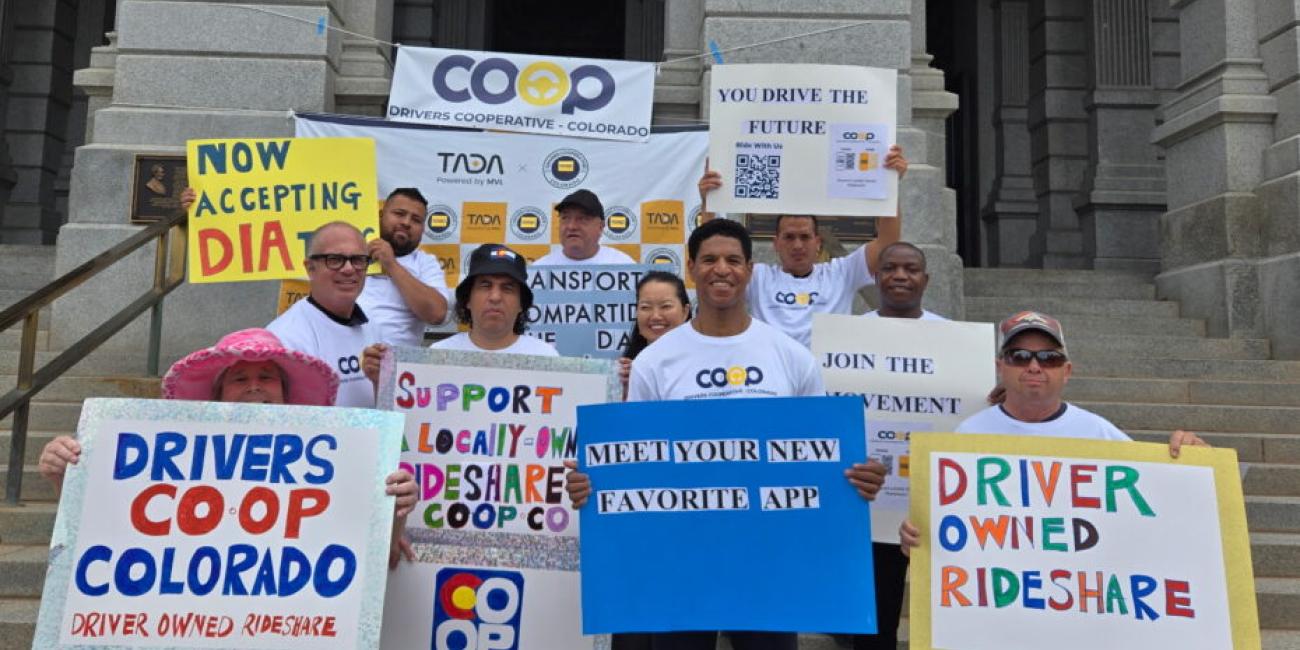
The emergence of the Drivers Cooperative in Colorado signals a structural challenge to the prevailing gig economy model. By transitioning ownership of the platform to the drivers themselves, the organization attempts to bypass the traditional fee structures that define the ride-hailing industry. This shift in operational control aims to address long-standing grievances regarding driver compensation and platform transparency. While the cooperative model provides a distinct alternative to the dominant tech giants, it faces significant hurdles in scaling its operations to match the network density of established incumbents.
Structural Barriers to Market Scaling
The primary challenge for the Drivers Cooperative lies in the network effect that sustains major platforms like UBER stock page. Ride-hailing services rely on a high volume of active users and drivers to minimize wait times and maximize vehicle utilization. For a cooperative to compete, it must achieve a critical mass of participants to ensure the platform remains viable for both riders and drivers. Unlike venture-backed firms that utilize capital to subsidize growth and customer acquisition, the cooperative model must rely on organic growth and member participation. This constraint limits the ability to deploy aggressive marketing or pricing strategies that typically characterize the sector.
Operational Divergence from Platform Giants
Traditional platforms operate as centralized intermediaries that capture a percentage of each transaction to cover overhead and provide returns to shareholders. The cooperative structure, by contrast, redirects these margins back to the drivers. This fundamental difference in the distribution of revenue creates a potential incentive for driver retention, yet it complicates the funding of technological infrastructure. Maintaining a competitive app interface requires continuous investment in software development and data processing. Without the deep capital reserves of larger technology firms, the cooperative must balance its commitment to driver equity with the necessity of technical maintenance.
AlphaScala data currently reflects a mixed outlook for major players in the technology and communication sectors, with UBER stock page holding an Alpha Score of 49/100, ON stock page at 45/100, and APP stock page at 45/100. These scores highlight the broader volatility and competitive pressures inherent in platform-based business models. The success of the cooperative model will likely depend on its ability to maintain operational efficiency while navigating the high-stakes environment of stock market analysis.
The Path to Viable Competition
The long-term viability of the driver-owned model rests on its ability to prove that a decentralized platform can offer a consistent user experience. If the cooperative can demonstrate that its model provides a sustainable income for drivers without sacrificing service quality for riders, it may force a reassessment of industry standards. The next concrete marker for this initiative will be its ability to expand into new geographic markets or increase its active user base beyond the initial 1,200-driver cohort. Success in these areas would provide a tangible test of whether the cooperative structure can survive the competitive pressures of the broader ride-hailing ecosystem.