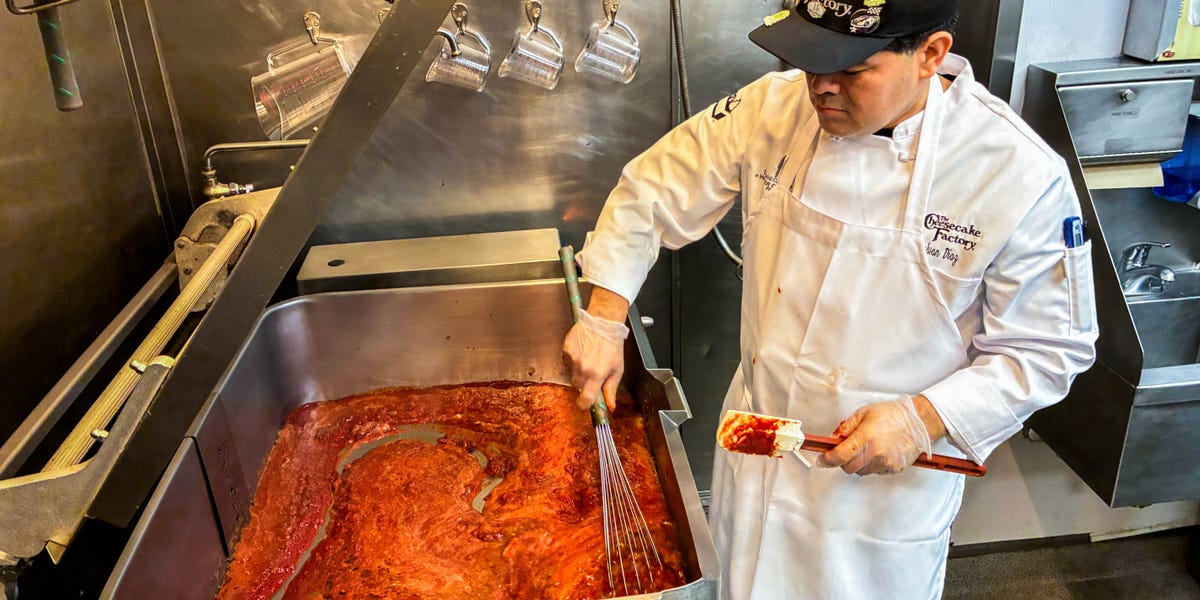
The Cheesecake Factory has long maintained a competitive outlier status by operating a menu exceeding 250 items. While industry standards favor simplified menus to reduce waste and accelerate kitchen throughput, the company continues to rely on a high-complexity model that requires significant daily preparation. This operational strategy serves as the primary driver for its brand identity, yet it creates a distinct friction point between labor costs and table turnover rates.
Operational Complexity and Margin Pressure
The company manages this scale through a centralized production system that allows for consistent execution across diverse categories ranging from pasta and tacos to sushi. By preparing components in-house daily, the kitchen maintains a level of quality control that supports premium pricing. However, this approach demands a higher headcount per square foot than traditional casual dining chains. The reliance on fresh preparation creates a rigid cost structure where labor expenses do not scale down linearly during periods of lower traffic. Investors monitoring the CAKE stock page must weigh the brand loyalty generated by this extensive variety against the inherent difficulty of optimizing margins in an inflationary environment.
Sector Read-Through for Consumer Cyclicals
The broader consumer cyclical sector is currently navigating a shift in how casual dining brands manage inventory and labor. While competitors have moved toward limited-time offers and streamlined menus to improve operational efficiency, The Cheesecake Factory remains committed to its expansive catalog. This divergence provides a useful case study for the sector. If the company can maintain its current traffic levels, it validates the strategy of using variety as a primary moat against commoditized dining experiences. If labor costs continue to outpace menu price increases, the model may face pressure to consolidate its offerings to preserve profitability.
AlphaScala data currently assigns CAKE an Alpha Score of 42/100, reflecting a mixed outlook as the company balances its unique operational footprint against broader macroeconomic headwinds. Other players in the consumer discretionary space, such as AS and HAS, face different structural challenges, but all share the common burden of managing consumer spending shifts in a high-interest rate environment.
The Path Toward Operational Efficiency
The next critical marker for this narrative will be the company's ability to leverage technology to offset the labor intensity of its kitchen operations. Future filings will likely reveal whether management intends to introduce automation or supply chain adjustments to mitigate the costs of maintaining such a massive menu. Any move to reduce the item count would signal a fundamental change in the company's value proposition. Conversely, a continued commitment to the current menu size suggests that management views the complexity as an essential barrier to entry that competitors cannot easily replicate. For a deeper look at how these operational shifts impact broader stock market analysis, observers should monitor upcoming quarterly labor efficiency metrics and average check growth figures.