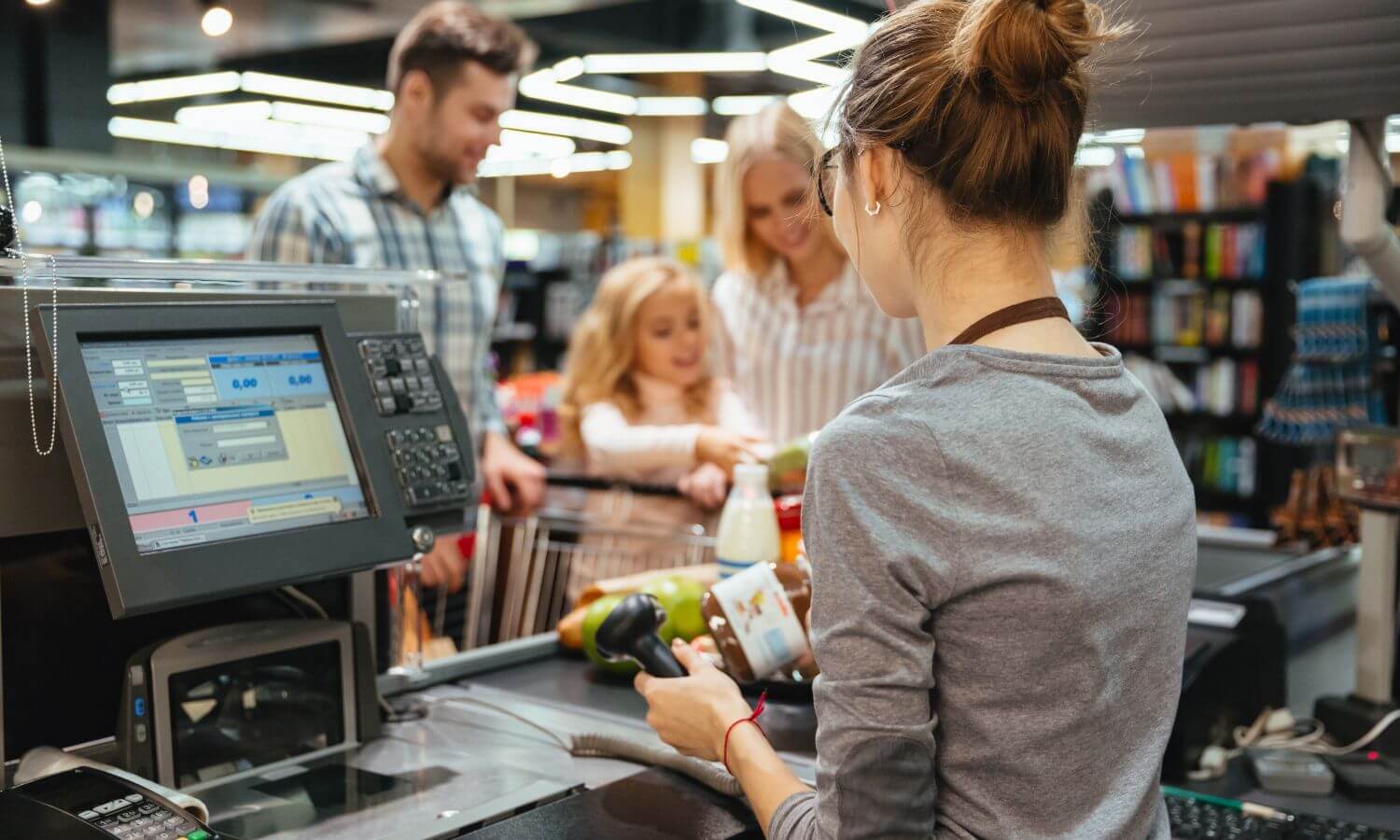
When I moved to Canada in 2019, the most useful financial tool I found wasn't a bank account or a credit card. It was a grocery store price-match policy.
Here is how it works. A retailer honors a competitor's advertised price on an identical item if you bring in the flyer. The cashier looks at the flyer, looks at the item, and adjusts the total. No barcode scan. No central database. No third-party verification. The transaction rests entirely on mutual honesty.
For a newcomer with no credit history and no local reputation, that moment of trust was jarring. The system did not assume I was gaming it. It assumed I was telling the truth until proven otherwise.
That assumption changed how I thought about financial risk. In investing, the default posture is skepticism. Every counterparty is a potential adversary. Every yield above the risk-free rate carries a hidden cost. The market is built on the idea that trust must be verified, collateralized, and audited.
The price-match policy suggested a different starting point. Trust, extended first, creates a different kind of efficiency. The retailer saves on advertising wars. The customer saves time and money. The system works because most people do not abuse it.
I am not arguing that markets should run on goodwill. The 2008 financial crisis and the FTX collapse are proof that trust without verification is a trap. The Canadian price-match lesson was subtler: trust is not the enemy of good financial decisions. It is a scarce resource that, when deployed intelligently, reduces friction.
For a newcomer, that friction is everywhere. Opening a bank account requires two pieces of ID, a utility bill, and a prayer. Getting a credit card means depositing cash you do not have. Every gatekeeper assumes you are a risk until you prove you are not.
The price-match policy was the rare exception. It said: we will trust you first. Prove us wrong if you must.
That is not a bad framework for investing. The best trades I have made were not the ones where I assumed the worst about the counterparty. They were the ones where I understood the trust dynamic – where the other side had an incentive to be honest, and the structure of the deal made cheating harder than cooperating.
Canada did not teach me how to pick stocks. It taught me that the financial system is not just a machine of numbers. It is a machine of relationships. The most efficient relationships are the ones where trust is earned, extended, and protected.
That is worth more than any price match.