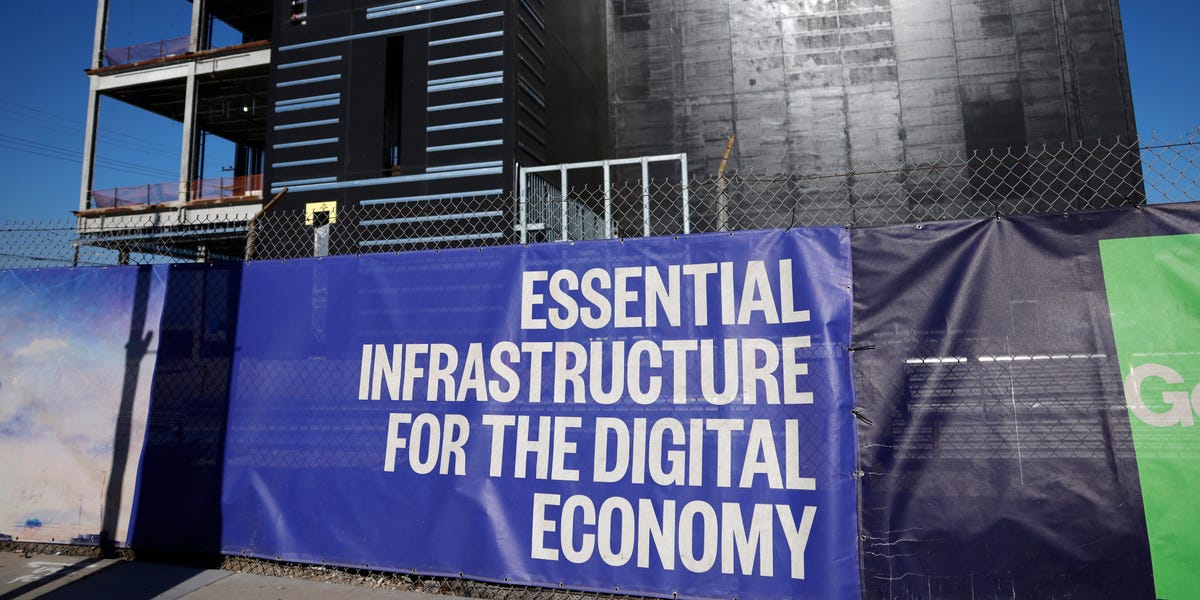
A significant disconnect has emerged between corporate capital expenditure on AI infrastructure and actual operational utilization. Recent data indicates that approximately 95% of GPU capacity across thousands of organizations remains idle. This trend suggests that the aggressive procurement of high-end hardware, driven by fear of missing out on the generative AI boom, has resulted in a massive surplus of underutilized computing power.
The Over-Provisioning Cycle
The rush to secure GPU supply chains has created a bottleneck where organizations prioritize ownership over efficiency. Companies are treating AI compute as a strategic reserve rather than a variable utility. This behavior mirrors historical cycles of infrastructure overbuild, where the desire to avoid future scarcity leads to immediate capital inefficiency. The current state of the market shows that while the demand for AI capabilities is real, the deployment of those capabilities is lagging behind the physical acquisition of hardware.
This phenomenon creates a distinct challenge for firms managing large-scale cloud environments. When hardware is acquired at scale without corresponding software optimization or workload readiness, the return on invested capital remains suppressed. The data suggests that the current AI infrastructure build-out is currently defined more by hoarding than by active integration into production workflows.
Operational Efficiency and Future Utilization
For the broader technology sector, this idle capacity represents a potential drag on margins. If companies continue to purchase hardware at current rates without increasing their utilization ratios, the pressure on balance sheets will intensify. The shift from hardware acquisition to software-defined resource management will likely become the next phase of the AI investment cycle. Organizations that can bridge the gap between idle capacity and active workload deployment will likely see superior performance compared to those simply accumulating assets.
AlphaScala data currently reflects this complexity in the broader technology sector, with ON Semiconductor Corporation (ON stock page) holding an Alpha Score of 45/100 and Amer Sports, Inc. (AS stock page) holding an Alpha Score of 47/100, both labeled as Mixed. These scores reflect the broader volatility in capital-intensive industries where supply chain positioning often outpaces immediate demand realization. As firms evaluate their stock market analysis and long-term infrastructure needs, the focus is shifting toward maximizing the utility of existing assets rather than merely expanding the footprint.
- Key factors driving the current infrastructure imbalance include:
- Fear-based procurement cycles that prioritize supply security over utilization metrics.
- Lack of mature software stacks capable of fully saturating high-end GPU clusters.
- High operational costs associated with maintaining idle, power-hungry hardware.
The next concrete marker for this narrative will be the upcoming quarterly earnings reports, specifically focusing on cloud service provider commentary regarding customer utilization rates and the duration of their AI hardware deployment cycles. If utilization metrics do not improve, the market may see a cooling in capital expenditure as firms pivot from aggressive expansion to asset optimization. This transition will be critical for determining the long-term sustainability of the current AI-driven capital expenditure boom.