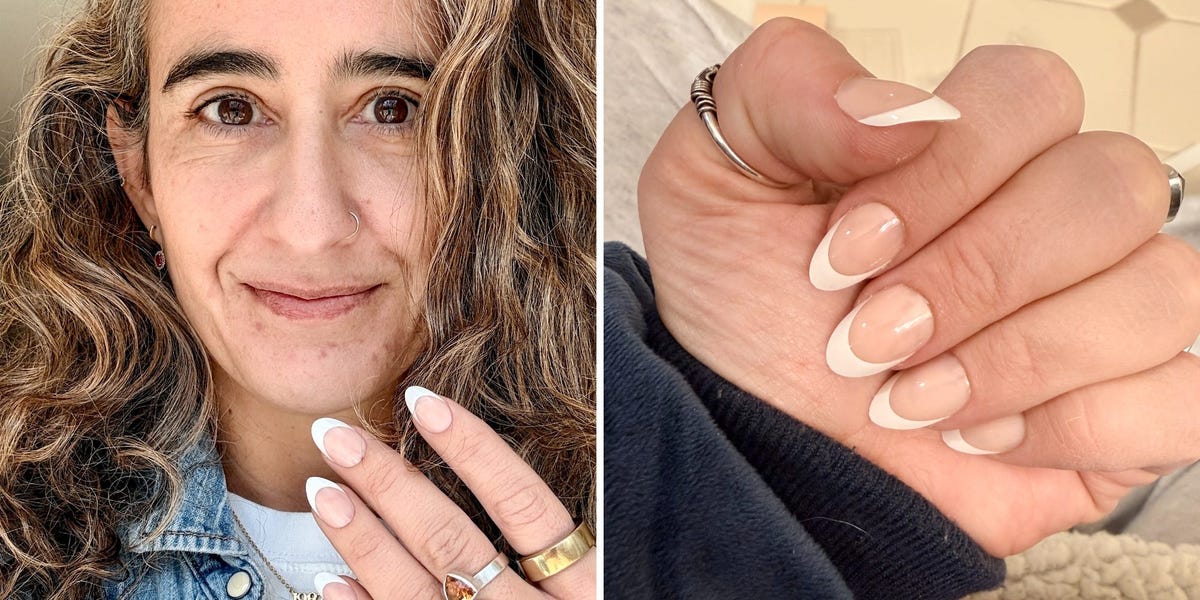
The Hidden Cost of Routine Grooming
For many, the bi-weekly trip to the nail salon is a non-negotiable expense. Yet, the math behind these professional services reveals a burdensome drain on personal finances. A single consumer recently discovered that her recurring gel manicure habit amounted to $2,000 per year. This realization prompted a complete withdrawal from professional salon services in favor of an alternative that costs just $10.
This shift reflects a broader trend in market analysis where consumers are actively seeking ways to reduce discretionary spending without sacrificing aesthetic standards. When a routine service costs nearly two months of a standard savings goal, the incentive to find a substitute becomes clear.
Breaking Down the Savings
Transitioning from high-end salon treatments to at-home solutions offers immediate liquidity. By replacing professional appointments with affordable press-on products, the individual effectively recaptured a significant portion of her annual budget.
"I ditched my nail salon when I realized I was spending thousands on gel manicures each year. Now an inexpensive find helps me look and feel great."
Comparison of Annual Costs
| Expense Category | Annual Estimate | Frequency |
|---|
| Professional Gel Manicures | $2,000 | Bi-weekly |
| DIY Press-on Alternatives | $260 | Bi-weekly |
| Total Annual Savings | $1,740 | -- |
- Original Spend: $2,000 annually on salon visits.
- New Spend: Approximately $10 per set, totaling $260 if replaced every two weeks.
- Net Benefit: A surplus of $1,740 redirected back into the household budget.
Market Implications for Discretionary Spending
When households face inflationary pressure, luxury services are often the first items cut from the ledger. This move away from professional salons toward budget-friendly alternatives mirrors shifts seen in other sectors, such as the move toward travel-focused rewards in RBC Shifts Card Loyalty Focus from Points to Travel Rewards.
As consumers become more price-sensitive, companies in the beauty sector may face lower traffic at premium locations. Traders tracking consumer behavior should watch whether this pattern of 'trading down' persists as a long-term habit or remains a temporary reaction to tighter budgets. Investors who previously capitalized on the growth of the professional beauty services industry might find that the rise of high-quality, low-cost alternatives provides a real challenge to traditional business models.
What to Watch Next
Future reports on discretionary retail sales will clarify if this behavior is widespread. If more consumers adopt DIY beauty routines, retailers that offer affordable, high-quality press-on products may see increased demand. Conversely, traditional salons will need to demonstrate unique value to retain customers who have already proven they can manage their own grooming needs at a fraction of the price.