A Sudden Digital Correction
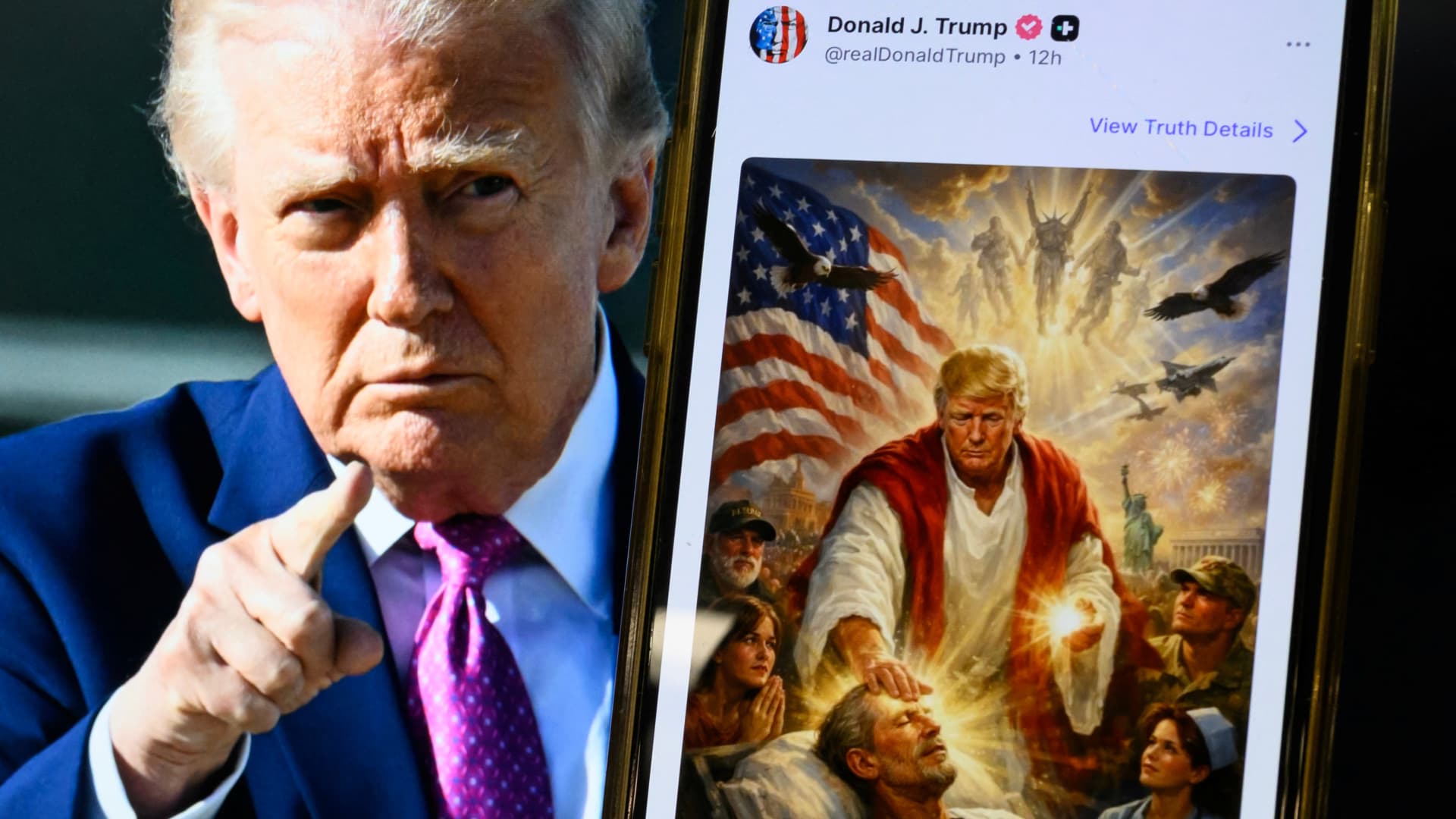
Former President Donald Trump removed a provocative image from his Truth Social account in May 2025. The post, which featured an AI-generated rendering of Trump portrayed as a Catholic pope, appeared shortly after the passing of Pope Francis. The removal follows a bizarre public explanation from the former president, who claimed he believed the image depicted him as a medical professional.
The Context of the Post
AI-generated content continues to complicate the public discourse surrounding high-profile political figures. By placing himself in the role of the supreme pontiff, the post drew immediate attention to the intersection of digital media and political messaging. While the intent behind the original upload remains unclear, the subsequent deletion serves as a rare admission of confusion regarding the content being shared by his social media team.
Timeline of Events
- May 2025: Pope Francis passes away.
- May 2025: Trump shares an AI-generated image of himself as a pope on Truth Social.
- Post-Publication: The image is deleted following public questioning.
Market and Public Reaction
Investors monitoring market analysis often track how political volatility influences digital sentiment. While this specific event focused on personal branding rather than fiscal policy, the reliance on AI imagery poses risks for public figures. The confusion expressed by the former president regarding the image's subject matter highlights the potential for misinformation in an era where synthetic media is increasingly common.
"I thought it was me as a doctor," Trump stated, regarding the reasoning behind the removal of the image.
Monitoring Future Digital Trends
Traders should continue to watch for how AI-generated content impacts the reputation of political candidates. As the political cycle intensifies, the frequency of such digital errors may increase, potentially triggering short-term fluctuations in sentiment-sensitive assets. Future posts from high-profile accounts will likely face higher levels of scrutiny from both media outlets and retail investors looking for signs of instability.