Macro● Neutral
CBP Tariff Refund Delays Force 90-Day Cash Flow Adjustments
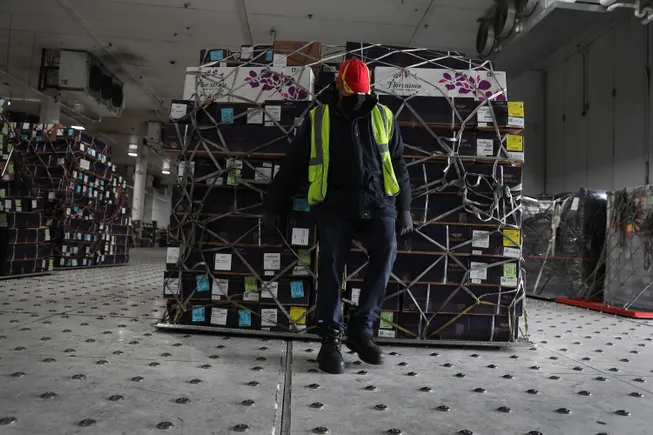
Importers face a liquidity gap as refund timelines double from 45 to 90 days. Companies must now recalibrate working capital forecasts to offset margin drags.
Continue with
Refund Delays Impact Corporate Cash Flow
The U.S. Customs and Border Protection (CBP) recently confirmed that the processing time for tariff refunds will now span 60 to 90 days. This update marks a sharp departure from earlier agency guidance, which projected a turnaround of just 45 days for the new system currently under development.
For firms tracking market analysis, this extension creates a predictable liquidity gap. Companies expecting a faster return of capital tied up in import duties must now adjust their internal forecasts to account for the additional month of waiting time.
Why the Timeline Shift Matters
Businesses have relied on the agency’s initial estimates to manage their working capital. By extending the window to 90 days, the CBP forces importers to carry tax costs on their balance sheets for longer periods. This is particularly difficult for smaller firms that lack the credit facilities of larger multinational corporations.
- Original Estimate: Up to 45 days
- Updated Reality: 60 to 90 days
- Operational Impact: Increased capital lock-up for importers