Back to Markets
Macro● Neutral

Private Jet Exodus: Augusta Regional Airport Records Massive Post-Masters Traffic

April 13, 2026 at 04:26 PMBy AlphaScalaSource: businessinsider.com
Private Jet Exodus: Augusta Regional Airport Records Massive Post-Masters Traffic

Augusta Regional Airport recorded 239 private jet departures on the final day of the Masters tournament, reflecting the intense concentration of high-end corporate and private travel.

The Masters Departure Rush

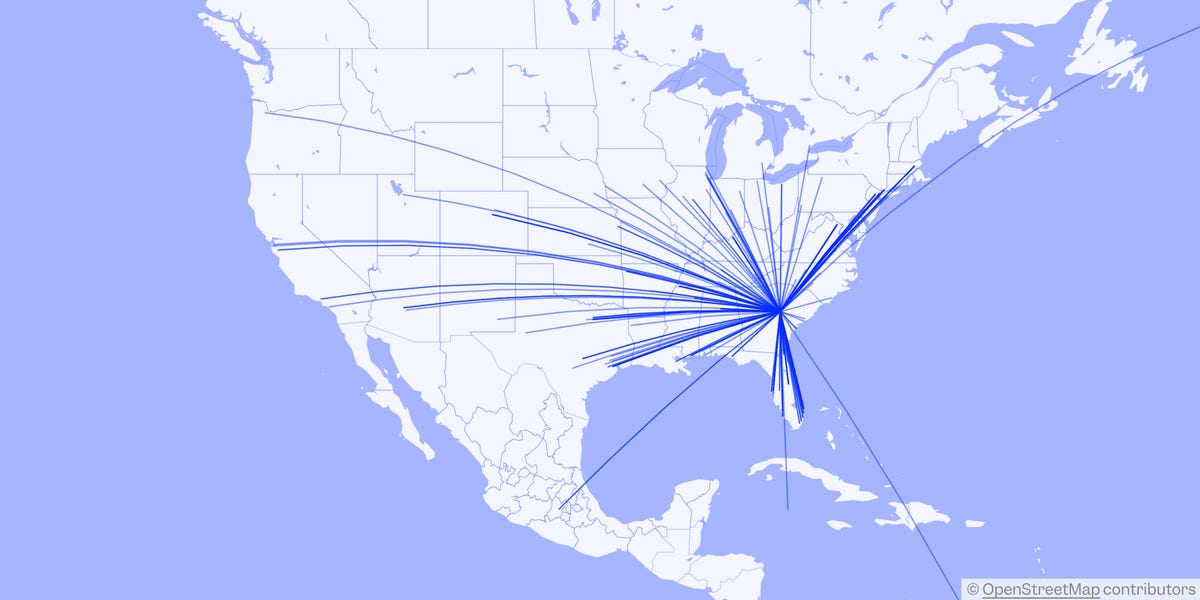
Augusta Regional Airport experienced a surge in private aviation activity following the conclusion of the Masters tournament. Data compiled by JetSpy confirms that 239 private jets departed the facility on the final day of the event. This high volume of traffic highlights the intensity of the corporate and private travel demand surrounding one of golf's premier championships.

Traffic Breakdown

Activity at the airport accelerated as the tournament reached its conclusion. By the time Rory McIlroy secured his victory, 123 private jets had already cleared the runway at Augusta Regional. The subsequent hours saw an additional 116 departures, bringing the daily total to nearly 240 aircraft.

Time PeriodJet Departures
Pre-Victory123
Post-Victory116
Total Daily Traffic239

Aviation Logistics and Market Impact

For those involved in market analysis, the data serves as a proxy for the high-net-worth liquidity present during the tournament. The logistical requirements to move this volume of aircraft in a single day place immense pressure on regional airport infrastructure.

Private aviation firms often see seasonal peaks tied to major sporting events. While the Masters remains a unique cultural event, the sheer number of sorties underscores the concentration of capital that converges on Augusta each spring.

The rapid exit of private aircraft from Augusta Regional Airport demonstrates the scale of high-end travel demand during major sporting events, often taxing the capacity of secondary airports.

What to Watch

Investors looking at the broader travel sector should monitor how airport operators manage capacity during these concentrated bursts of activity. While the Masters provides a predictable spike, the ability of regional hubs to handle such density without delays remains a key performance metric for the aviation services industry. Traders should also keep an eye on fuel demand and ground service revenue in the days immediately following such events, as these represent the primary income drivers for localized aviation businesses.