Stocks● Neutral
Thailand to Decide Who Pays for Street Lighting Costs
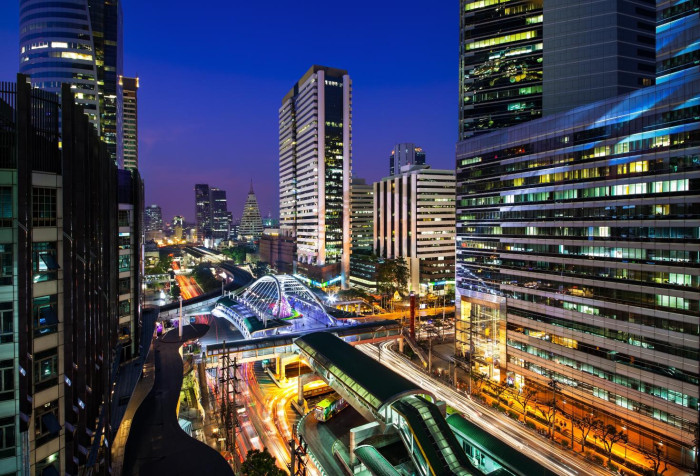
Thailand's NEPC meets Wednesday to decide who pays for street lighting, now added to household bills. Energy Minister Akanat Promphan is pushing for change.
Continue with
Thailand's National Energy Policy Council (NEPC) meets Wednesday to decide who should cover the cost of public street lighting, a charge now added to household power bills. An energy official who asked not to be named said the meeting aims to revise the pricing structure for greater transparency.
Energy Minister Akanat Promphan is pushing the change, arguing the decades-old practice of passing street lighting costs to consumers is unfair. The NEPC, chaired by Prime Minister Anutin Charnvirakul, must decide whether state agencies and the public should share the expense.
The issue dates to 1987, when the NEPC exempted the Department of Highways and local administrative bodies from paying for public lighting. The cost was then 0.03 baht per unit. It has since climbed to 0.10 baht per unit, adding pressure to household bills, the official said.
Akanat argues local administrative organisations should contribute because they generate their own revenue and do not rely solely on government allocations.