Stocks● Neutral
Thailand lychee harvest seen plunging 39% on erratic weather
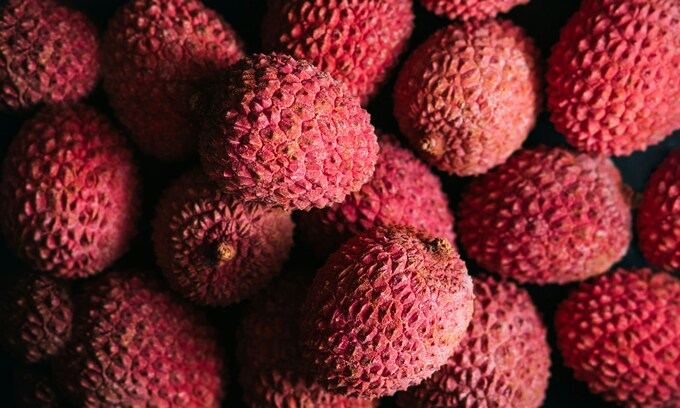
Thailand's lychee output is set to drop nearly 39% in 2026 after erratic weather hit flowering and fruit-setting. Longan output also fell. Prices have held up.
Continue with
Thailand's lychee output is set to fall by nearly 39% in 2026 after erratic weather disrupted flowering and fruit-setting, the Office of Agricultural Economics said in a production and price outlook report released June 18.
The OAE estimates total lychee output at only 22,000 tonnes this year, down from roughly 36,000 tonnes a year earlier. Harvested area is projected to shrink 1.51% to around 77,000 rai, or about 12,300 hectares, while average yields could plunge by almost 38%.
The damage traces to conditions between late December 2025 and February 2026. Intermittent cold spells alternating with periods of unusually high temperatures disrupted flowering across key growing areas. Drought during fruit-setting further reduced the number of marketable lychees per tree.