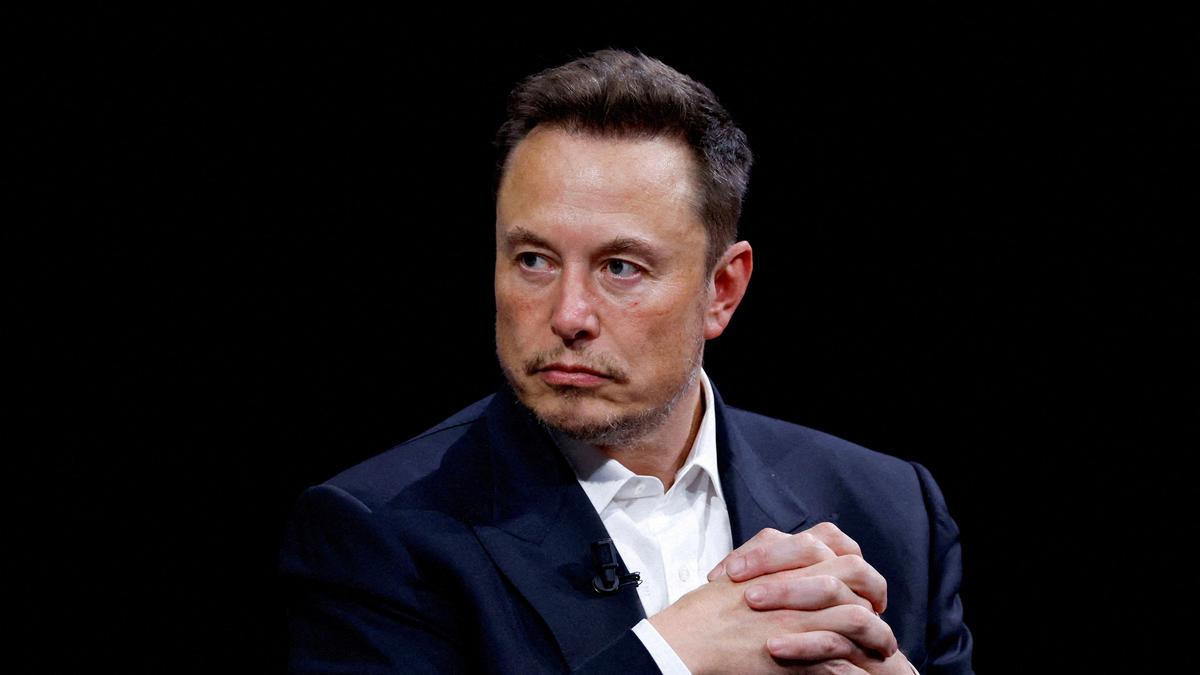
Tesla has initiated a strategic pivot in its hardware development roadmap by integrating Intel's 14A manufacturing process into its proprietary Terafab project. This move marks a departure from traditional reliance on external foundry partners for high-performance computing needs. The initiative aims to localize chip production within Texas to support the compute requirements of Tesla vehicles, humanoid robotics, and the data infrastructure powering SpaceX.
Terafab and the Intel 14A Architecture
The Terafab project represents a vertical integration effort designed to secure a dedicated supply chain for advanced AI silicon. By utilizing the Intel 14A process, Tesla intends to leverage high-density transistor architectures that are optimized for the power efficiency and thermal constraints inherent in automotive and robotics applications. This manufacturing node is intended to provide the necessary performance headroom for autonomous driving stacks and real-time inference models that currently strain existing hardware configurations.
For Intel, the partnership serves as a critical validation of its foundry services division, which has been aggressively courting high-volume, specialized clients. The alignment suggests that Tesla is prioritizing domestic manufacturing capacity to mitigate geopolitical supply chain risks and to shorten the design-to-deployment cycle for its custom silicon. This shift is expected to impact the broader semiconductor landscape as automotive manufacturers increasingly seek direct control over their hardware specifications.
Sector Read-through and Hardware Dependencies
The integration of 14A technology into the Terafab ecosystem creates a distinct ripple effect across the technology sector. As Tesla moves toward internalizing more of its chip design and fabrication, the reliance on traditional third-party suppliers may diminish. This transition necessitates a re-evaluation of how automotive companies manage the balance between proprietary hardware development and standard industry components.
- Tesla is positioning Terafab to serve as a centralized hub for AI infrastructure across its various business units.
- The use of Intel 14A technology suggests a focus on sub-nanometer scaling to improve energy efficiency in edge computing environments.
- The geographic concentration in Texas aligns with broader efforts to consolidate manufacturing and R&D operations near existing production facilities.
AlphaScala data currently reflects a mixed outlook for the companies involved in this technological shift. TSLA holds an Alpha Score of 36/100 and is trading at $373.72, while INTC maintains an Alpha Score of 53/100. ON remains a relevant peer in the sector with an Alpha Score of 45/100. These scores highlight the volatility inherent in capital-intensive hardware transitions and the market's ongoing assessment of foundry-client partnerships.
Investors should monitor upcoming regulatory filings and facility construction updates for the Terafab site. The next concrete marker for this project will be the initial pilot production runs using the 14A process, which will determine whether the yield and performance metrics meet the requirements for mass-market deployment in Tesla's vehicle fleet. Further clarity on the capital expenditure requirements for these fabs will be essential for assessing the long-term impact on Tesla's margins and stock market analysis projections.