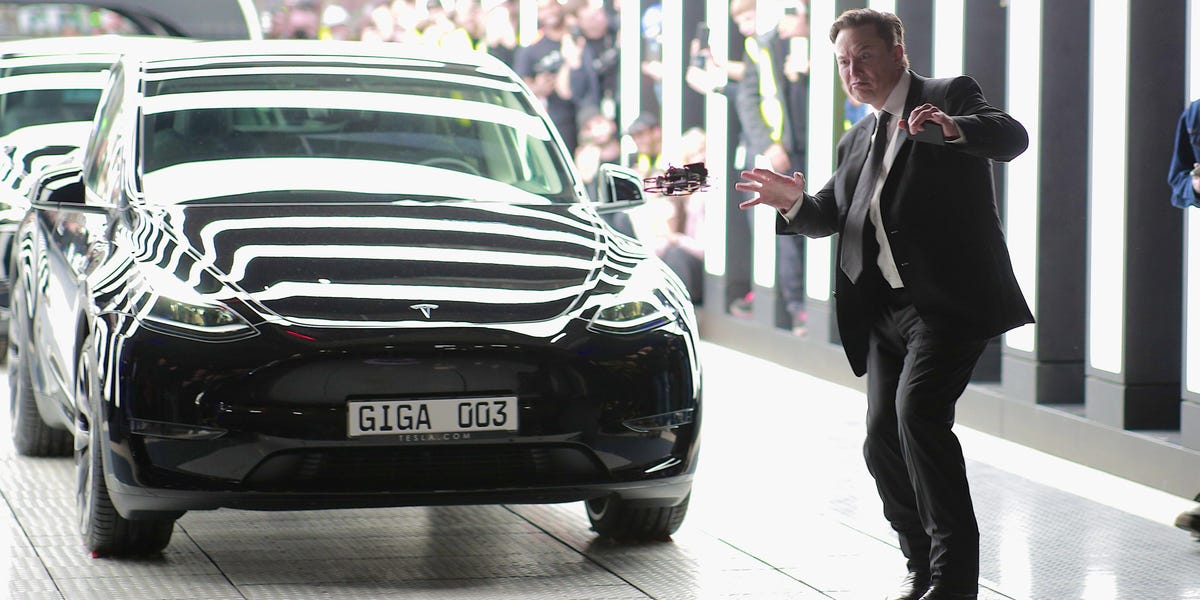
Tesla delivered 480,126 electric vehicles in the second quarter, up 25% from a year earlier. The number topped the average analyst estimate of about 470,000, according to data compiled by Bloomberg. Higher gasoline prices, pushed up by the conflict in the Middle East, helped drive demand, Tesla said in its quarterly production and delivery report. The stock rose 4.2% in premarket trading Wednesday.
The delivery beat comes at a time when the auto industry faces rising interest rates and supply chain constraints. Tesla's ability to ramp production at its factories in Austin and Berlin has given it an edge over legacy automakers still struggling to scale EV output. The company's margin profile, supported by price increases earlier this year, has held up better than many expected.
For the EV sector, Tesla's performance is a positive signal. Higher gas prices improve the total cost of ownership math for electric cars, especially for consumers who drive long distances or have home charging. The question is whether the demand boost is sustainable. If gasoline prices ease, the calculus shifts. Tesla's delivery numbers also suggest the broader EV market is expanding, not just taking share from internal combustion vehicles. Competitors like Rivian and Ford have reported strong reservation numbers for their electric trucks, though production remains constrained.
The simple read is that gas prices drive EV demand. The better read is about production execution. Tesla delivered 480,000 vehicles in a quarter despite factory shutdowns for upgrades. That scale is becoming a moat. Rivals that cannot match that volume will struggle to capture the same demand. Tesla plans to launch the Cybertruck later this year, a move that could open a new market segment. Tesla shares rose 4.2% in premarket trading Wednesday.