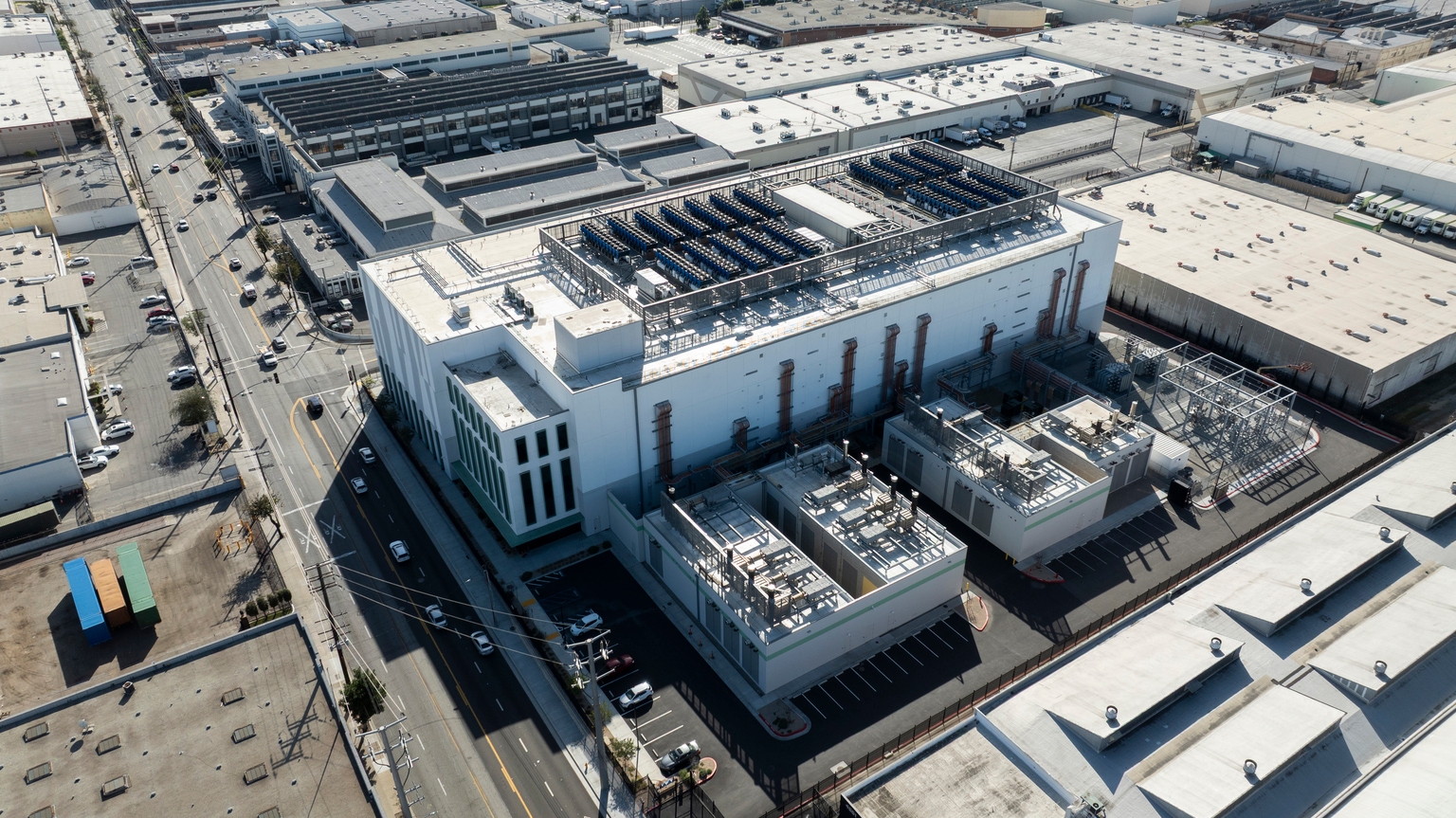
TeraWulf has shifted its operational focus toward the development of high-performance computing and artificial intelligence data centers, marking a departure from its historical reliance on digital asset mining. The company recently secured site acquisitions that provide over 1 gigawatt of potential power capacity, positioning its infrastructure to support the intensive energy demands of modern AI clusters. This pivot represents a strategic attempt to capture the growing demand for specialized data center space, where power availability has become the primary bottleneck for hyperscale expansion.
Infrastructure Scalability and Power Constraints
The core of the current narrative involves the conversion of existing power-dense sites into facilities capable of hosting high-density computing hardware. By securing land and utility rights that offer significant power headroom, the company is attempting to bypass the lengthy lead times typically associated with grid interconnection. This approach addresses the immediate supply gap in the data center market, where the availability of energized land is increasingly scarce. The transition requires substantial capital expenditure to retrofit mining facilities for AI-ready cooling and power distribution, creating a clear distinction between legacy operations and future growth segments.
Valuation and Market Positioning
The market is currently evaluating whether the company can successfully execute this transition without diluting its existing asset base or overextending its balance sheet. The valuation of firms in this space is often tied to the speed at which they can bring power online and sign long-term service agreements with enterprise tenants. While the sector remains volatile, the focus has shifted from the underlying commodity price of digital assets to the utility-like stability of data center infrastructure. Investors are weighing the potential for recurring revenue from AI tenants against the operational risks of large-scale facility retrofitting.
AlphaScala Data and Sector Context
For broader context on financial and infrastructure-linked equities, our data shows that Nasdaq Inc. currently holds an Alpha Score of 42/100 with a Mixed label, as seen on the NDAQ stock page. This reflects the ongoing sensitivity of exchange-related and infrastructure-heavy stocks to interest rate environments and capital expenditure cycles. Understanding these linkages is essential for stock market analysis as firms across the spectrum attempt to capitalize on the infrastructure requirements of the current technological cycle.
The Next Operational Marker
The next phase for TeraWulf involves the conversion of its pipeline into signed, revenue-generating contracts. The market will focus on the company's ability to secure anchor tenants for its newly acquired sites, as these agreements will serve as the primary validation of the pivot. Future filings will reveal the progress of site retrofitting and the specific power-delivery timelines for its AI-focused projects. Any delay in grid interconnection or a failure to secure high-credit-quality tenants will likely serve as the primary indicator of operational friction in this capital-intensive strategy.