Templeton's Rajasa Stays Constructive on India, Flags Permanent Volatility
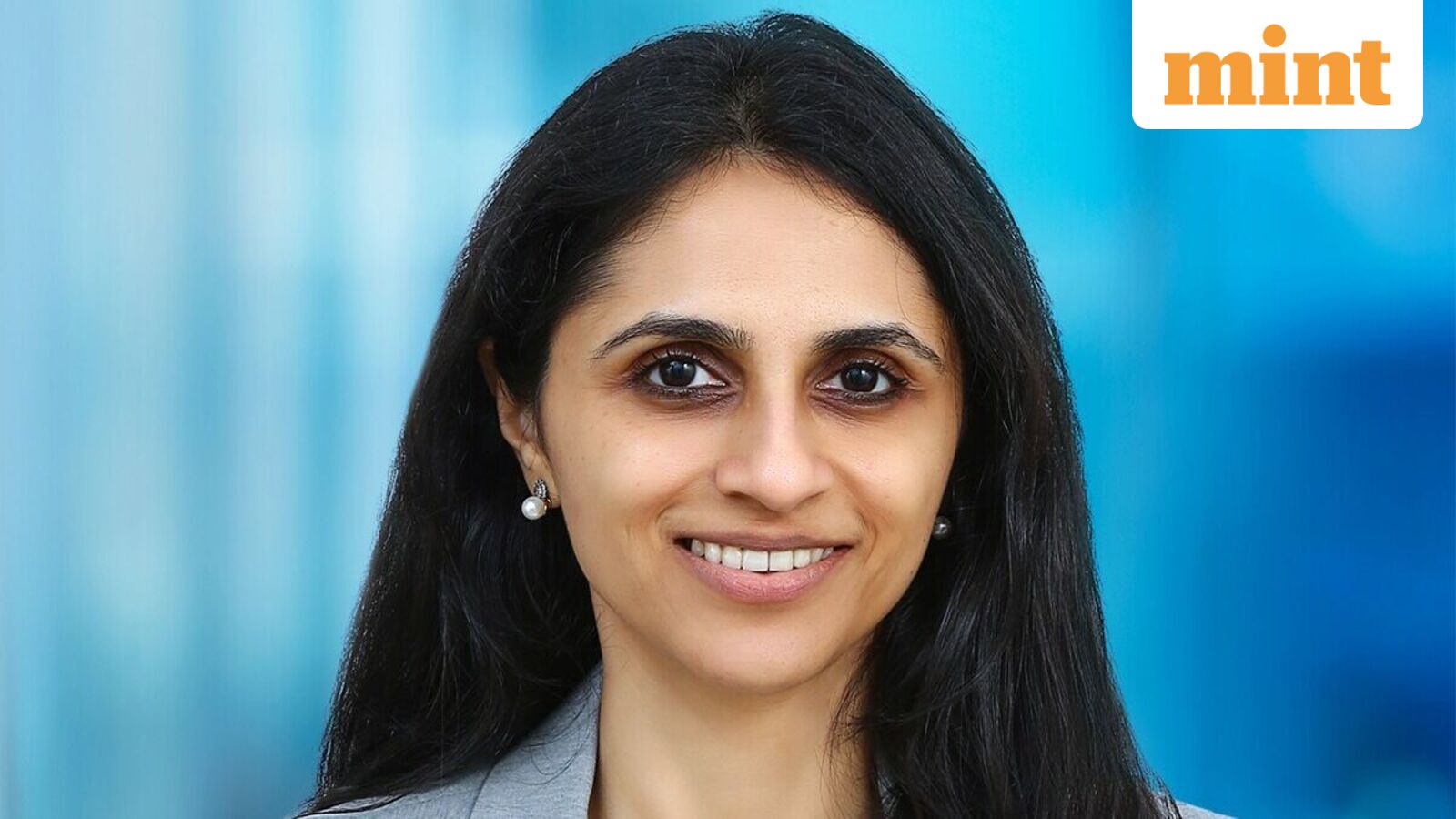
Rajasa K. of Templeton Global Investments says sustained crude above $100 is a concern, while India's structural growth pillars remain intact. She sees opportunity in small-midcaps and advises using corrections to accumulate.
Templeton Global Investments remains constructive on Indian equities even as it flags sustained crude above $100 as a concern and calls elevated volatility a permanent feature, Rajasa K., vice president and portfolio manager for India equities, told Mint as part of the Money Guru series.
"Elevated volatility now feels like a permanent feature we have to live with," Rajasa said. She pointed to a bigger structural shift: countries pushing for independent supply chains, a trend that existed before but has likely been accelerated by recent events.
Rajasa said she is "reasonably constructive" because the economy has been resilient through external and internal shocks. Corporate earnings have shown a healthy trajectory even through geopolitical tension, she added. "That said, we will have to remain watchful of the geopolitical tensions that have lasted longer than expected, and sustained crude above $100 is a concern. We view this as transient, but it bears monitoring."
On sectors, Rajasa said banks remain long-term durable compounders with a favorable operating environment of improving credit and deposit growth, better liquidity, and likely rate increases ahead that help margins. Beyond banks, deepening financialization through mutual funds and financial platforms offers credible growth opportunities, she said. The regulator works in the interest of stakeholders and depositors, so "I don't think one should be overly worried by all the headline events."
India is seeing new growth areas such as manufacturing localization, electronics, defense indigenization, and financial deepening, Rajasa said. "Many of these were too nascent to be investable five to ten years ago. Now there's a wide spectrum of avenues within these."
Opportunities exist across market caps when combining strong earnings growth, potential for earnings surprises, and management quality relative to valuation, she said. Many of the newer growth sectors that could eventually scale up are concentrated in small and midcaps, a "fertile hunting ground" for such ideas, though headline valuations are expensive.
On IT services, Rajasa said views are divided. Most are optimistic that enterprise-level AI adoption will eventually create opportunities. "Legacy revenue streams are facing deflationary pressure from AI and other factors, and the industry is shifting from effort-based to outcome-based revenue models, which is reshaping traditional employee pyramid structures. That transition is still underway. Valuations look compelling, but we haven't reached a point where earnings inflection looks certain."
Despite significant turbulence from tariffs, AI narratives affecting Indian markets, FII outflows, and the geopolitical conflict, India's structural growth pillars have largely stayed intact, Rajasa said. "With high probability, these headwinds are temporary. Investors should use market corrections to accumulate more aggressively, and SIPs are a good way to do that."
Drafted by a large language model from the source reporting linked above, then screened by automated publishing checks. It is not read by a journalist before publication. Some articles cite our Alpha Score. Verify prices and figures against the original source. Educational coverage, not personalized advice.