Stocks● Neutral
Tech Leaders Face Modernization Pressure at Austin Forum
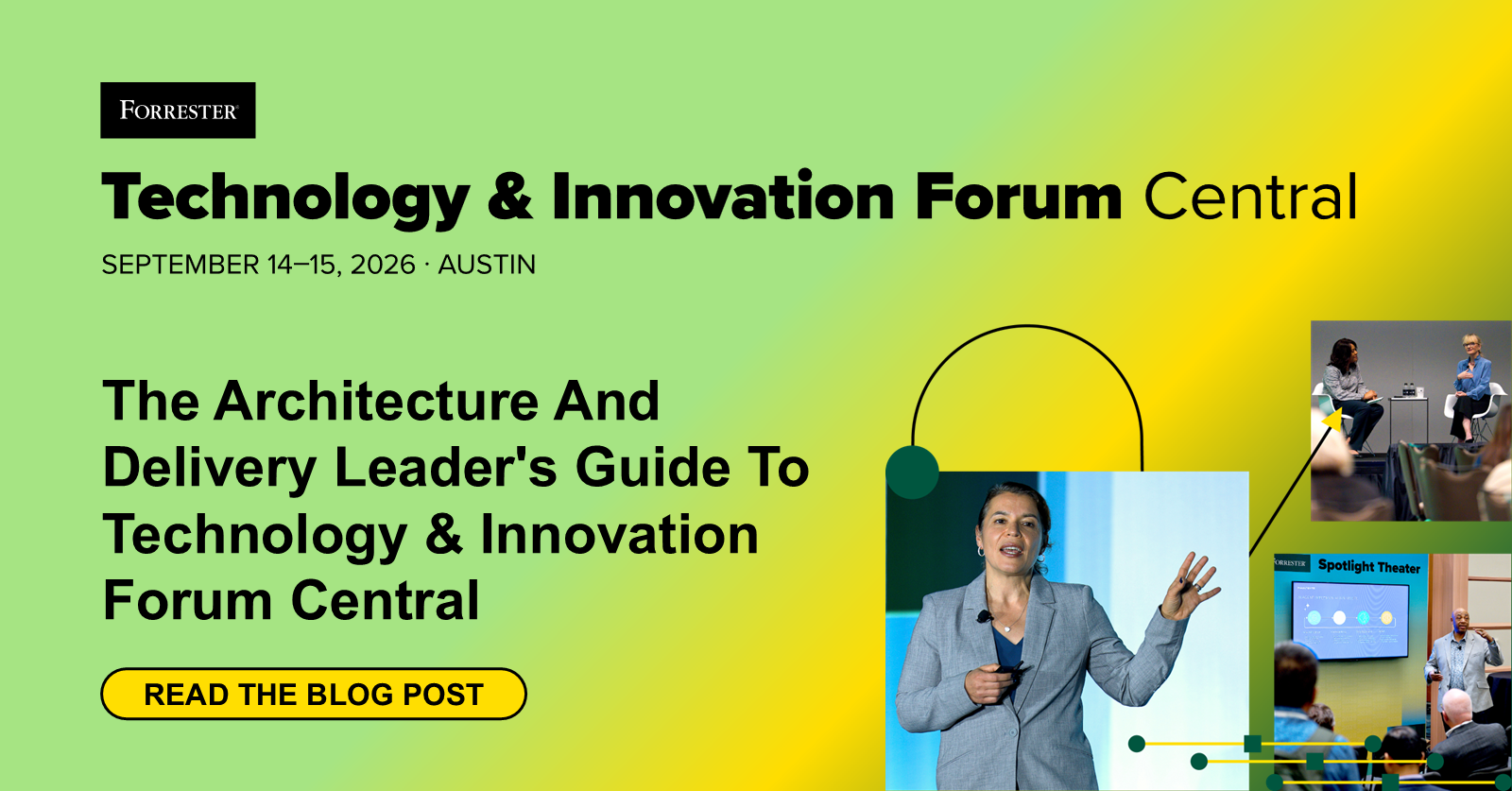
Architecture and delivery leaders face pressure to modernize platforms and support AI. The Technology & Innovation Forum Central in Austin offers sessions on strategy, data readiness, and execution.
Continue with
Architecture and delivery leaders are under pressure to modernize platforms, reduce technical debt, and support AI initiatives while keeping systems running. The challenge is figuring out how to make progress in an environment where complexity keeps growing.
Technology & Innovation Forum Central, taking place in Austin from September 14–15, 2026, is designed to help leaders navigate those realities, the organizers said. The packed agenda means success comes down to intentional choices about where to spend time.
Monday’s certification sessions provide a starting point for assessing organizational readiness in strategy, delivery, or AI adoption. One workshop tackles connecting technology decisions to business results. Technology leaders are increasingly expected to demonstrate impact, not just deploy systems, the forum materials note.
Many organizations discover that delivery bottlenecks are not caused by technology alone. Team structures and governance models can become just as limiting as outdated platforms. A session examines how technology organizations must evolve as AI transforms how work gets done. Before wrapping up the day, a Planview case study offers practical lessons from real-world examples.
Tuesday begins with a keynote on moving beyond AI pilots toward meaningful customer and business impact. For architecture leaders, the first major decision point comes during the 11 a.m. breakout sessions. One session focuses on enterprise architects helping organizations navigate AI adoption, guide modernization efforts, and enable business transformation without creating unnecessary friction. Another explores how infrastructure teams are evolving beyond traditional operational responsibilities to provide reusable capabilities that support agility and scalability.