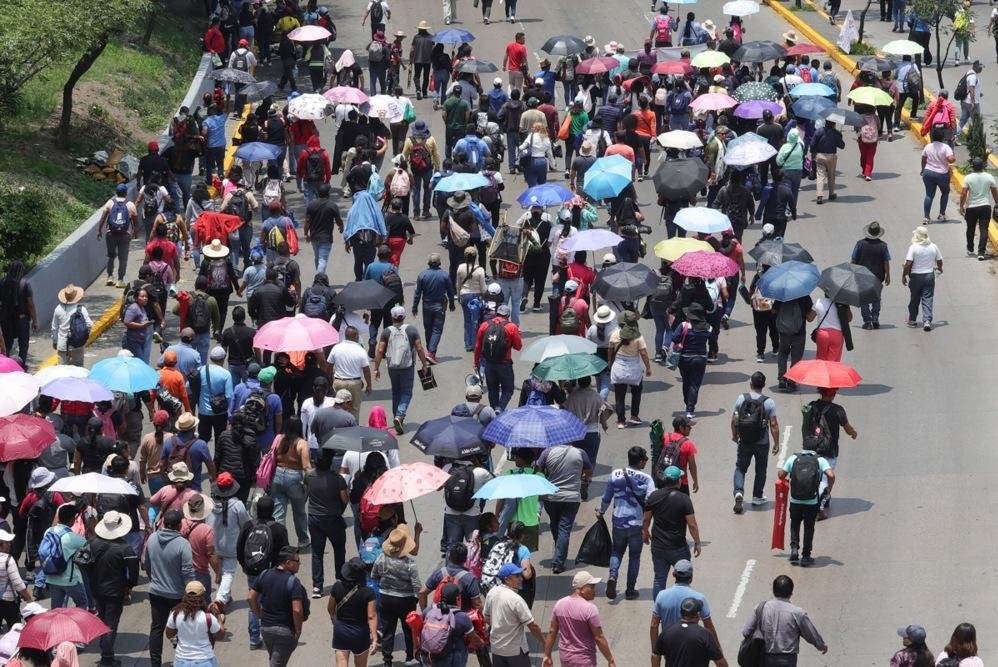
The Risk Event: A Strike at the Zócalo
Thousands of teachers from the National Coordinator of Education Workers (CNTE) are maintaining an encampment in Mexico City's historic Zócalo and blocking streets just days before the 2026 FIFA World Cup opening match. The strike, which the CNTE has declared indefinite, is aimed at pressuring President Claudia Sheinbaum's administration for higher wages and pension reforms. Negotiations remain deadlocked after the government's pension proposal was rejected as insufficient.
The protests are not abstract political theater. The Zócalo is the designated site for FIFA's official Fan Festival. Visitors must pass through the teachers' encampment and additional security checkpoints to access the event, according to TV Noticias Telemundo. The CNTE is also considering extending demonstrations to Azteca Stadium, which is scheduled to host the opening match Thursday.
The Government's Position
Sheinbaum has taken a measured public stance. "There are groups that want to provoke the Mexican government and are not necessarily teachers," she said during her daily news conference. "What they want is repression. They want the national headline to be 'Mexico represses teachers.' They are not going to get that." Interior Secretary Rosa Icela Rodríguez urged teachers to end the protests and continue negotiations, arguing that the demonstrations are affecting students, workers, merchants and tourism activity in the city center.
The Exposure: Tourism and Economic Activity at Stake
Mexico's World Cup hosting is not a minor event. According to tourism industry estimates, the tournament could generate as much as $3 billion in economic activity and attract more than 5 million international visitors. Mexico City, Guadalajara and Monterrey reported hotel occupancy rates of about 60% ahead of the tournament. Nelly Carrasco Godínez, secretary of Culture and Tourism for the State of Mexico, said the state expects to receive about 1.6 million visitors in small historic towns and tourist destinations promoted during the World Cup, with an expected economic impact of 1.4 billion pesos (about $80 million).
The Mechanism: Visibility as Leverage
The CNTE's strategy is straightforward. The World Cup creates a fixed, high-profile deadline. Disruptions during the tournament generate international media coverage that a routine protest in a non-event period would not. The teachers are using the tournament's visibility to force the government to negotiate from a position of urgency. The government, in turn, is trying to avoid the optics of repression during a global event.
Risk to watch: The CNTE's threat to extend protests to Azteca Stadium on match day would shift the disruption from inconvenience to a direct operational risk for FIFA and the Mexican government.
Timeline: The Next 72 Hours
The opening match is Thursday. The CNTE has announced that additional groups of teachers will join the protests this week. Sheinbaum called Monday for patience while awaiting decisions in the coming days and said she remains confident that the opening of the 2026 World Cup "will be very good, without repression."
What Would Confirm the Risk
- Encampment expansion to Azteca Stadium or other match venues
- Disruption of Fan Festival access that forces FIFA to relocate or cancel events
- Visible security incidents that generate international headlines
- Hotel cancellations or reduced occupancy rates reported by Mexico City, Guadalajara or Monterrey
What Would Weaken the Risk
- A negotiated settlement on wages or pension reform before Thursday
- Voluntary relocation of the encampment away from the Zócalo
- Government concessions that the CNTE accepts as sufficient
- Reduced protest turnout as the match approaches
Affected Assets: Who Bears the Exposure
Tourism and Hospitality
Hotels, restaurants, transportation providers and local businesses in Mexico City's historic center are directly affected. The encampment creates disruptions for tourists, residents and local businesses. If the protests persist through the tournament, the $3 billion economic impact estimate could prove optimistic.
FIFA and Event Organizers
FIFA's Fan Festival is the primary point of friction. If access remains compromised, the event's value as a fan experience diminishes. The CNTE's threat to target Azteca Stadium introduces match-day operational risk.
Mexican Government Bonds and Peso
While the protests are localized, sustained disruption during a global event can affect investor perception of political stability. The peso and Mexican sovereign bonds could face pressure if the situation escalates into visible confrontations or if the government is forced into a costly settlement.
The Better Market Read
The simple read is that a labor dispute is creating logistical headaches for a sporting event. The better read is that the CNTE has identified a narrow window of maximum leverage and is using it. The government's response – refusing to repress while refusing to concede – is a calculated attempt to wait out the protests without creating a martyr narrative.
The Positioning Dynamic
The teachers have a fixed deadline: the World Cup will end, and their leverage will decline sharply after the final match. The government has a fixed deadline: it must ensure the tournament proceeds without major disruption. The negotiation is a game of who blinks first. If the government offers a meaningful concession before Thursday, the protests likely de-escalate. If it holds firm, the CNTE must decide whether to escalate to match-day disruption or accept a smaller victory.
The Second-Order Effect
A prolonged standoff that generates international headlines about "Mexico repressing teachers" – exactly what Sheinbaum says she wants to avoid – could damage Mexico's brand as a tourism and investment destination. The $3 billion economic impact estimate assumes smooth operations. Every day of disruption reduces that figure.
What to Track Next
- CNTE announcements on whether protests will move to Azteca Stadium
- Hotel occupancy data from Mexico City, Guadalajara and Monterrey for the opening week
- Government statements on pension reform or wage negotiations
- FIFA statements on Fan Festival access or contingency plans
- Sheinbaum's daily news conferences for tone shifts on the protests
The opening match is Thursday. The next 72 hours will determine whether this is a pre-tournament disruption that fades or a persistent risk that shadows the entire World Cup.