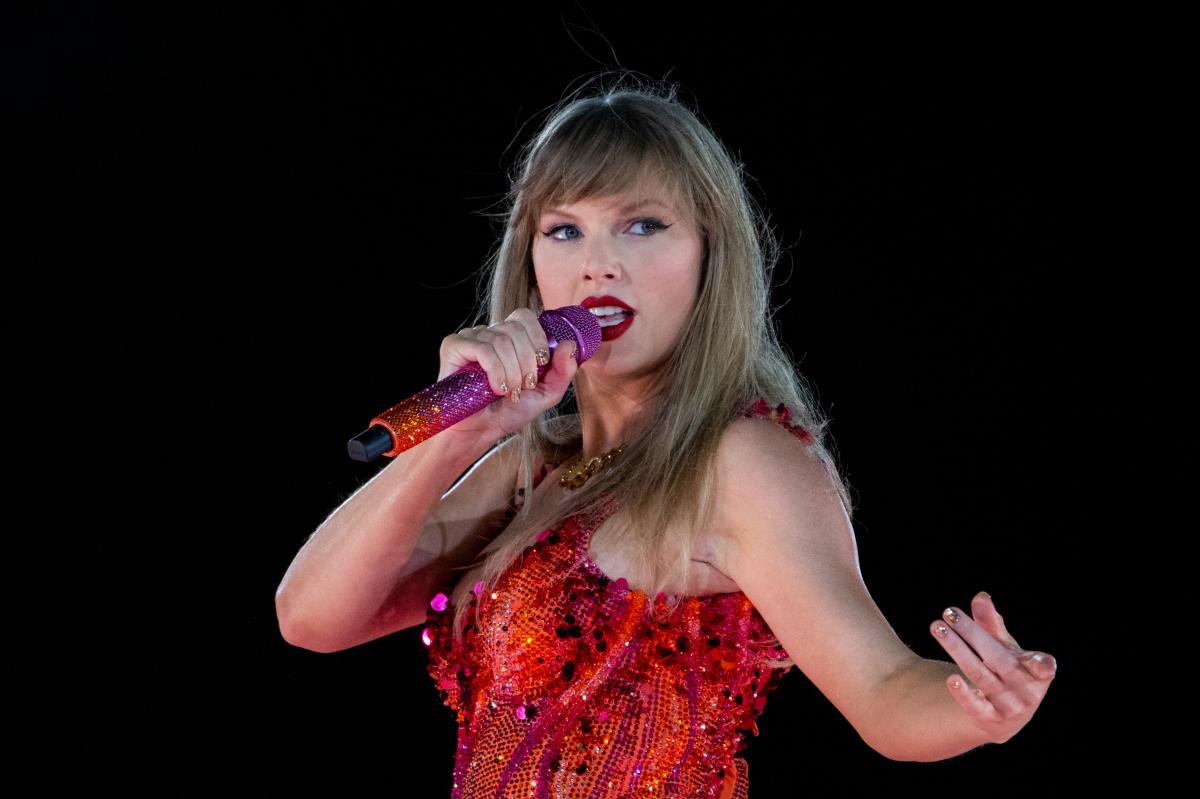
Taylor Swift has initiated a series of trademark filings covering specific audio clips and a personal image, marking a shift in how high-profile intellectual property holders are responding to the rise of generative artificial intelligence. By securing formal trademark protections for her voice and likeness, Swift is establishing a legal perimeter intended to deter the unauthorized use of deepfake technology. This move highlights a growing friction between individual brand control and the rapid advancement of synthetic media tools that can mimic human identity with increasing accuracy.
Intellectual Property as a Defensive Moat
The decision to trademark audio and visual assets serves as a preemptive measure against the commercial exploitation of AI-generated content. While copyright law has traditionally governed creative works, trademark protections offer a distinct advantage by allowing rights holders to challenge the use of their identity in commerce. This strategy suggests that the primary concern is not just the creation of deepfakes, but their potential to mislead consumers or dilute the value of an established brand. By formalizing these assets, the legal framework surrounding celebrity likenesses is being tested against the capabilities of modern machine learning models.
This development is likely to influence how other public figures and media entities manage their digital footprints. As AI models become more adept at replicating voices and visual styles, the reliance on traditional publicity rights may prove insufficient. The shift toward trademarking specific identifiers creates a more rigid standard for what constitutes an infringement. This approach provides a clearer path for litigation when unauthorized synthetic content appears in public or commercial spaces.
Broader Implications for Media and Tech
The intersection of celebrity branding and AI development has created a complex landscape for stock market analysis regarding media and entertainment companies. If these trademark filings succeed, they could set a precedent for how tech platforms manage user-generated content that utilizes AI to mimic famous individuals. Companies that rely on AI-driven creative tools may face increased scrutiny regarding the provenance of their training data and the output generated by their models.
Legal challenges involving AI-generated content are becoming a primary risk factor for firms operating in the generative space. The following points summarize the potential impact of this shift:
- Increased legal costs for platforms hosting AI-generated media.
- Stricter enforcement of identity rights across digital marketplaces.
- A potential slowdown in the deployment of AI tools that rely on public figure likenesses.
This trend aligns with broader concerns regarding the integrity of digital content. As Spotify Maintains Uniform Royalty Model Amid AI Content Proliferation, the industry is clearly grappling with the economic consequences of synthetic media. The effectiveness of Swift's strategy will likely depend on the willingness of courts to expand trademark protections into the realm of AI-generated mimicry. The next concrete marker will be the outcome of these specific trademark applications, which will serve as a bellwether for future legal battles between creative rights holders and AI developers.