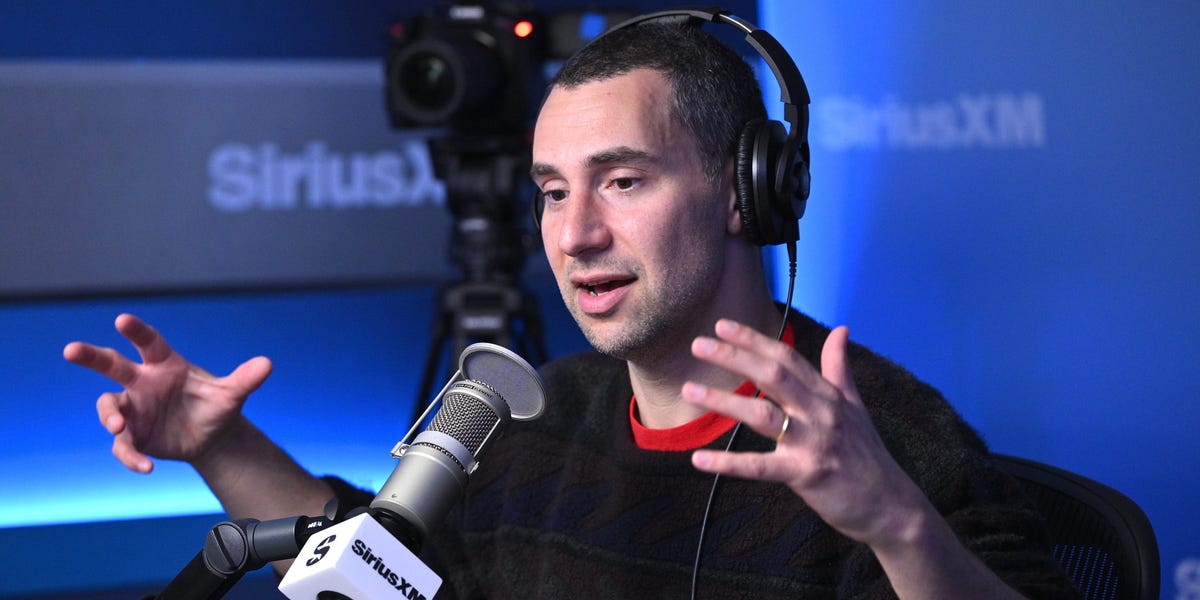
Jack Antonoff, the producer and songwriter behind Taylor Swift’s most commercially successful albums, told creators using artificial intelligence to make art to “drive right off that cliff.” The statement is not a casual tweet. Antonoff’s words are a direct challenge from the center of the music industry’s revenue engine at a moment when record labels and streaming platforms are quietly testing AI-generated tracks. For anyone tracking music-tech valuations, the comment shifts the risk calculus from hypothetical to personal. When a hitmaker with Antonoff’s catalog influence draws a hard line, the cost of betting on synthetic content rises.
The Antonoff Signal and Artist Resistance
The simple market read is that one opinion does not move stocks. The better read is that Antonoff’s rebuke crystallizes a legal and licensing risk that has been building since generative music tools became widely available. He described the traditional creative process as a “holy” artistic ritual, framing AI output as a violation of that ritual. That framing matters because it is not a technical objection about copyright law. It is a moral claim that can mobilize fan communities and artist coalitions. If influential creators refuse to normalize AI-generated music, the commercial path for these tools narrows. Platforms that have been exploring AI-driven playlist curation or synthetic artist creation may face slower adoption and louder public criticism. That friction can translate into delayed product launches and higher content-acquisition costs.
Streaming Platforms and the Licensing Risk
Spotify and Apple Music have not rolled out large-scale AI music features. Both have invested in machine-learning recommendation engines and have experimented with AI-generated audio. The broader music-tech ecosystem includes startups building text-to-music generators and labels using AI to clone artist voices. Antonoff’s comment does not name any company. It lands at a time when the Recording Industry Association of America and other trade groups are already pushing for stricter copyright protections against AI training on copyrighted works.
The practical question for the sector is whether artist resistance slows licensing deals. If major songwriters refuse to grant rights for AI training or derivative works, the data sets that power generative models become smaller and more legally exposed. That dynamic would hit the valuation case for AI-music startups and could cool venture funding into the space. For public streaming companies, the direct earnings impact is likely small in the near term. The indirect effect–tighter content rules and potential royalty disputes–could compress margins if platforms are forced to pay higher per-stream rates for human-made music to keep catalog owners on side.
Copyright Office Rulemaking Will Set the Cost Structure
The next decision point is not another celebrity quote. The Copyright Office rulemaking on AI-generated works and the outcome of pending lawsuits against AI music platforms will determine the cost structure. If regulators side with creators and require explicit licensing for training data, the cost structure for AI music tools changes materially. Antonoff’s comment is a signal that the artist lobby will not quietly accept a future where synthetic tracks compete with human-made recordings on the same playlists.
For those with exposure to music-streaming names or private AI-music ventures, the watchlist item is simple. Monitor whether major labels begin inserting AI-specific clauses into artist contracts and whether streaming platforms publicly commit to labeling AI-generated content. A shift toward mandatory disclosure would be the first concrete sign that the creative community’s resistance is reshaping the business model. Until then, the friction Antonoff just amplified is a slow-burning catalyst that makes the growth story in music-tech more expensive and less predictable.