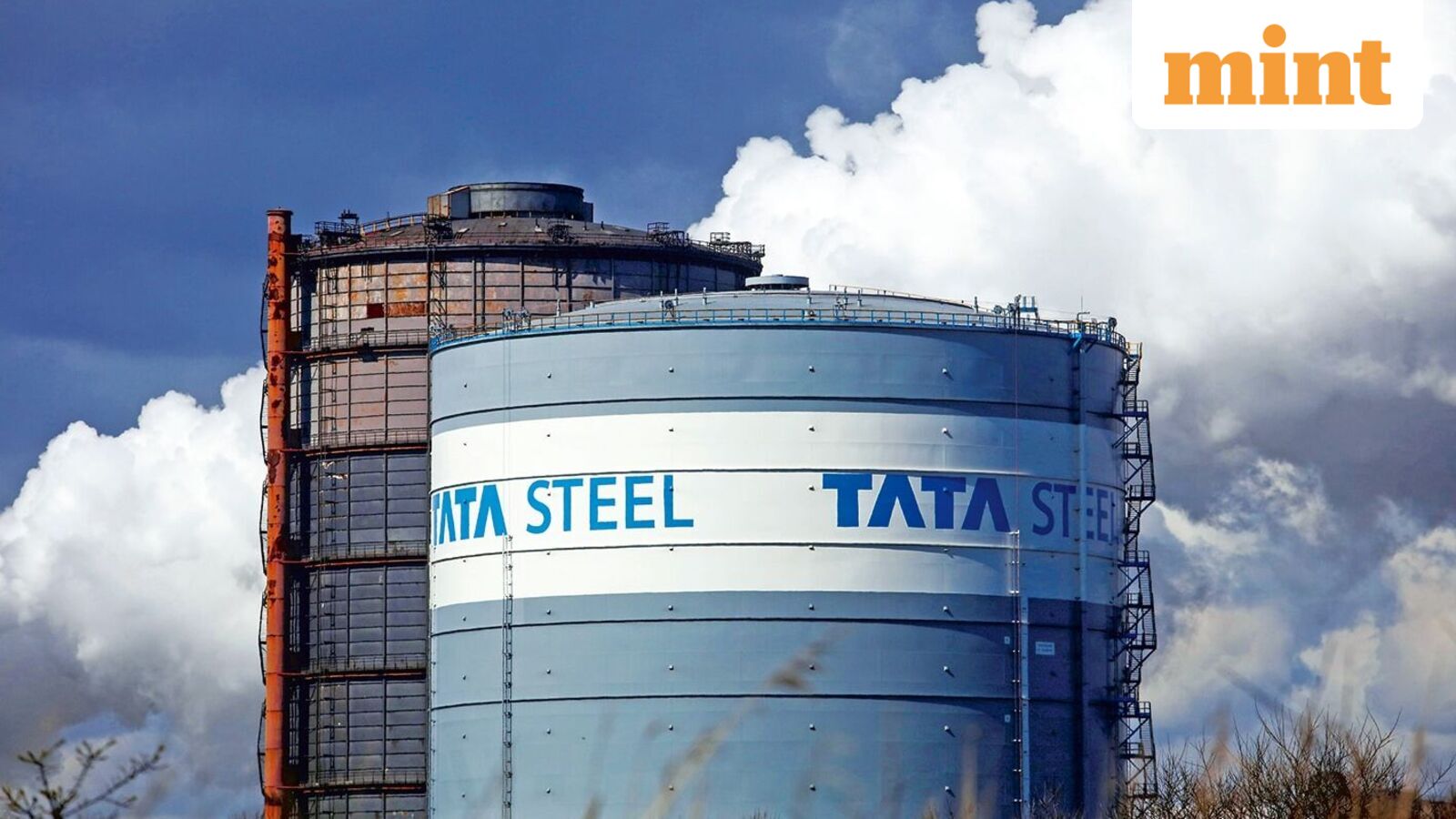
Tata Steel is initiating a strategic shift in its operational planning as the 2030 expiration date for critical iron ore mining leases approaches. The company has begun slowing its recruitment process for blue-collar roles and is actively communicating the potential for workforce transitions to its current staff. This move reflects the inherent uncertainty surrounding the renewal of mining rights, which serve as the primary upstream foundation for the company's steel production capacity.
Resource Security and Production Continuity
Iron ore remains the most significant variable in the cost structure for domestic steel production. The impending auction cycle for mining blocks creates a period of operational vulnerability where the company must balance current output requirements with the risk of losing access to captive mines. By curbing hiring now, the firm is attempting to manage its long-term fixed costs in anticipation of a potential shift in its supply chain architecture. The transition of personnel is a direct response to the possibility that future lease auctions may result in a different distribution of mining assets across the industry.
Operational Efficiency and Labor Allocation
The decision to signal potential job transitions serves as a mechanism to maintain organizational flexibility. As the company evaluates its footprint in the lead-up to 2030, the focus is on optimizing labor productivity to offset the potential loss of low-cost captive ore. This strategy is essential for maintaining margins if the company is forced to source raw materials from the open market or secure new leases at higher royalty rates. The labor force is being prepared for a period of structural adjustment that aligns with the lifecycle of these mining assets.
- Recruitment for blue-collar positions is currently under a slowdown.
- Management is providing advance notice regarding potential role shifts.
- Operational planning is now tethered to the 2030 lease expiration timeline.
For investors monitoring the broader industrial landscape, these developments mirror the challenges seen in other sectors where asset-heavy companies must navigate regulatory cycles. While the firm manages its internal labor dynamics, the broader commodities analysis suggests that supply chain security remains the primary driver of valuation for major steel producers. The company's ability to retain its current mining advantages will be the deciding factor in its cost competitiveness over the next decade.
AlphaScala data currently reflects a diverse range of sentiment across the broader market, with IRON stock page holding an Alpha Score of 48/100, AS stock page at 47/100, and KEY stock page at 70/100. These scores highlight the varying degrees of stability across different sectors as firms adjust to shifting regulatory and resource environments.
The next concrete marker for this transition will be the formal announcement of the auction schedule for the 2030 mining blocks. Market participants should monitor upcoming quarterly filings for further details on capital expenditure adjustments related to these lease renewals and any updates to the company's long-term labor strategy.