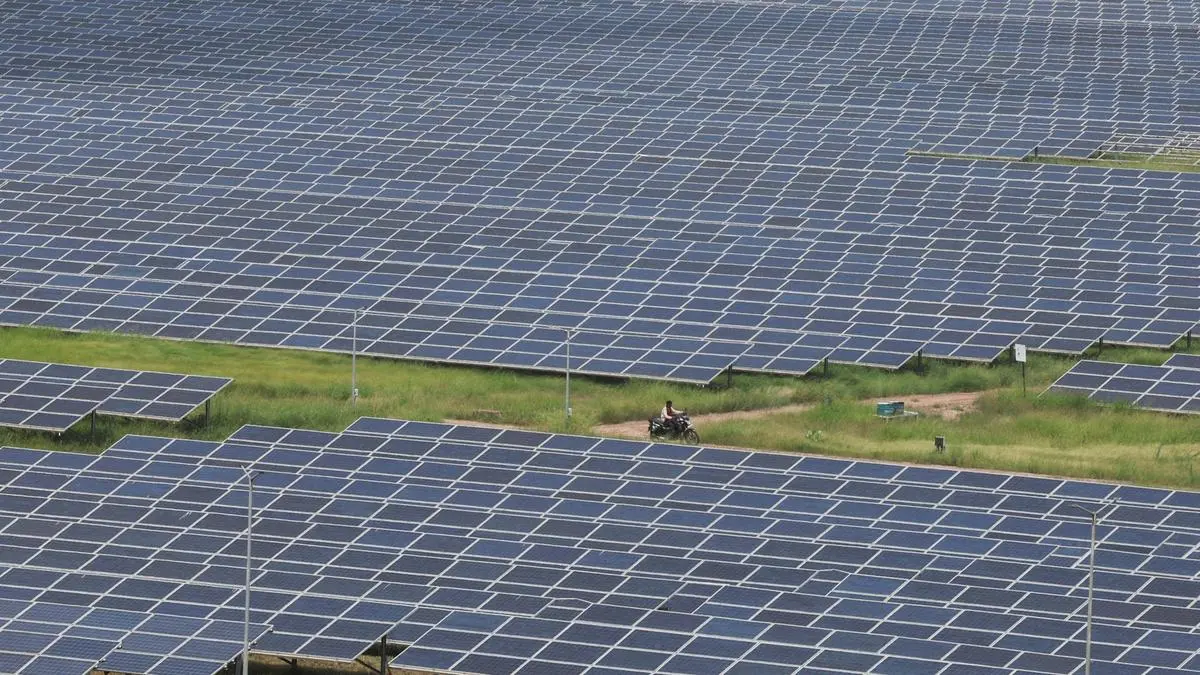
Tata Power has authorized a capital expenditure of ₹6,500 crore to expand its solar manufacturing footprint. The investment targets the production of photovoltaic ingots and wafers, marking a strategic pivot toward upstream vertical integration. By moving into the manufacturing of these core components, the company aims to reduce reliance on imported materials and insulate its renewable energy pipeline from global supply chain volatility.
Vertical Integration and Industrial Policy
The decision to manufacture ingots and wafers represents a significant shift in the domestic energy landscape. Historically, Indian renewable projects have relied heavily on imported cells and modules to meet aggressive installation targets. This investment suggests a move toward localizing the value chain, which aligns with broader industrial policies aimed at fostering domestic manufacturing capacity. The capital allocation reflects a long-term bet on the scalability of solar power as a primary energy source, prioritizing supply chain security over short-term margin optimization.
This expansion is part of a wider trend where large-scale energy providers are internalizing production to manage costs and project timelines. By controlling the manufacturing of foundational solar components, the company gains greater visibility into its cost structure and project delivery schedules. This is particularly relevant as global demand for renewable infrastructure remains high, often leading to bottlenecks in the supply of specialized components.
Market Context and Sectoral Impact
The move by Tata Power highlights the increasing capital intensity required to maintain competitive advantages in the renewable sector. As firms scale, the transition from project development to integrated manufacturing requires substantial balance sheet capacity and long-term planning. Investors are increasingly evaluating these firms based on their ability to manage large-scale industrial projects alongside their traditional utility operations.
AlphaScala data provides a view into the broader technology and industrial landscape, where supply chain resilience remains a key performance driver. For instance, ARM stock page currently holds an Alpha Score of 63/100, while ON stock page is rated at 45/100. These scores reflect varying degrees of sensitivity to global supply chain dynamics and industrial demand cycles. While these companies operate in different segments, the underlying theme of manufacturing autonomy is a recurring factor in market analysis.
Next Steps for Capital Deployment
The immediate focus for the market will be the timeline for facility commissioning and the procurement of the necessary technology to produce high-efficiency ingots and wafers. The success of this investment will be measured by the company's ability to achieve cost parity with global suppliers while maintaining the quality standards required for large-scale utility projects. Future filings will likely provide clarity on the debt-to-equity mix used to finance this expansion and the expected impact on the company's overall return on capital employed. The progression of this project will serve as a bellwether for the viability of large-scale domestic solar manufacturing in the current interest rate environment.