Stocks● Neutral
Tata Motors slides 80% on JLR costs, vows spending stays on track
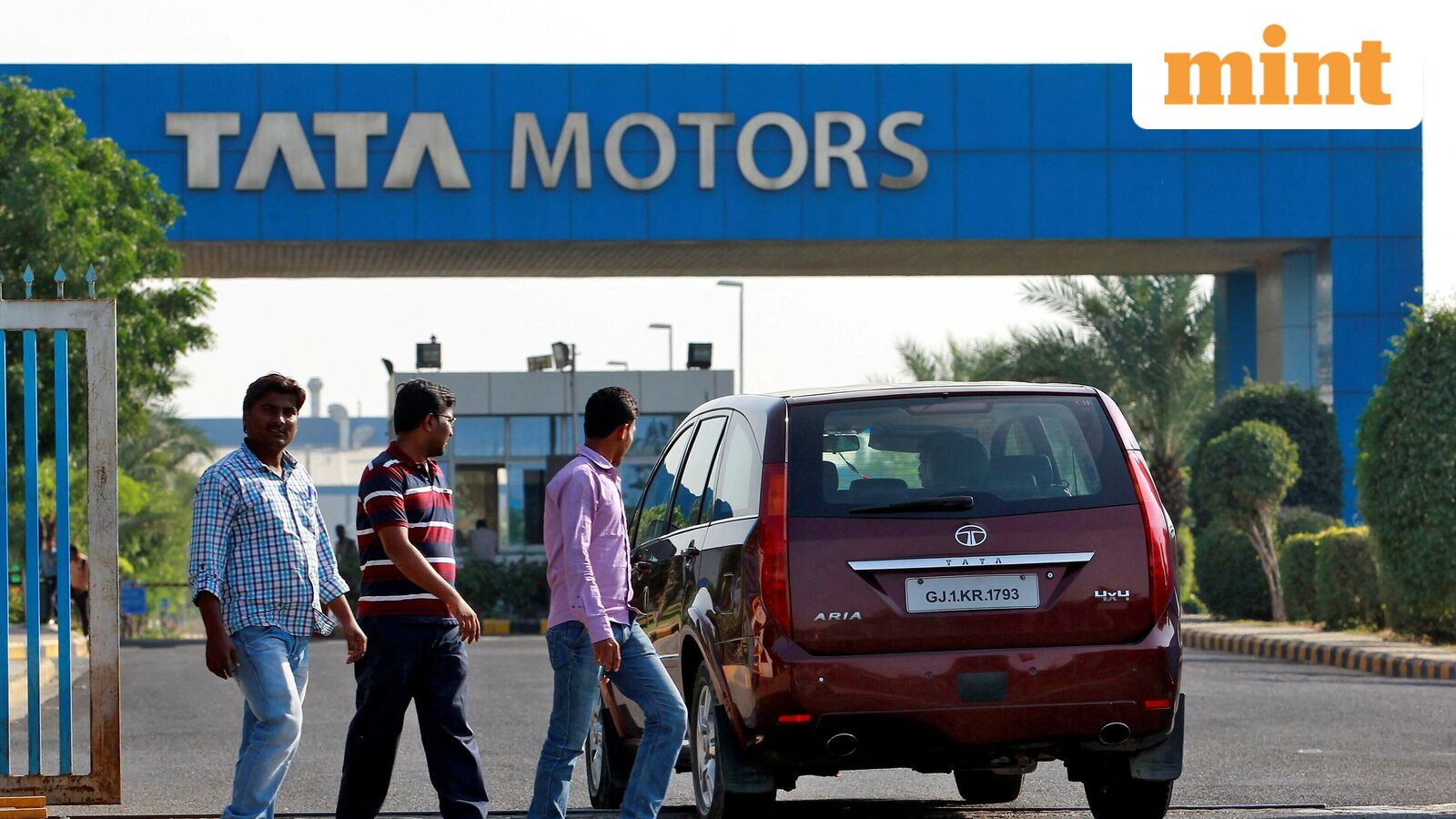
JLR supply woes and commodity costs drove an 80% Q1 profit drop. CEO Chandra says the 350 billion rupee investment plan through FY30 stays on track after Chandrasekaran's exit.
Continue with
Tata Motors on Thursday posted an 80% slide in first-quarter profit, dragged by supply chain disruptions at its Jaguar Land Rover unit and rising raw material costs. Management said planned investment spending of up to 350 billion rupees through fiscal 2030 will not change despite the exit of parent Tata Sons Chairman N. Chandrasekaran.
Chandrasekaran, 63, said Wednesday he would not seek reappointment as chairman of Tata Sons, citing a lack of board support after tensions with the group's charitable trust. Tata Motors is the first Tata group company to publicly address the leadership vacuum. Chief Executive Shailesh Chandra told analysts the automaker has a clear strategy and a strong management team focused on execution. "We will remain fully focused on driving growth and creating sustained value for our stakeholders," he said.
The company's luxury JLR unit, which generates roughly 80% of passenger-vehicle revenue, is wrestling with a fire at a major components supplier, Middle East-related shipping disruptions, and the planned phase-out of older Jaguar models. Chandra warned that commodity price pressure would persist through September. "The second quarter is going to hit us badly," he said. "Not just us, but the whole industry will get hit."