Commodities● Neutral
Tata Motors, MG split with peers as India's CAFE credit plan hits snag
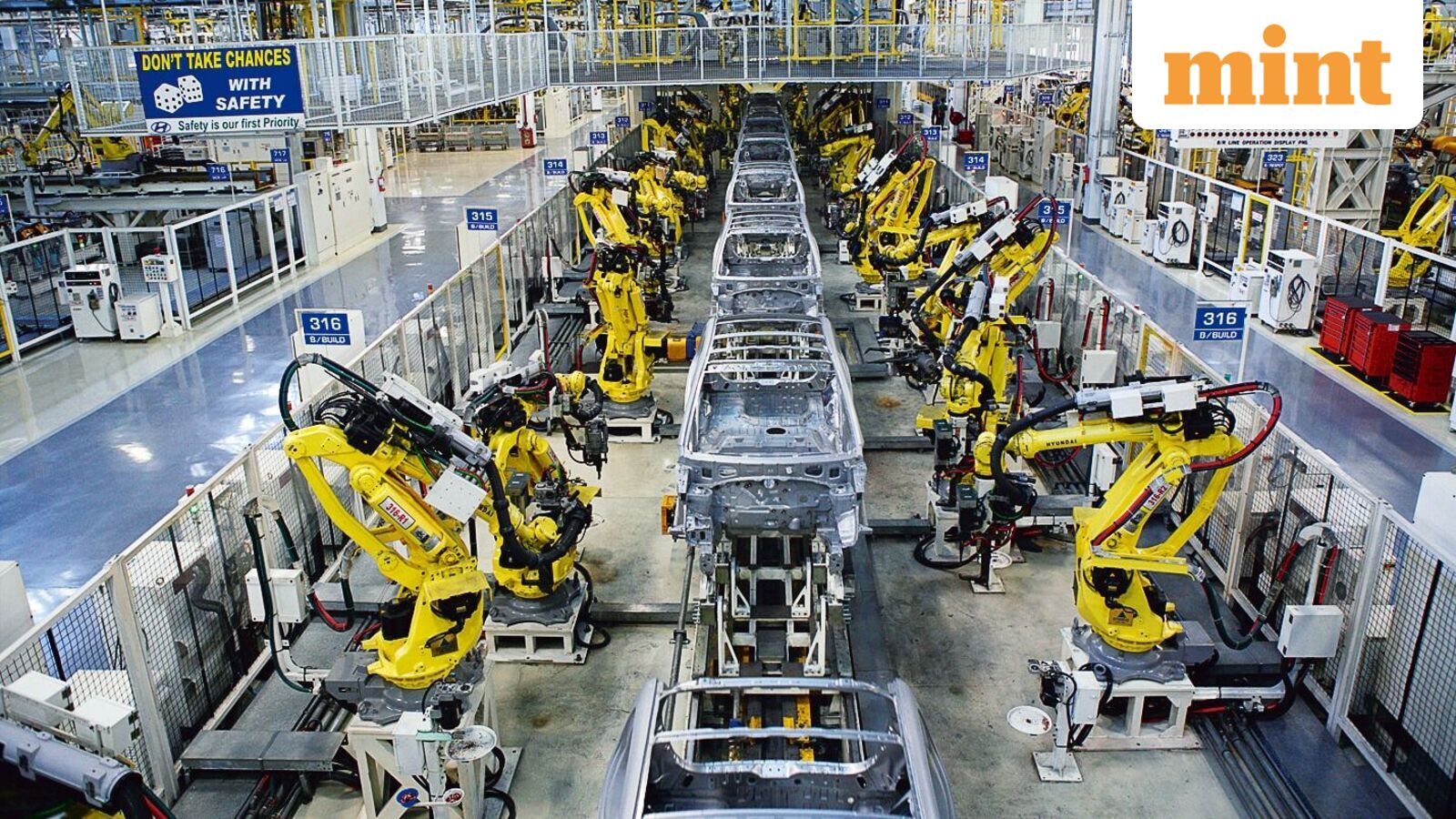
Tata Motors and JSW MG oppose a government plan to let laggards buy fuel-efficiency credits cheaply from the regulator, splitting the auto industry and risking a delay in CAFE rule changes.
Continue with
Tata Motors Passenger Vehicles and JSW MG Motor India have broken ranks with the rest of India's auto industry over a government proposal to let carmakers that missed fuel-efficiency targets buy credits cheaply from the regulator, four executives familiar with the development said. The split could delay changes to the Corporate Average Fuel Efficiency (CAFE) rules, with the next round of stricter norms set to begin in nine months.
The government's draft, released earlier this month, would introduce a credit-debit system for the ongoing CAFE 2 regime, which started in 2022. Carmakers that exceeded emission targets could sell surplus credits to peers in bilateral trades, or buy credits directly from the Bureau of Energy Efficiency (BEE) at a flat ₹2,500 per gram of CO2 per kilometer. Those credits would go into a compliance passbook. Non-compliance carries a penalty of ₹5,000 per gram.
Tata and MG oppose the retrospective application of the mechanism, arguing it changes the rules late in the game. "It is like changing the rules of a match in the fourth innings," an executive said. Companies that invested in compliance and built surplus credits to trade would lose out, the executive added. Tata wrote to the power secretary on July 14, saying the BEE should not sell credits. "If Credits can be created by BEE merely against payment, without any corresponding improvement in emission, such Credits would not have the same character," Tata said in its letter.