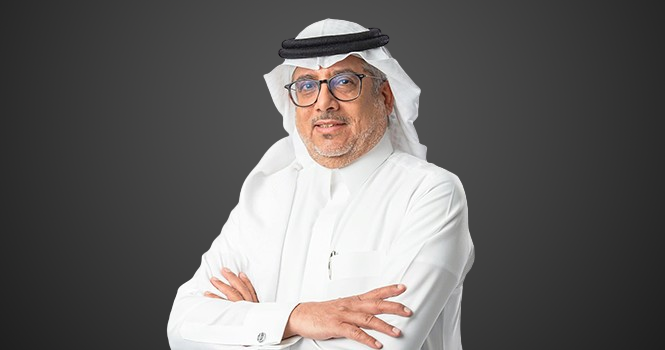
Shipping and distribution costs for National Industrialization Co. (Tasnee) more than tripled over the past period, CEO Fawaz Al Fawaz told CNBC Arabia. Freight rates climbed from roughly $50 per container to over $250 on some routes, he said.
The jump hit Tasnee’s liquid materials segment hardest – more than 60% of its cost increase came from shipping, according to Al Fawaz. The company posted a net loss of SAR 889.1 million for the first half of 2026, reversing a SAR 830 million profit a year earlier. Second-quarter losses alone reached SAR 547.8 million.
Al Fawaz tied the poor results to three factors: scheduled periodic maintenance that ran from late Q1 into early Q2, regional geopolitical tensions, and the supply chain disruptions that drove up input prices. He said Tasnee expects to bring all plants back to full production within two months.
Cash flows also took a hit. Tasnee is working to restructure some of its existing loans. Total debt at the parent level stands at SAR 5.3 billion – SAR 1.1 billion from the Saudi Industrial Development Fund (SIDF) and SAR 4.9 billion from commercial banks. Consolidated borrowing across Tasnee and its subsidiaries reaches SAR 8.1 billion, including SAR 1.7 billion from SIDF and SAR 6.3 billion from banks. Al Fawaz described those levels as reasonable.
The domestic market accounts for only 13% to 15% of Tasnee’s product sales, leaving the company heavily exposed to international freight rates and global demand.
What would reduce the risk: successful plant restarts within the two-month window, lower ocean freight rates as supply chains normalize, and completion of the loan restructuring. A de-escalation in regional tensions would also remove one layer of cost pressure.
What would worsen it: extended plant downtime, a further spike in shipping costs, or new geopolitical disruptions that hit export routes. A sustained rise in raw-material input prices would compound the margin squeeze.
Al Fawaz said the company’s debt load remains manageable. The restructuring talks are ongoing.