Commodities● Neutral
Tasmanian farm standstill after PFAS, sewage pollution
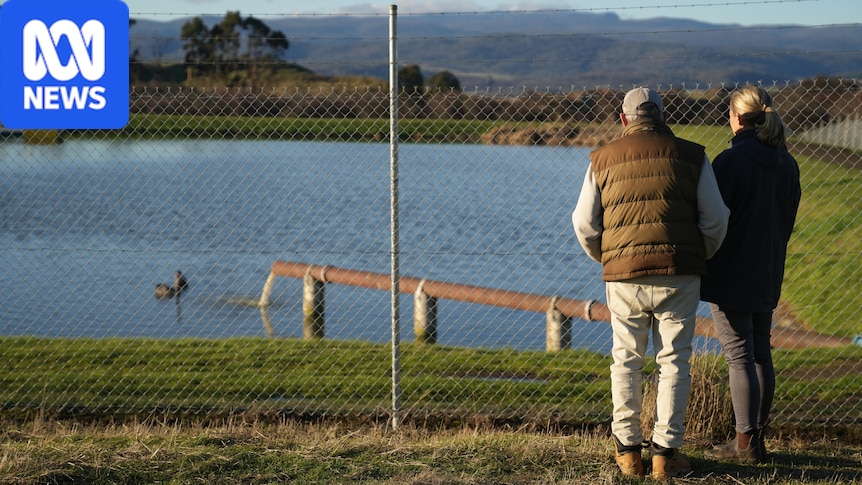
A fifth-generation Tasmanian farm is at a standstill after sewage flows at three times design capacity and PFAS contamination left waterways unusable. Regulators do not oversee the plant.
Continue with
Kate Tucker's fifth-generation family farm in northern Tasmania is at a standstill after contamination from sewage and PFAS chemicals left its waterways unusable for stock or crops.
The 160-hectare property outside Launceston, called The Springs for the water that was once its greatest resource, now faces what Tucker called "incredibly stressful" conditions. For the first time in five generations, the farm is not operating.
A nearby lagoon-based sewage treatment plant owned by TasWater receives all waste from the Launceston Airport, nearby households, and the TRANSLink industrial precinct. The plant was designed to process fewer than 100 kilolitres of sewage a day. Documents show it received an average of 329 kilolitres a day in 2024-2025, more than three times its design capacity. Treated waste flows into a creek on the property and then into the North Esk River.
Tucker worries the high flow reduces the waste's settlement time and thus the treatment quality. TasWater chief scientist Graham Hawke said the plant's treatment does not involve screening or grit removal but relies on "floating wetlands" and UV light from the sun. He called it "a bit like a natural compost heap, but underwater."
Hawke said TasWater's priority was investing in larger treatment plants while using innovation to improve smaller ones. The plant is not due to be decommissioned for about a decade, after which sewage would be redirected to the Evandale plant.
The Western Junction plant is one of 33 across Tasmania classified as level one, designed to treat under 100 kilolitres per day. The state's Environment Protection Authority does not regulate these facilities, even when they receive far more than that. Regulation falls to local councils. The Northern Midlands Council has never issued the plant an environmental protection notice.
"These environmental protection notices, they're a critical tool for holding polluters to account," said Lucy Tremain, freshwater campaigner for Environment Tasmania. Without one, she said the regulations were "oblique."