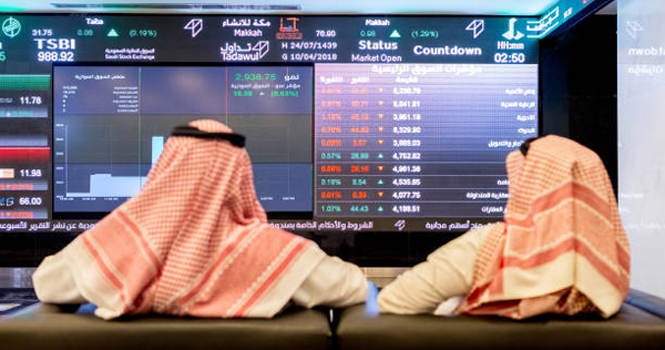
Seven TASI stocks hit intraday lows since their debuts on May 17. The rare cluster signals broad selling pressure and sets up a key decision point for the Saudi index.
Seven TASI-listed companies fell on May 17 to their lowest share prices since their respective stock market debuts, according to data compiled by Argaam. A single stock hitting a post-IPO low is common. Seven doing so on the same session is not.
A multi-name drop to debut lows suggests the selling is not stock-specific. It points to a shared pressure: sector rotation, macro headwinds, or a shift in liquidity. For the Saudi stock market, which has hosted a wave of IPOs over the past two years, this signal carries a broader read-through. If the seven names come from similar sectors – real estate, financials, or consumer – the market may be re-pricing those industries as a group. Even without knowing the names, the sheer count is informative.
The better market read involves two mechanisms. First, a stock at its lowest level since listing means every buyer from the IPO onward is holding an unrealized loss. That creates overhead supply. Any bounce runs into sellers trying to break even. Second, the cluster flags the potential for a stop-loss cascade. If institutions hold these names and face margin or redemption pressure, the selling can accelerate. For the Tadawul as a whole, a broadening set of new lows warns that risk appetite is narrowing.
The strongest test for this signal will come in the next two to four weeks. If the seven stocks stabilize on rising volume, the cluster may represent a washout – a bottom for those names. If the list expands, or if the same stocks continue to slide without volume drying up, the selling reflects a structural drain rather than a tactical exit.
The decision point for TASI watchers is whether the cluster is sector-concentrated or broad. For comparison, SIDC Ceramics recently tied its revenue to the Saudi housing push via a National Housing Company deal – a positive catalyst that contrasts with the negative picture above. Amlak renewed a SAR 1.06 billion SAIB facility, signaling credit access in the mortgage sector. These are the kinds of company-specific moves that can reverse a post-IPO decline if the broader environment cooperates.
Traders should also watch for Saudi Capital Market Authority commentary or corporate actions. Share buyback approvals, like the 750,000-share buyback approved by Hedab Alkhaleej shareholders, can provide a floor for beaten-down stocks. Without such support, the seven debuts lows remain a warning that the IPO pipeline may face pricing pressure.
The next concrete marker is the index reaction on the next TASI session. If the seven stocks bounce while the index holds support, the cluster is a bottoming pattern. If they drag the index lower, the signal is a sell for the broader market.
Prepared with AlphaScala research tooling and grounded in primary market data: live prices, fundamentals, SEC filings, hedge-fund holdings, and insider activity. Each story is checked against AlphaScala publishing rules before release. Educational coverage, not personalized advice.