Stocks● Neutral
Saudi Enaya, SEDCO Capital, Bonyan REIT Hit 52-Week Highs
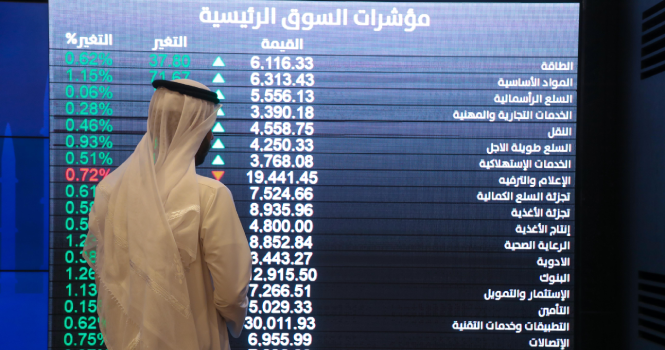
Saudi Enaya, SEDCO Capital REIT, and Bonyan REIT hit 52-week highs on May 17. The move tests valuation logic in insurance and real estate sectors.
Continue with
Three TASI-listed names touched 52-week highs on May 17: Saudi Enaya Cooperative Insurance Co., SEDCO Capital REIT Fund, and Bonyan REIT Fund. The move puts each name at a valuation level not seen in the prior 12 months, creating a clear decision point for holders and potential entrants.
Why the 52-Week Highs Matter Now
A 52-week high is a price-relative signal, not a fundamental one. For Saudi Enaya, the insurance sector has been under structural pressure from claims ratios and regulatory capital requirements. A new high here suggests either a shift in underwriting performance expectations or a rotation into defensive, dividend-yielding names. For the two REITs – SEDCO Capital REIT and Bonyan REIT – the catalyst is likely tied to the broader Saudi real estate and infrastructure push. Both funds hold assets that benefit from the National Housing Company (NHC) delivery pipeline and the government's target of 70% homeownership by 2030.
The Insurance and REIT Sector Read-Through
Saudi Enaya operates in a crowded cooperative insurance market where pricing discipline is thin. A 52-week high in this environment usually reflects either a specific corporate action (capital restructuring, dividend hike) or a sector-wide re-rating on lower claims frequency. Without a company-specific announcement on May 17, the move is best read as a liquidity-driven push into smaller-cap names with low float. SEDCO Capital REIT and Bonyan REIT share a similar dynamic: both have limited daily turnover, so a single large buyer can push units to new highs quickly. The REIT sector also benefits from the Saudi Central Bank (SAMA) rate trajectory. If rate cuts materialize in H2 2025, REIT valuations would get a mechanical lift via lower discount rates on rental income streams.