Stocks● Neutral
TASI: Three Stocks Hit 52-Week Highs in One Session
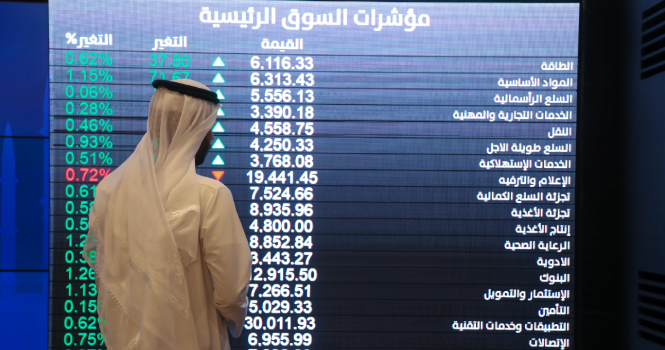
Cluster of three TASI stocks hitting 52-week highs on June 4 is rare. The signal needs follow-through volume and sector context to avoid a false breakout.
Continue with
Three TASI-listed stocks reached 52-week highs on June 4, according to data compiled by Argaam. The simultaneous occurrence is uncommon and creates a screening opportunity for traders watching the Saudi index. Without company names or sector data in the source, the signal must be interpreted through index mechanics and liquidity patterns.
The simple interpretation treats a 52-week high as a confirmation of momentum. Many traders use it as a trigger for long entries. The better market read is more cautious. A 52-week high is a lagging indicator. It reflects past price action, not future direction. The question is whether the breakout is supported by rising volume and a broader sector rotation.
What a 52-Week High Cluster Signals on TASI
A single stock hitting a 52-week high is routine. Three stocks doing so on the same day is a statistical outlier. That rarity demands attention. The cluster could indicate institutional buying concentrated in a specific sector. It could also reflect a short squeeze on overleveraged names. Without sector data, the safest approach is to treat the event as a filter for further research.
TASI has traded in a narrow range over recent weeks. The index lacked a clear directional catalyst after the OPEC+ meeting and ahead of the Saudi budget update. A simultaneous 52-week high print from three names suggests that internal market dynamics are shifting. The June 4 date falls between two macro events, making company-specific drivers more likely than a broad macro move.
Why This Session's Volume and Sector Data Matter
The signal gains meaning when paired with volume data. A 52-week high on heavy volume is a stronger confirmation than one on light volume. Traders should check the daily volume for each of the three stocks on June 4. If the volume exceeds the 20-day average, the move has higher conviction. If volume is below average, the high may be an exhaustion move.