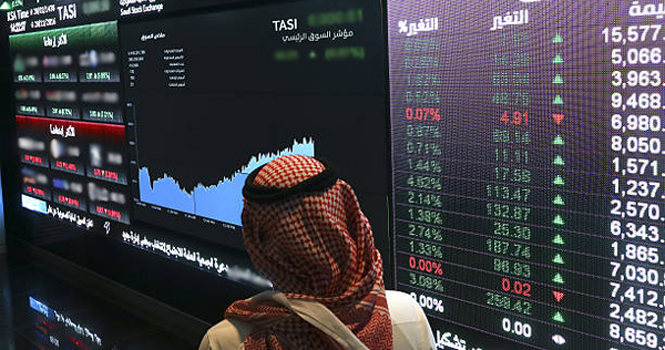
Fourteen of 29 TASI firms posted profit growth in Q1. Seven reported losses and eight saw declines, setting up a repricing test as the May 12 filing deadline looms.
Twenty-nine Tadawul-listed companies released first-quarter 2026 financials on May 11, one day before the regulatory filing deadline. The batch delivered a split picture: 14 firms reported profit growth, eight posted a decline, and seven swung to a loss. The concentrated release shifts attention to the final hours of the reporting window and the repricing that often follows a last-minute data dump.
The May 11 cluster is not unusual for the Saudi exchange. Companies that wait until the final permitted day often share a common trait: their results are more likely to contain negative surprises or complex adjustments that require extra preparation. Firms with clean, positive results typically report earlier in the cycle. The final-day rush frequently includes names that needed extra time to finalize accounts, address auditor queries, or structure disclosures around one-time charges. The seven loss-making disclosures in this batch reinforce that pattern. When nearly a quarter of the day’s filers report losses, the aggregate signal is weaker than a simple majority of profit growers would suggest.
Traders who track TASI seasonality know that the index can absorb a handful of disappointments early in the reporting cycle without much damage. A concentrated wave of negative prints on the last day, however, tends to trigger sector-level reassessments. The eight profit decliners add to the pressure, because they represent companies where earnings momentum is deteriorating even if the bottom line remains positive.
Without company-level detail, the raw count of 14 profit growers against 15 firms that either declined or lost money frames a market where earnings expansion is not broad-based. The Tadawul All Share Index has drawn support this year from banking and materials names. If the loss-makers and decliners are concentrated in rate-sensitive or consumer-facing sectors, the read-through for index direction becomes more cautious. Sectors like retail and real estate, where consumer spending and interest rates are headwinds, could see further earnings compression if the negative surprises cluster there.
The simple read is that more companies grew profits than not. The better market read is that the combined weight of the decliners and loss-makers may exceed that of the growers if the negative surprises hit larger-cap names. Index-level price action on May 12 will reveal whether the market had already priced these outcomes or is now scrambling to adjust.
The May 12 cutoff means any company that has not yet filed must do so by end of day. Late filers occasionally request extensions, which themselves can signal audit delays or internal control issues. For traders, the immediate decision point is whether to fade the initial reactions to the May 11 batch or wait for the full picture after the deadline passes.
Liquidity on the Tadawul tends to thin in the final hour before a regulatory deadline. Market makers and institutional desks often pause to assess the complete earnings set, reducing two-way flow. That thinning can amplify moves in individual names that missed or beat expectations. The seven loss-making firms may face forced selling from funds with mandates that restrict holding unprofitable companies, creating a mechanical overhang that outlasts the initial headline reaction. The Tadawul All Share Index has been range-bound in recent weeks; a cluster of negative surprises could test support levels that held during the early part of earnings season.
The next concrete marker is the May 12 close. If additional filings land before the bell and the ratio of profit growers to loss-makers improves, the index could recover any early weakness. If more losses surface, the aggregate earnings growth rate for the quarter will compress further, shifting the valuation conversation for the entire market.
Drafted by the AlphaScala research model and grounded in primary market data – live prices, fundamentals, SEC filings, hedge-fund holdings, and insider activity. Each story is checked against AlphaScala publishing rules before release. Educational coverage, not personalized advice.