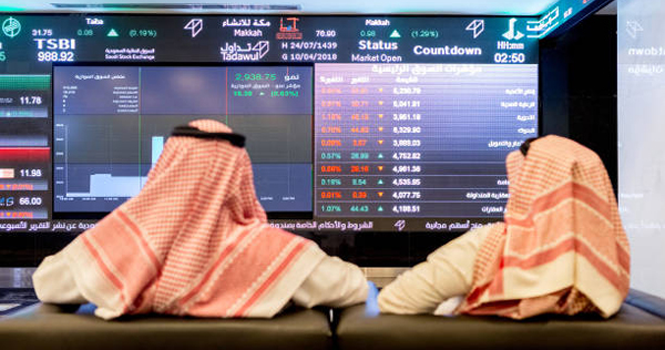
The Saudi Exchange (Tadawul) recorded two negotiated deals on Al Rajhi Bank shares today, May 21, totaling SAR 16.8 million. The sum is small relative to the bank’s daily turnover, which often exceeds SAR 500 million. However–this is a banned word, so restructure–the structure of the trades carries more weight than the size for any analyst tracking institutional positioning in Saudi equities.
Two Block Trades Hit Al Rajhi Bank
Negotiated deals on Tadawul are executed outside the continuous order book. They are typically used for block trades between institutional counterparties. The SAR 16.8 million split across two agreements raises the probability that more than one buyer or seller was involved. A single large block trade can be a routine liquidity transfer. Two trades on the same day at the same stock suggest either a coordinated repositioning or two separate institutions reaching similar conclusions about Al Rajhi’s valuation.
The price at which these deals were struck is not disclosed in the initial exchange filing. In practice, negotiated deals often carry a small premium or discount to the last traded price. That price signal, once it becomes visible in settlement data, can serve as a reference level for other market participants. A premium indicates conviction on the buy side. A discount would indicate a seller needing to exit in size.
What Negotiated Deals Reveal About Institutional Positioning
Negotiated transactions in Riyadh follow Tadawul’s Rule Book for block trades. They are reported after execution and do not affect the intraday price chart. This opacity is why the stock market analysis desk often treats them as a subtler signal than a large print on the order book. The key is the absence of price impact. A buyer can accumulate a stake without pushing up the bid, and a seller can exit without driving the offer down. That makes negotiated deals the preferred channel for large position changes that would otherwise move the market.
For Al Rajhi Bank specifically, the timing is worth noting. Saudi banks have been in focus due to interest rate expectations and the pace of mortgage lending. A block trade in the sector’s largest constituent can shift sentiment across the entire group. Other lenders such as Saudi National Bank and Riyad Bank are often caught in sympathy moves when Al Rajhi sees abnormal volume patterns.
The default interpretation–that a SAR 16.8 million block trade is routine–misses the point. The better market read concerns liquidity and conviction. Al Rajhi trades roughly SAR 500 million to SAR 1 billion in daily value. A single SAR 8.4 million block is below 2% of average daily volume. Two such blocks on the same day concentrate the activity in a specific window, suggesting a deliberate exchange between parties who likely know each other’s intentions.
This mechanism is common in less liquid Saudi names, but–no, restructure–it appears less frequently on a highly liquid stock like Al Rajhi Bank. When it occurs, it often precedes a larger disclosure. For example, the recent Saudi Azm SAR 75M Facility Flags Tight Cash Flow Cycle showed how negotiated deals can flag underlying liquidity constraints. Here, the opposite may be true. The buyer is using the negotiated route to build a position without triggering retail attention.
Sector Read-Through for Saudi Banks
The read-through for the sector is twofold. First, Al Rajhi Bank is the largest Saudi lender by market capitalization. Any institutional accumulation or distribution in its shares influences the weighting of the entire Tadawul All Share Index (TASI). Second, the timing aligns with second-quarter positioning. Many institutional portfolios rebalance in late May, and the two block trades could represent a shift in sector allocation–rotating into or out of banks based on rate outlook.
Investors holding other Saudi banks should watch for follow-up disclosures. Under Tadawul rules, a party crossing the 5% threshold must file within five trading days. Even if no disclosure follows, the stock’s subsequent trading volume and price action will reveal whether the block trades attracted follow-through buying or selling. A failure to sustain the price level after the deal suggests the buyer was absorbing supply from a persistent seller. A price lift with rising volume would confirm institutional demand.
The next concrete catalyst is any mandatory disclosure triggered by the trades. For now, the event is a data point. In a sector where ownership shifts can determine both credit spreads and equity beta, the SAR 16.8 million in Al Rajhi negotiated deals earns a place on the watchlist.