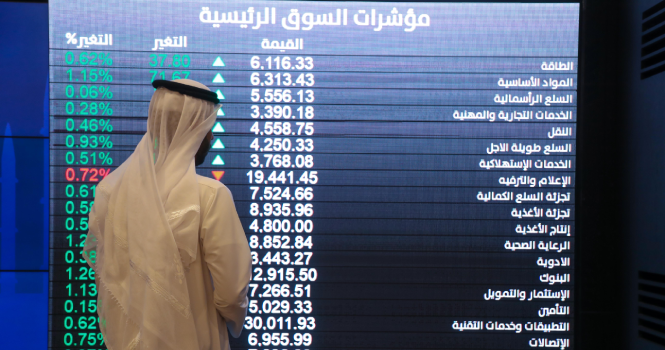
TASI Momentum Broadens as Six Equities Reach 52-Week Highs

Six TASI-listed companies reached 52-week highs today, signaling a shift in market breadth and investor confidence in specific corporate growth narratives.
Alpha Score of 47 reflects weak overall profile with moderate momentum, poor value, moderate quality. Based on 3 of 4 signals — score is capped at 90 until remaining data ingests.
Alpha Score of 45 reflects weak overall profile with strong momentum, poor value, poor quality, weak sentiment.
Alpha Score of 57 reflects moderate overall profile with poor momentum, strong value, strong quality, moderate sentiment.
Alpha Score of 46 reflects weak overall profile with strong momentum, poor value, poor quality, moderate sentiment.
The Saudi Exchange (TASI) experienced a notable shift in market breadth today as six listed companies reached 52-week highs. This concentration of strength suggests that investors are increasingly favoring specific growth narratives within the local market, moving beyond index-level movements to reward individual corporate performance. The arrival of these equities at new annual peaks often serves as a technical signal for institutional rebalancing and increased liquidity flow into established winners.
Sectoral Divergence and Capital Allocation
The emergence of new highs across a diverse set of companies indicates that capital is not restricted to a single sector. Instead, the market is demonstrating a willingness to price in long-term operational success for firms that have successfully navigated the current macroeconomic environment. This trend reflects a broader confidence in domestic industrial and service-oriented sectors, where companies are proving their ability to scale operations despite broader regional economic headwinds.
Investors are currently prioritizing firms that demonstrate clear capital discipline and consistent revenue growth. For those tracking these movements, the focus remains on whether these companies can sustain their momentum or if the new price levels will trigger profit-taking. The ability of these stocks to hold their gains above previous resistance levels will be the primary indicator of whether this trend represents a sustained breakout or a temporary exhaustion of buying interest.
Technical Benchmarks and Market Sentiment
When multiple stocks hit 52-week highs simultaneously, it typically points to a healthy underlying sentiment that supports price discovery. This environment allows for a more granular analysis of stock market analysis trends, as the divergence between high-performing assets and the broader index becomes more pronounced. The current activity suggests that the market is rewarding companies that have successfully communicated their strategic objectives to shareholders.
AlphaScala data currently monitors a variety of sectors for these shifts. While we track diverse assets like COO stock page and HAS stock page, the current TASI activity highlights the importance of monitoring local exchange filings for shifts in dividend policy or capital expenditure plans that often precede these price movements. For instance, recent developments such as the Saudi Cement Dividend Approval Signals Capital Discipline in Construction Materials demonstrate how specific corporate actions serve as catalysts for sustained valuation growth.
The Path to Sustained Valuation
The next concrete marker for these six companies will be the upcoming quarterly earnings releases and any associated guidance updates. If these firms can provide evidence that their operational margins are expanding in line with their share price appreciation, the current momentum is likely to persist. Conversely, any sign of slowing growth or unexpected capital requirements could lead to a rapid re-rating. Market participants should look for follow-up disclosures regarding H2 capital allocation strategies, as these will define the next phase of price discovery for these high-performing equities.
AI-drafted from named sources and checked against AlphaScala publishing rules before release. Direct quotes must match source text, low-information tables are removed, and thinner or higher-risk stories can be held for manual review.