Stocks● Neutral
TASI All-Time Lows: Four Stocks Signal Market Weakness
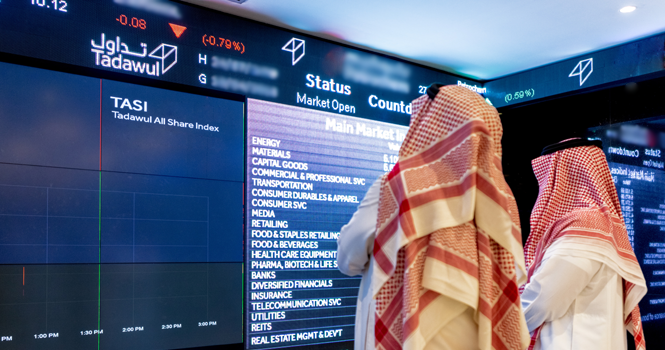
Four TASI-listed stocks fell to all-time lows on June 7, signaling breadth deterioration. Traders should monitor sector concentration and volume to determine if the weakness is systemic or isolated.
Continue with
Four TASI-listed companies fell to their all-time lows on June 7, a single-session breadth event that warrants attention beyond the headline. When multiple names hit new lows on the same day, the cause is rarely company-specific. It points to a broader shift in capital allocation, liquidity withdrawal, or sector rotation inside the Saudi equity market.
The event itself is sparse on detail – no company names, sector tags, or percentage moves were disclosed in the initial report. That lack of specificity is itself a signal. Without named issuers, the market cannot price a stock-specific catalyst. The read-through becomes purely structural: something in the TASI environment is pushing marginal sellers to exit positions at any price.
What All-Time Lows Reveal About Market Breadth
A single all-time low is noise. Four in one session is a breadth deterioration. The mechanism works through the order book: when multiple stocks break below their prior lows, stop-loss orders cluster at those levels. Once triggered, the selling accelerates as market makers widen spreads and reduce quote sizes. The result is a cascade that can pull down correlated names even if their fundamentals are intact.
For TASI traders, the immediate question is whether the four stocks share a common sector exposure. If they cluster in real estate, banking, petrochemicals, or consumer goods, the signal becomes a sector-level warning. If they are spread across unrelated industries, the cause is more likely macro – a shift in foreign portfolio flows, a spike in Saudi interbank rates, or a repricing of sovereign risk.
The source does not specify the sectors. That means the first actionable step is to pull the list from the exchange data feed and map the sector tags. Without that, any trade decision is guesswork.
Why This Matters Now for TASI Positioning
The timing – June 7 – places this event in the context of mid-year portfolio rebalancing. Institutional investors often trim underperformers ahead of quarterly reporting windows. If the four stocks are small-cap or low-liquidity names, the all-time lows could reflect forced selling by funds that need to meet redemption requests or rebalance into larger positions.