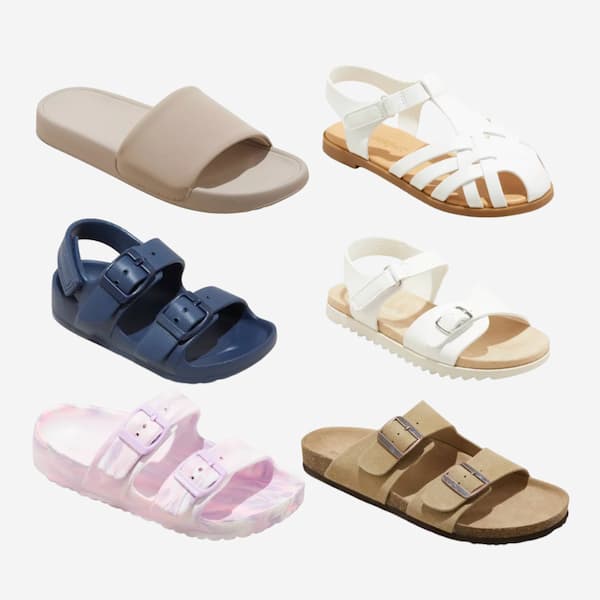
Target launched a 30% off promotion on sandals across the family, with flip flops priced at $3.50 and sandals starting at $7. The offer includes free in-store pickup, a detail that changes the economics of the deal. For investors watching Target (TGT), this seasonal clearance carries signals about inventory management, pricing power, and traffic strategy.
Why the Deep Discount Matters for TGT
A 30% markdown on a discretionary category like sandals is not unusual for late summer clearance. The timing, however, creates a specific read-through. If this reflects deliberate inventory pruning ahead of back-to-school shelf resets, it is a clean operational signal. If it reflects slower sell-through rates earlier in the season, it becomes a margin concern. The free in-store pickup option is the more important detail. It shifts online price sensitivity into physical foot traffic, where Target historically captures higher basket sizes. The promotion effectively bids for a store visit rather than a pure margin concession.
The $3.50 Flip Flop Margin Math
Selling flip flops at $3.50 after a 30% discount implies a wholesale cost below $5. At those levels, gross margin per unit is thin. The metric that matters is contribution margin after factoring in the add-on purchase rate from in-store pickup. Target is gambling that the low price point drives enough incremental traffic to offset the per-unit margin drag. The risk is that the discount trains customers to wait for clearance rather than buy at full price. That dynamic eats into future same-store sales comparisons and pressures pricing power.
What Confirms or Weakens the Signal
Two data points will clarify whether this promotion is tactical or a warning sign. The first is Target's monthly traffic data. A successful promotion will show up as increased foot traffic with a stable average ticket. The second is gross margin on the Q2 earnings call. If management discusses margin pressure in seasonal categories, the discount was likely deeper than planned. If they highlight inventory turns and traffic gains, the promotion was disciplined. Competitors like Walmart and Amazon often match seasonal discounts. Any pricing response from them would validate the clearance thesis.
Next Decision Point
Target reports second-quarter earnings in mid-August. The call will include commentary on inventory turnover rates and category performance. For now, the sandal promotion is a tactical move tied to seasonality, not a strategic shift. Watch whether the discount reflects broader inventory normalization across softlines or isolated category weakness. The free in-store pickup angle makes this a traffic play first and a margin concession second. That distinction matters for the stock in the next earnings cycle.
For a broader framework on how seasonal promotions affect retail stocks, see our stock market analysis section.