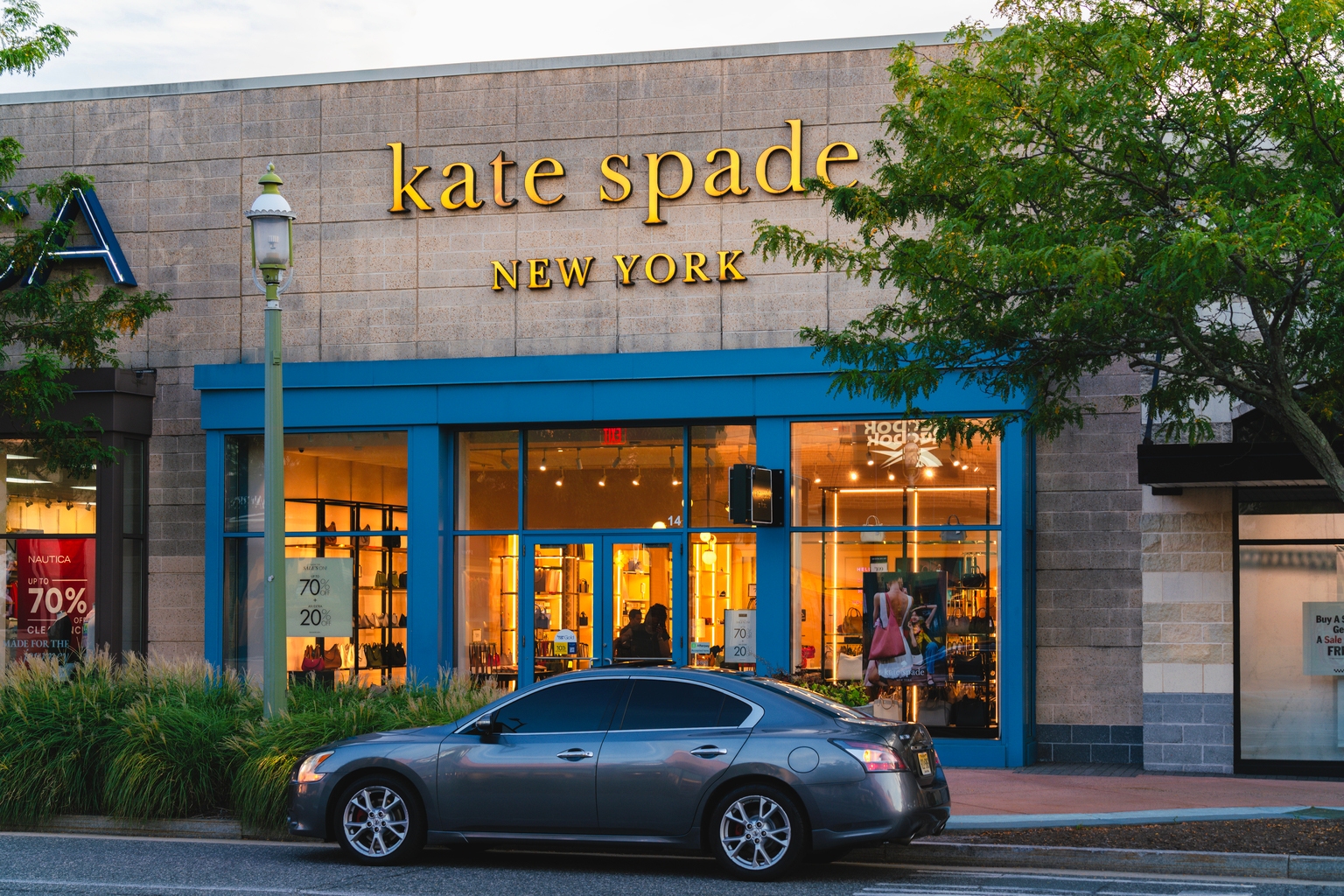
Tapestry (TPR) reported quarterly revenue up 23% year over year and earnings per share jumping 62%. The company raised its full-year outlook. Those numbers look like a clean beat that should support the stock. Revenue acceleration and margin expansion are the easy story. The luxury handbag and accessories segment has been resilient. Tapestry's portfolio of brands–Coach, Kate Spade, Stuart Weitzman–is gaining share in North America and parts of Asia.
The simple read is that Tapestry is executing well in a consumer environment where higher-income shoppers have not yet pulled back. The raised outlook reinforces management confidence in near-term demand. For a trader scanning quarter-end results, the immediate takeaway is positive momentum.
Tapestry's 23% Revenue Growth and the Raised Outlook
The better market read starts with Tapestry's sector classification. It sits in the Consumer Cyclical sector. Its Alpha Score 49/100 carries a Mixed label. That score reflects a company whose fundamentals are okay. They are not compelling enough to offset macro sensitivity. Luxury goods are discretionary. The 62% EPS jump came from a quarter that may represent peak margin if input costs or promotional pressure rise.
Consumer cyclical exposure means Tapestry's valuation depends on income growth and consumer confidence, not just brand strength. The raised outlook is a near-term catalyst. The forward risk is that higher interest rates and slower wage growth compress luxury spending. Tapestry's customer base is mid-to-upper income. That cohort tends to trade down before the broad consumer retrenches. If that group shifts spending to essentials or lower-priced alternatives, Tapestry's revenue growth could decelerate sharply from the 23% pace.
Another layer is inventory and promotion risk. Luxury brands have been running deeper discount events to clear seasonal stock. If Tapestry steps up markdowns, gross margin compresses. That would offset the operating leverage that drove this quarter's EPS jump. The raised outlook assumes no major discounting cycle. That bet could break if demand softens. Other luxury names like Coty are also testing premium pricing, making the Coty's Marc Jacobs Beauty Return a related read-through on consumer appetite for higher-end goods.
Consumer Cyclical Risk and the Full-Year Outlook
The raised outlook embeds an assumption that demand stays steady. Any shift in consumer confidence or spending patterns toward essentials would pressure Tapestry first. The mid-to-upper income customer is sensitive to economic signals. If that group reduces luxury purchases, revenue growth could decelerate rapidly from the 23% pace.
Inventory and promotion pressure is another risk. Luxury brands have run deeper discount events to move seasonal stock. If Tapestry increases markdowns, gross margin compresses. That offsets the operational leverage from the EPS beat. The raised outlook does not price in a major discounting cycle. That creates a vulnerability if demand softens.
The timeline for this risk is tied to the next quarterly report, due in about three months. That report will show whether same-store sales held up during the current quarter. Any commentary on China demand or North America traffic will be closely watched.
Confirmation Signals and Watchlist Markers
Confirmation would come from same-store sales growth outpacing revenue growth, indicating full-price selling. Another signal is management maintaining or raising guidance at the next call without relying on cost cuts. A stronger labor market report or a Fed pivot that lifts higher-income sentiment would also support the stock.
Weakening signals include a miss on North America comparable sales, rising inventory days, or any guidance trim that acknowledges macro pressure. Comments from peer luxury companies about slowing U.S. or China demand would hit Tapestry indirectly. The stock's relative performance versus the consumer discretionary ETF (XLY) is a real-time tell. If TPR underperforms while the sector holds, the issue is company-specific.
Tapestry is not a distressed name. The earnings beat and raised outlook are real positives. The Alpha Score's Mixed label and the sector backdrop argue for caution. The next concrete marker is the follow-up quarter. If the 23% revenue growth rate holds, skepticism fades. If it slips below 15%, the macro headwinds dominate.
For the watchlist decision, the question is whether the luxury consumer stays resilient into the second half. Tapestry's own numbers buy time. The risk-reward remains unclear until the next quarter confirms or weakens the demand picture.
TPR stock page and stock market analysis provide additional context.