Back to Markets
Commodities● Neutral

Tanker Freight Rates Decouple from Crude Oil Amid Geopolitical Risk

April 25, 2026 at 11:35 AMBy AlphaScalaEditorial standardsSource: cnbc.com
Tanker Freight Rates Decouple from Crude Oil Amid Geopolitical Risk
ASCOSTHASSPOTBWET

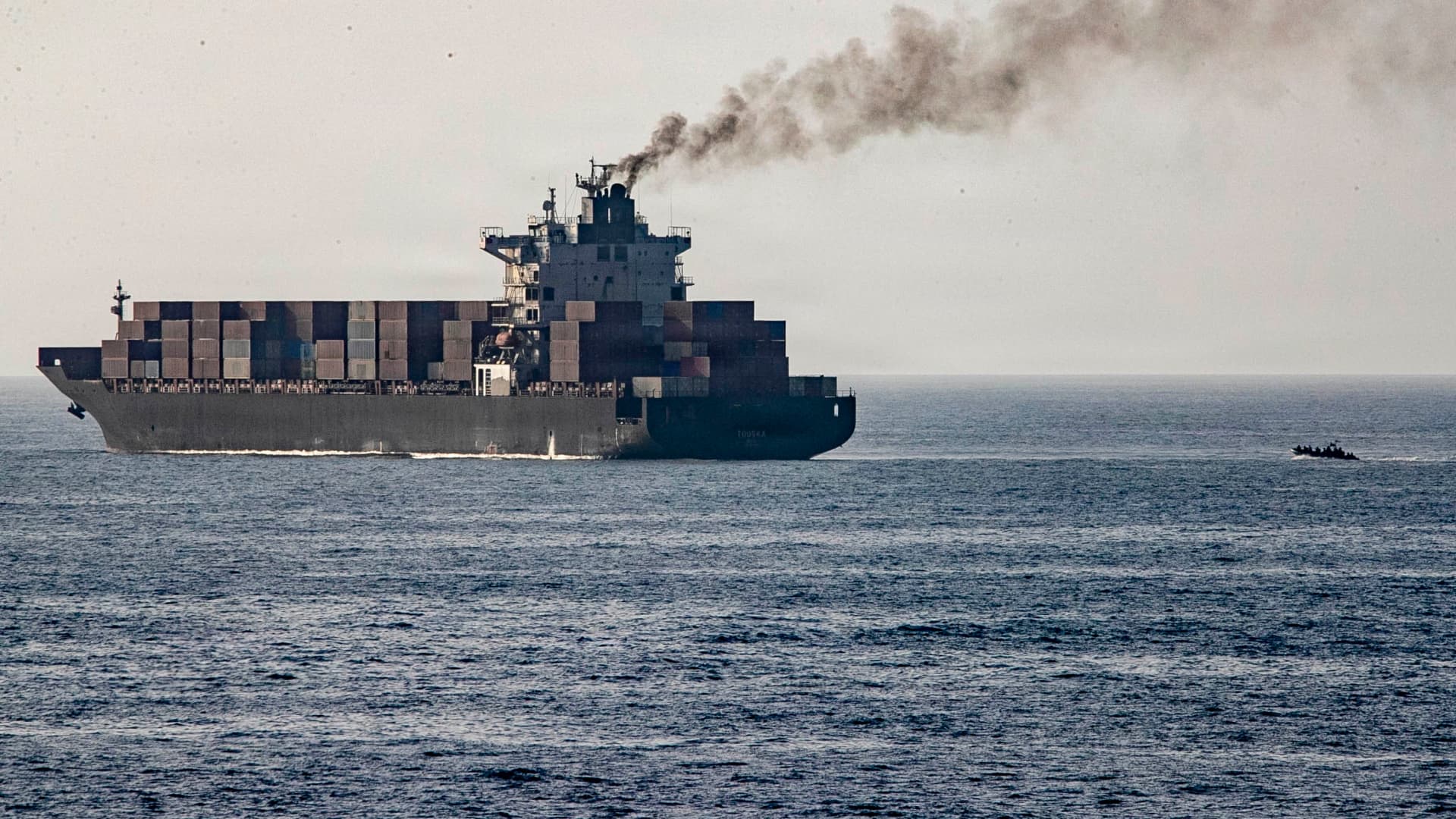
Tanker shipping assets are outperforming crude oil as geopolitical tensions force longer transit routes, creating a supply squeeze that drives freight rates higher.

AlphaScala Research Snapshot
Live stock context for companies directly referenced in this story
Consumer Cyclical
Alpha Score
47
Weak

Alpha Score of 47 reflects weak overall profile with moderate momentum, poor value, moderate quality. Based on 3 of 4 signals — score is capped at 90 until remaining data ingests.

Consumer Staples
Alpha Score
58
Moderate

Alpha Score of 58 reflects moderate overall profile with moderate momentum, moderate value, moderate quality, moderate sentiment.

Consumer Cyclical

HASBRO, INC. currently screens as unscored on AlphaScala's scoring model.

Communication Services
Alpha Score
47
Weak

Alpha Score of 47 reflects weak overall profile with weak momentum, weak value, strong quality, weak sentiment.

This panel uses AlphaScala-native stock data, separate from the source wire linked above.

The surge in the Breakwave Tanker Shipping ETF reflects a fundamental shift in how geopolitical friction impacts the energy supply chain. While crude oil prices often capture the immediate headlines during periods of regional instability, the cost of transporting that energy has become a more volatile and lucrative vector for market participants. The recent performance of tanker-focused assets highlights a divergence where the physical movement of energy is commanding a higher premium than the underlying commodity itself.

Supply Constraints and Transit Risk

The primary driver behind the appreciation in tanker shipping assets is the tightening of available vessel capacity. Geopolitical tensions in transit corridors force operators to reroute vessels, effectively removing capacity from the global fleet by increasing the duration of each voyage. When vessels spend more time at sea to avoid conflict zones, the effective supply of tankers available to load new cargo drops. This creates a supply squeeze that forces freight rates higher regardless of whether global oil demand is expanding or contracting.

Unlike energy producers that rely on the price of a barrel to drive margins, tanker operators benefit from the inefficiency of the logistics network. The longer the distance between supply and demand centers, the higher the revenue per vessel. This dynamic creates a distinct risk profile for shipping assets compared to traditional energy equities, which remain tethered to the spot price of crude and the operational costs of extraction.

Seasonality and Fleet Utilization

Shipping markets are inherently sensitive to seasonal shifts in energy consumption. As winter approaches in the Northern Hemisphere, the demand for heating oil and refined products typically necessitates a higher volume of tanker activity. When this seasonal demand spike coincides with restricted transit routes, the impact on freight rates is compounded. The current environment is characterized by a lack of new vessel deliveries, which limits the ability of the industry to absorb these shocks through fleet expansion.

Market participants are currently evaluating the following factors to gauge the sustainability of these freight rate premiums:

  • The duration of rerouting requirements for major tanker fleets.
  • The rate of vessel scrapping versus new build deliveries.
  • Changes in regional storage levels that dictate the urgency of maritime transport.

AlphaScala data currently reflects a mixed outlook for several technology and consumer names, including U stock page with an Alpha Score of 43/100, ON stock page at 45/100, and AS stock page at 47/100. While these sectors operate independently of maritime freight, the broader commodities analysis suggests that capital is increasingly rotating toward assets that benefit from supply chain bottlenecks.

The next concrete marker for this sector will be the release of updated fleet utilization reports and any policy shifts regarding maritime security in key transit chokepoints. These data points will determine if the current freight rate environment is a temporary reaction to localized risk or a structural shift in the cost of global energy logistics.

How this story was producedLast reviewed Apr 25, 2026

AI-drafted from named sources and checked against AlphaScala publishing rules before release. Direct quotes must match source text, low-information tables are removed, and thinner or higher-risk stories can be held for manual review.

Editorial Policy·Report a correction·Risk Disclaimer