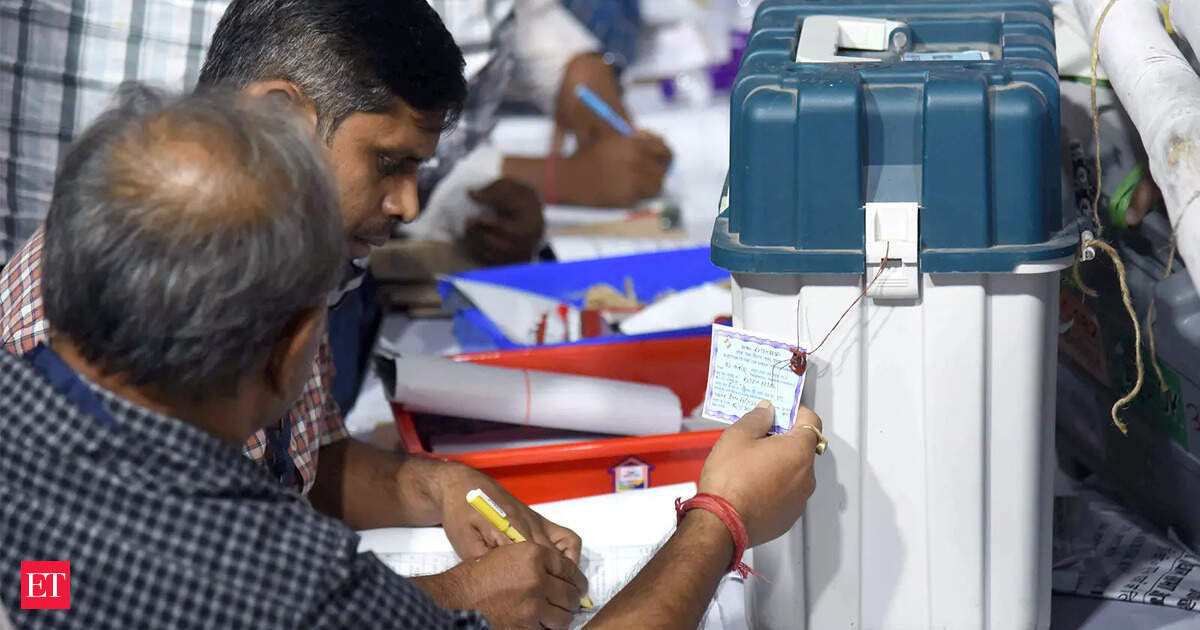
Tamil Nadu reached an 85.10 percent voter turnout for the 2026 Assembly elections. With 48 million votes cast, the May 4 counting date will set the policy.
The Election Commission of India has finalized the electoral roadmap for the 2026 Tamil Nadu Legislative Assembly General Elections, confirming a record-breaking participation rate. Official data shows an 85.10 percent voter turnout, marking a significant engagement level for the state. A primary driver of this participation was the demographic shift in polling stations, where women voters outnumbered men.
The high turnout reflects a broader trend in regional democratic engagement. With the finalization of the roadmap, the Election Commission has shifted focus to the logistics of the mandate processing. The state is now preparing for the secure handling of ballots representing over 48 million voters. This volume of participation requires precise coordination to ensure the integrity of the electoral process.
Market observers tracking regional stability and policy continuity are looking toward the final tally. The counting of votes is scheduled for May 4. This date serves as the primary catalyst for the next phase of governance in Tamil Nadu. The transition from the polling phase to the counting phase will determine the legislative direction for the upcoming term. Investors and stakeholders are monitoring the outcome for potential shifts in regional economic policy or infrastructure spending priorities. For broader context on how regional political shifts influence local economic conditions, see our stock market analysis.
Administrative arrangements are now finalized to manage the processing of the mandates. The Election Commission has emphasized the need for transparency throughout the counting process. The focus remains on the secure transmission of results from the 48 million individual mandates to the central tallying centers. The May 4 counting day will provide the definitive signal for the state's political trajectory.
AI-drafted from named sources and checked against AlphaScala publishing rules before release. Direct quotes must match source text, low-information tables are removed, and thinner or higher-risk stories can be held for manual review.