Stocks● Neutral
Talon Metals Closes Eagle Mine Acquisition, Shifts from Developer to Operator
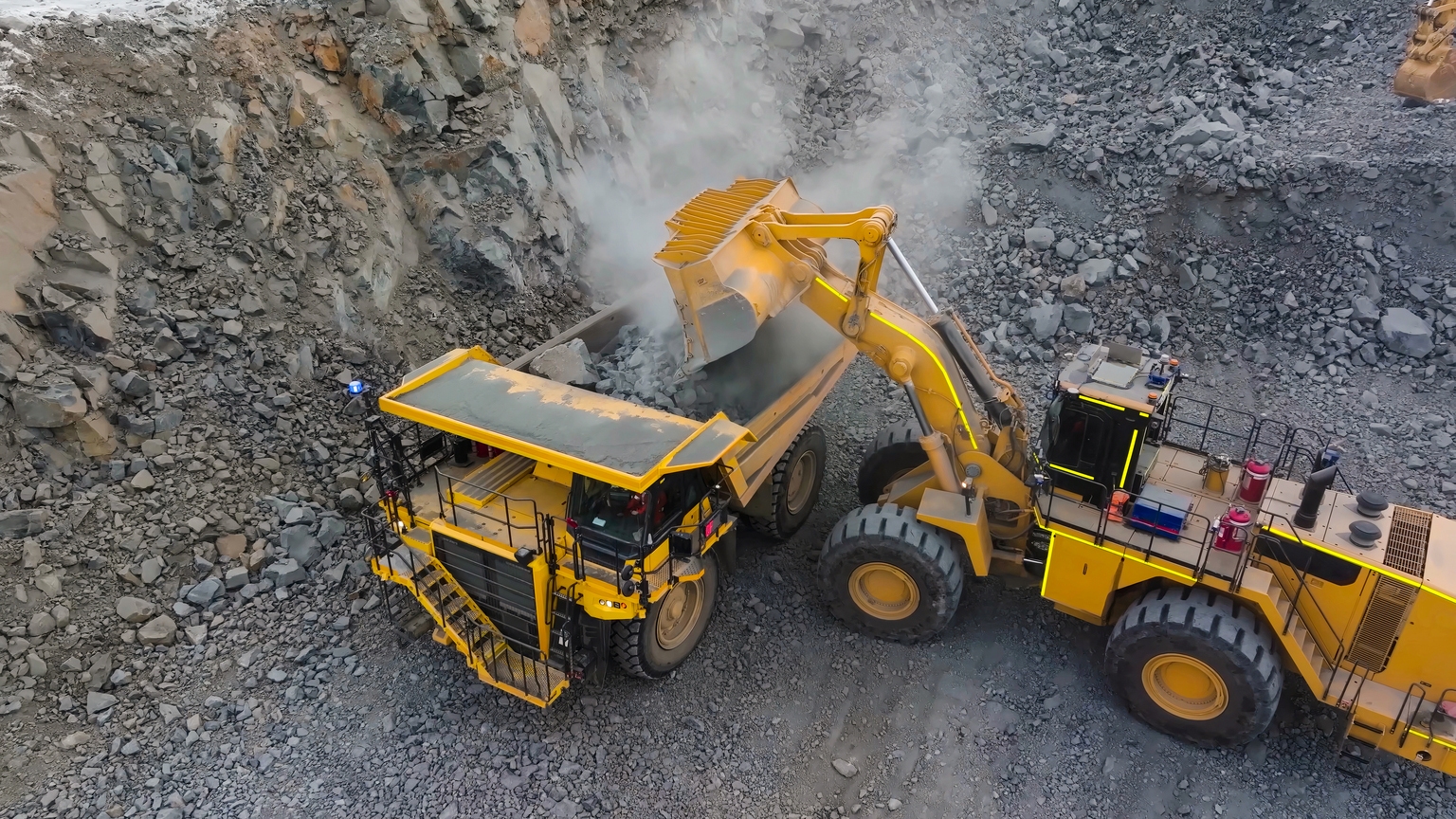
Talon Metals closed its Eagle mine acquisition, moving from developer to operator. The first operational report will test whether the market's developer-valuation discount was justified.
Continue with
Talon Metals closed its acquisition of the Eagle nickel-copper mine in Michigan. The deal moves the company from a development-stage explorer to an operating miner. That shift alters the risk profile and the valuation framework the market applies.
The Eagle mine has been in production before. Talon now takes over the operation, including its workforce, equipment, and environmental reclamation obligations. The immediate focus becomes running a producing mine rather than securing permits for a new one. For a stock the market had priced as a speculative development play, the transition represents a fundamental change.
Revenue will depend on realized nickel and copper prices. Those prices have been pressured by rising Indonesian nickel pig iron supply and a slowdown in electric vehicle adoption. Talon's operating leverage now cuts both ways. A decline in nickel prices directly reduces cash flow, unlike the development stage where the primary cost was exploration spending. Higher prices amplify returns.
Talon sells a nickel-copper concentrate. The pricing formula for that concentrate depends on smelter terms and treatment charges. These charges have been volatile in recent years as smelters adjust capacity. Talon's realized price per pound of nickel may differ from the LME spot price by a significant margin.
The acquisition also provides funding for the Tamarack project. Talon retains Tamarack, which still requires federal permitting. Cash flow from Eagle reduces the need for equity dilution to advance that permitting process. That is a structural advantage the market may not fully reflect in its current valuation.