The Catalyst: Source Rejects Pause Narrative for Taiwan Arms Sales
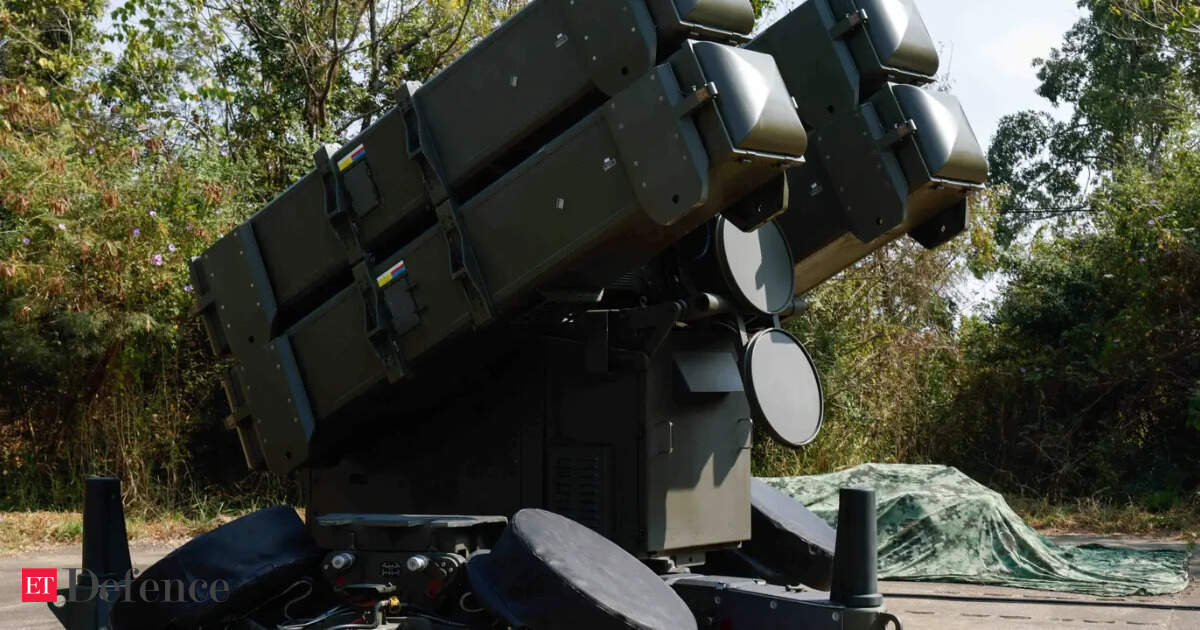
A U.S. official previously suggested a pause in some Taiwan-related weapons shipments because of munitions demands from the Iran conflict. A source familiar with the process now states that those sales take years to execute and are operationally separate from the Iran war. The U.S. military has ample supplies for both commitments, and U.S. policy toward Taiwan remains unchanged. Taiwan's government has received no information about a delay.
Why It Matters: Diverting Attention from Taiwan Defense Premium
The market had to weigh the risk that a prolonged Iran engagement would divert precision munitions and political attention away from Taiwan. Taiwan is a central node in the global semiconductor supply chain. Any signal that U.S. commitment to Taiwan defense is weakening would directly affect the valuation of Taiwan-listed equities and the risk premium on Taiwan Semiconductor Manufacturing Company (TSMC). The source removes that near-term ambiguity.
The Mechanism: Long Cycles and Separate Budgets
Arms sales to Taiwan proceed through multi-year Foreign Military Sales (FMS) cycles. They are funded through separate appropriations and are not fungible with operational munitions for an active conflict. The earlier suggestion of a pause may have reflected a misunderstanding of the procurement timeline rather than a policy shift.
For investors, the simple read was that the U.S. would prioritize Iran over Taiwan. The better market read recognizes that FMS agreements are structured over multiple budget years. A single conflict does not disrupt that cadence unless a deliberate political decision is made. No such decision has been communicated to Taipei.
Affected Assets: TSMC and U.S. Defense Contractors
For investors tracking Taiwan exposure, the key asset is Taiwan Semiconductor Manufacturing Company (TSM). The stock trades at a premium partly due to geopolitical risk. A delayed or canceled arms sale would have been taken as evidence that the U.S. deterrence posture is weakening, compressing the multiple. The source’s clarification supports the existing baseline: no shift in policy.
For U.S. defense contractors such as Lockheed Martin (LMT) and Raytheon Technologies (RTX), the arms sales represent a steady backlog stream. The Iran conflict may accelerate near-term orders for certain munitions; it does not slow Taiwan-related revenue. Those contractors depend on the long-cycle FMS pipeline, which is unaffected by short-term operational needs. Related reading: Rubio's India Visit Sets Stage for Defense, Energy Deals.
Next Decision Point: Tracking the Congressional Notification Calendar
The next concrete catalyst for this story is the formal notification of the arms sale package to Congress. That notification triggers a 30-day review period. Taiwan’s government has not received any signal that the timing has changed. If the notification arrives on schedule, the pause narrative loses its power as a risk factor. If it is delayed without explanation, the geopolitical premium will re-emerge.
For now, the source effectively removes the pause narrative. Investors should watch the Congressional notification calendar – not headlines about Iran munitions – to judge whether the Taiwan arms pipeline has actually shifted. stock market analysis continues to price a stable U.S. commitment to Taiwan, and this source supports that baseline.