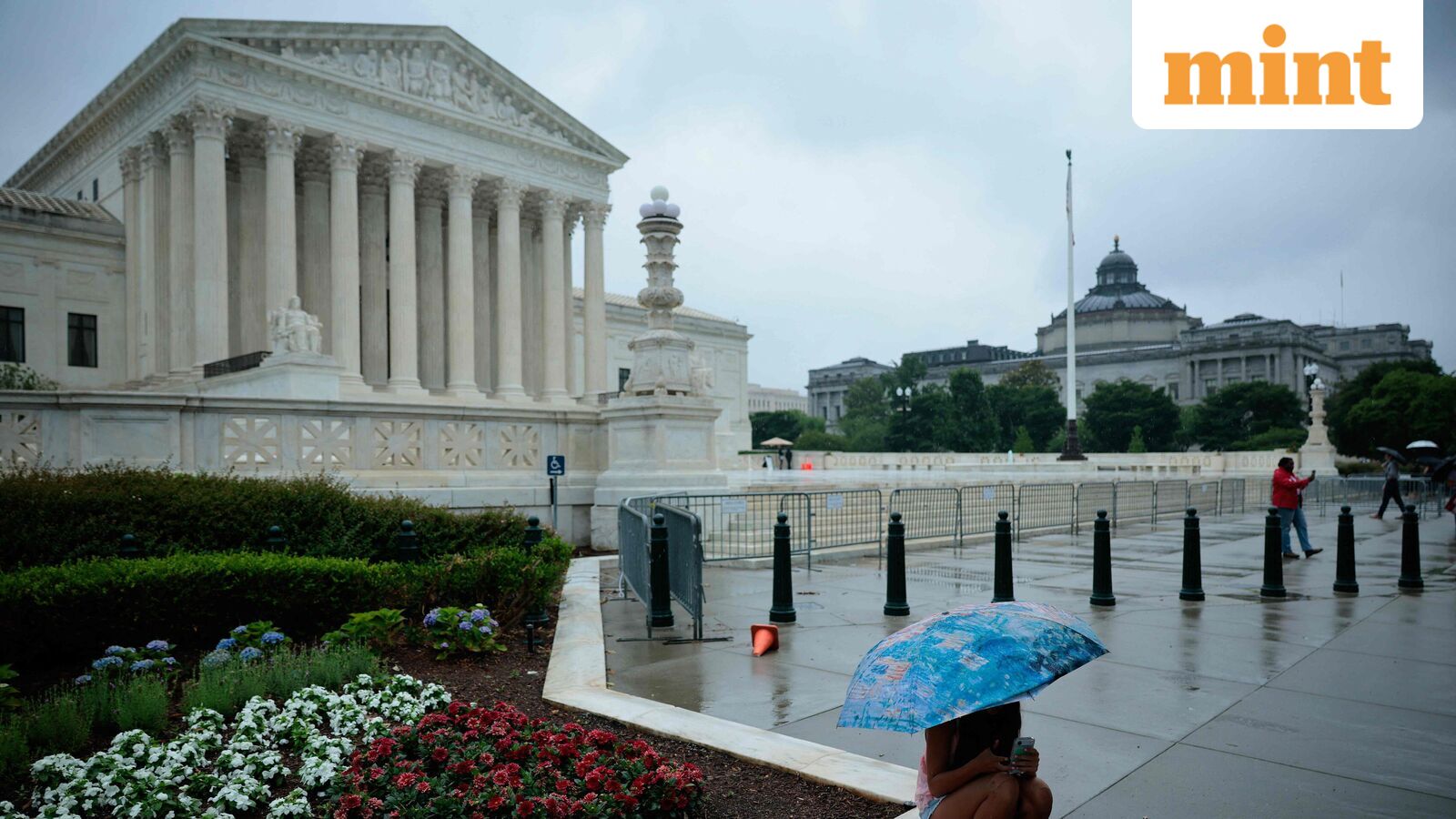
The Supreme Court ruled 6-3 that border officers do not need a conviction to place green card holders on immigration parole, expanding deportation authority.
The Supreme Court sided with the Trump administration Tuesday in a case that expands the government's power to detain and deport lawful permanent residents accused of crimes. The 6-3 ruling means border officers do not need a conviction to place a green card holder on immigration parole, a status that triggers deportation proceedings.
The case centers on Muk Choi Lau, a lawful permanent resident who returned from a short trip to China in 2012. A border officer placed him on immigration parole because he had been accused of selling counterfeit clothes in New Jersey. Lau argued the officer overstepped his authority, and that the decision allowed the Department of Homeland Security to begin deportation proceedings after he later pleaded guilty.
The high court disagreed. "Border officers did not have the burden to establish by clear and convincing evidence that Lau had committed a crime involving moral turpitude," Justice Clarence Thomas wrote in the majority opinion.
Justice Ketanji Brown Jackson dissented, joined by the court's two other liberal justices. She wrote that the decision to put Lau on immigration parole effectively sentenced him to "immigration limbo" before any conviction. "I worry that the Court has now handed the Government a massive blank check," she wrote.
The ruling arrives as the court weighs several other immigration cases tied to President Donald Trump's broader crackdown, though this case began before he took office. The administration argued that suspicion of a crime is sufficient to place a green card holder on immigration parole, and urged the court to take an expansive view of executive authority over immigration.
The court is also considering cases over Trump's push to end birthright citizenship, potentially revive a restrictive asylum policy, and end temporary legal protections for migrants fleeing war and natural disasters.
For green card holders, the decision lowers the bar for the government to begin removal proceedings. A lawful permanent resident can now be placed on immigration parole based on an accusation alone, without a conviction or clear evidence of a crime involving moral turpitude. The practical effect is that more green card holders accused of crimes will face deportation before their criminal cases are resolved.
Prepared with AlphaScala editorial tooling from the source reporting linked above. Indexable analysis may include a cited Alpha Score value. Publishing checks screen each story before release. Educational coverage, not personalized advice.