Stocks● Neutral
Supreme Court mandates elephant clinics, DNA profiling for captive elephants
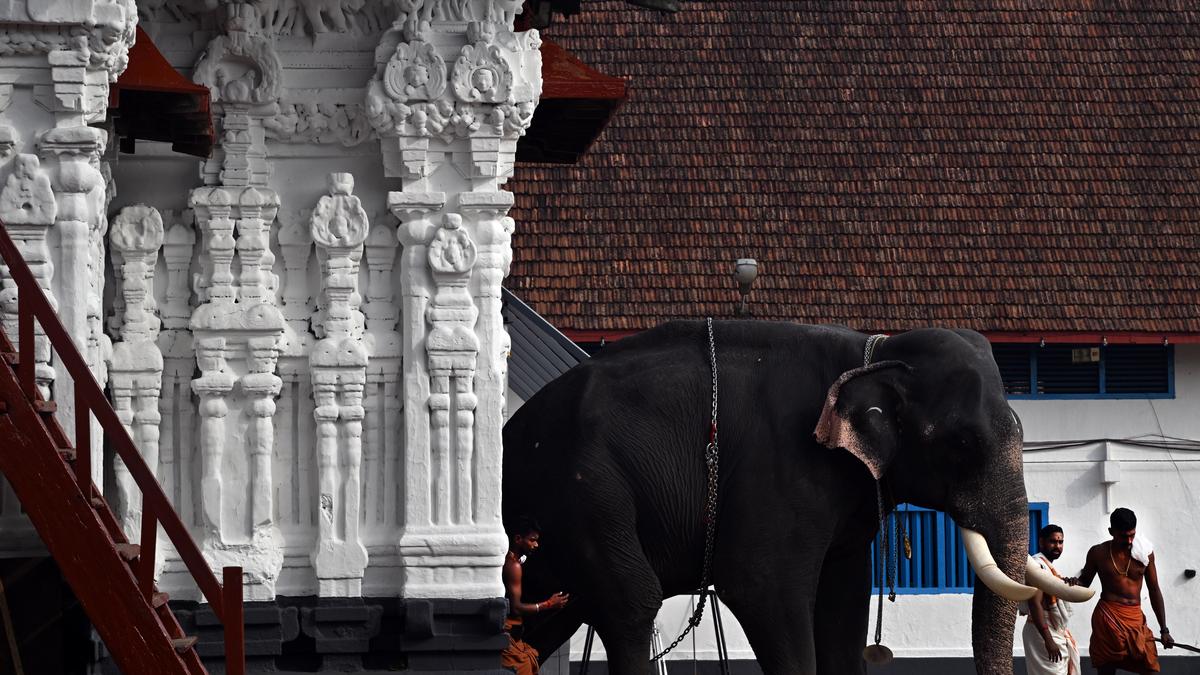
The Supreme Court ordered mandatory elephant clinics and DNA profiling for India's 2,725 captive elephants. Temple trusts, circuses, and private owners face new compliance costs.
Continue with
The Supreme Court on Tuesday ordered mandatory veterinary clinics and DNA profiling for India's captive elephants, affecting 2,725 animals across temples, circuses, and private facilities. The bench said it was not ruling on religious rights. The decision focused on animal welfare.
According to a February 2026 office memorandum from the Ministry of Environment, Forest and Climate Change, the number of captive elephants has risen to 2,725. Private individuals own 1,678. Temples own 96, circuses 47, forest departments 768, zoos 63, and rehabilitation centres 332.
The court directed the government to issue mandatory guidelines for establishing elephant clinics with specialised facilities. It also said each captive elephant must have a medical record and that owners must bring the animals for periodic check-ups. The Captive Elephants Healthcare and Welfare Committee (CEHWC) was told to set minimum standards for housing.
The court barred transport of elephants unless documented under the Captive Elephant (Transfer or Transport) Rules, 2024, with full details of the transfer and purpose.
Additional Solicitor General Aishwarya Bhati, representing the ministry, told the court that a new sampling kit would be distributed for DNA profiling. The data will be stored on the Gaj Suchna mobile application. The ministry also plans to publish a handbook on captive elephant management and issue guidelines on tusk trimming.
The court did not agree with the NGO's request to ban new captive elephants. Justice Joymalya Bagchi said abandoned calves are found regularly in the northeast and a blanket ban would be unwise.