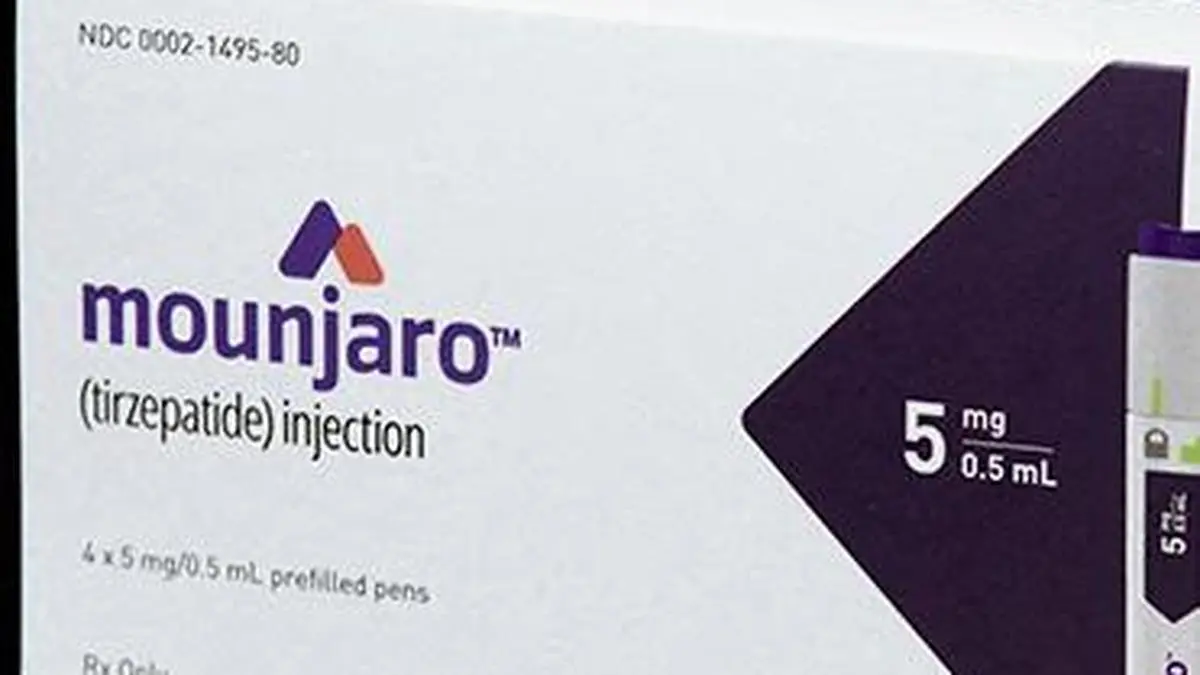
The discovery of a manufacturing and distribution network producing counterfeit Mounjaro injections in Gurugram has triggered a nationwide alert. This development highlights the vulnerability of high-demand pharmaceutical supply chains, particularly for blockbusters like tirzepatide that face persistent global shortages. The immediate focus for regulatory bodies is the containment of these illicit batches to prevent patient harm and mitigate broader market instability within the metabolic health sector.
Pharmaceutical Supply Chain Vulnerabilities
The illicit production of tirzepatide, a complex peptide-based medication, underscores the significant gap between legitimate manufacturing capacity and the surging demand for GLP-1 receptor agonists. When supply cannot meet clinical requirements, the resulting price premiums and scarcity create an environment where counterfeiters can infiltrate distribution channels. This incident serves as a stress test for current authentication protocols and tracking systems designed to ensure drug provenance.
For investors, the primary concern is the potential for regulatory tightening and the subsequent impact on operational costs for major pharmaceutical manufacturers. Increased scrutiny on distribution networks may lead to higher compliance burdens and a shift in how companies manage their cold-chain logistics. The following factors are now central to the sector outlook:
- The efficacy of current serialization and track-and-trace technologies in identifying non-authorized product.
- The potential for a temporary erosion in consumer confidence regarding the safety of injectable weight-loss medications.
- The speed at which authorities can isolate the affected batches and prevent further penetration into the retail pharmacy market.
Sector Impact and Market Transmission
While the immediate fallout is concentrated in regional distribution, the broader healthcare market remains sensitive to any disruption in the supply of high-growth therapeutics. Companies operating within the broader diagnostics and life sciences space, such as Agilent Technologies, Inc., often face indirect pressure when the integrity of the pharmaceutical supply chain is questioned. Agilent Technologies, Inc. currently holds an Alpha Score of 55/100, reflecting a moderate outlook within the healthcare sector as the industry navigates these evolving regulatory and operational challenges.
This event acts as a catalyst for a reassessment of how pharmaceutical firms manage their secondary market exposure. Investors should monitor for subsequent guidance updates from health regulators regarding enhanced verification requirements for injectable drugs. The next concrete marker will be the release of updated manufacturing compliance protocols or additional seizures that could indicate the scale of the counterfeit penetration. As the sector continues to expand, the ability of manufacturers to secure their supply chains will be as critical as the clinical efficacy of the drugs themselves. For further context on how structural shifts in manufacturing influence market dynamics, see our analysis on Bachem AG and the Structural Shift in Peptide Manufacturing.